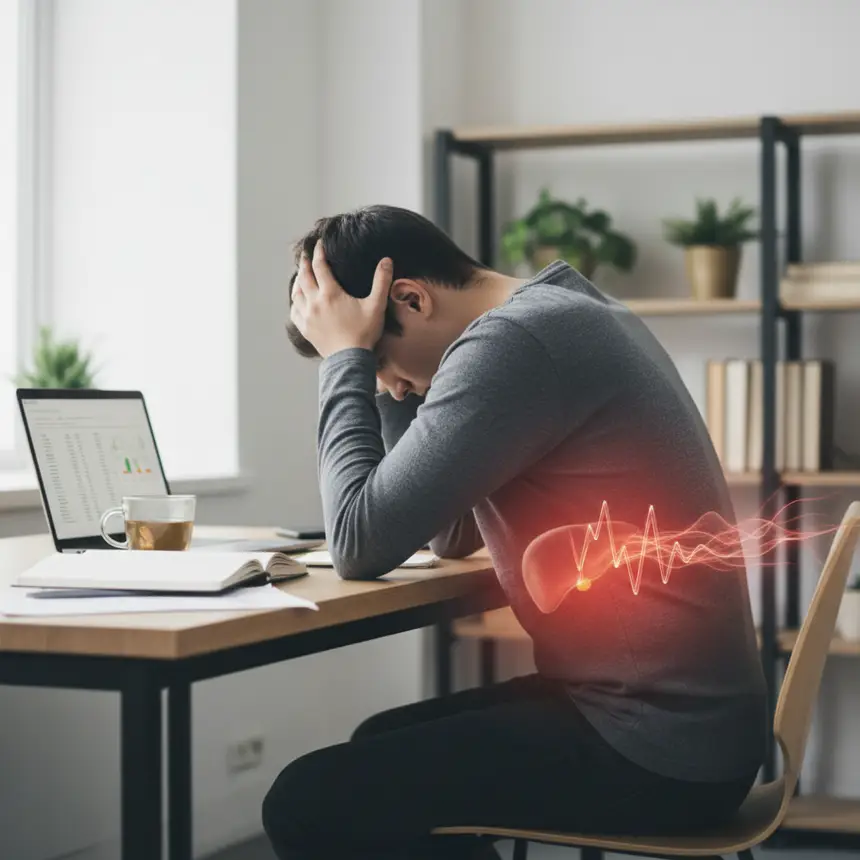
Often called a silent threat, hypertension can be effectively managed with proper understanding and lifestyle adjustments. Discover essential information and practical strategies for maintaining healthy blood pressure, taking the first step towards preventing cardiovascular disease.

The Silent Threat: Understanding the Critical Importance of Blood Pressure Health
Our body's blood pressure, much like a quiet river, can suddenly transform into a raging torrent. Many of us tend to dismiss blood pressure readings, perhaps hearing a casual "your blood pressure is a bit high" during an annual check-up and thinking little of it. However, these seemingly minor fluctuations hold significant, often overlooked, implications. Particularly, hypertension, frequently termed the 'silent killer' due to its lack of early symptoms, can lead to severe issues throughout our cardiovascular system over time. It's not just about a high number; it places a continuous strain on our most vital organs—the heart, brain, and kidneys—gradually impairing their function. Even amidst a healthy-seeming daily routine, hypertension subtly casts its shadow, potentially culminating in serious complications like stroke or myocardial infarction. Therefore, it is paramount that we now pay close attention to our blood pressure health and genuinely comprehend its critical importance.
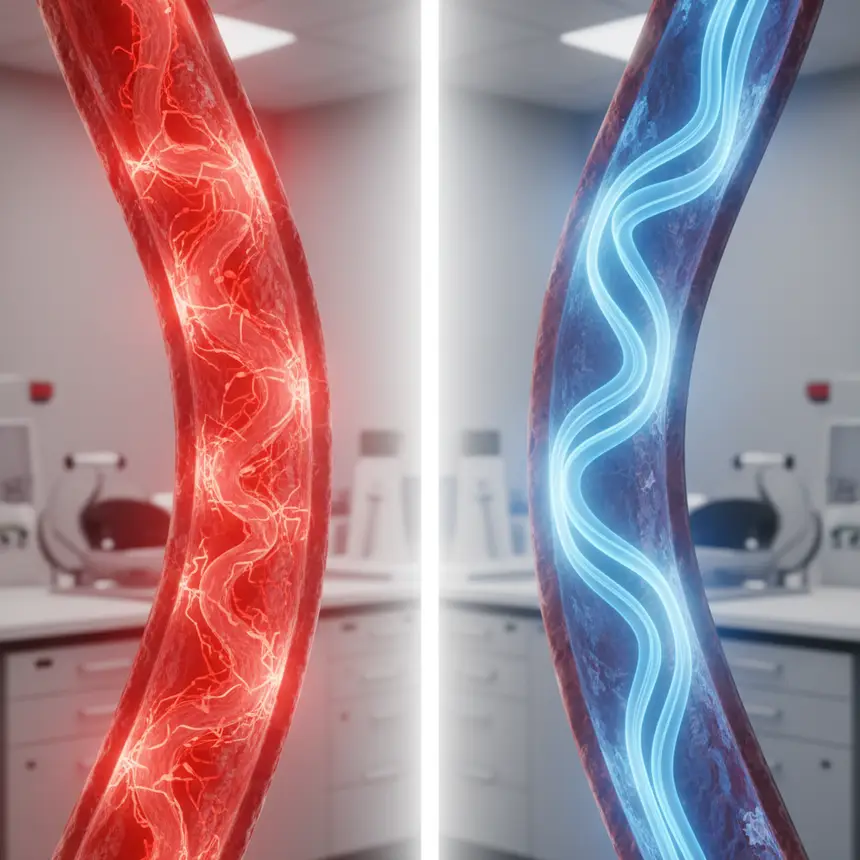
Hypertension's Impact on the Body and the Path to Smart Management
Hypertension isn't merely a figure displayed on a blood pressure monitor; it signifies a state where the pressure exerted by blood against artery walls remains consistently elevated. This condition arises from a complex interplay of various factors, including genetic predisposition, age, dietary habits, insufficient physical activity, stress, and excess weight. Sustained high blood pressure inflicts excessive force on all blood vessels, causing damage and stiffening their walls. This process can lead to atherosclerosis, a primary contributor to life-threatening conditions such as heart attacks and strokes. It can also cause widespread systemic effects, including kidney dysfunction and vision impairment. To effectively manage hypertension, the initial and crucial step is to accurately understand your own condition. Beyond regular blood pressure monitoring, it's essential to craft a personalized management plan that comprehensively considers your individual lifestyle and overall health status. For instance, before altering your diet or embarking on a new exercise regimen, consulting a healthcare professional to determine the most suitable approach for you is advisable. Hypertension demands ongoing attention and consistent effort, as it is not an issue resolved quickly.
※ This post contains affiliate links. I may earn a commission at no extra cost to you.


Practical Strategies for Daily Blood Pressure Wellness
Achieving healthy blood pressure is an accumulation of small, consistent changes in our daily lives. Firstly, dietary control is central to hypertension management. It's beneficial to reduce sodium intake and consume plenty of potassium-rich vegetables and fruits. A balanced diet incorporating whole grains, low-fat dairy products, and lean meats significantly helps maintain stable blood pressure. For example, opting for fresh ingredients over processed foods and using herbs or spices to flavor dishes instead of adding salt directly are excellent habits to cultivate. Secondly, regular physical activity is indispensable for lowering blood pressure and enhancing cardiovascular health. Aim for consistent aerobic exercises like walking, jogging, or swimming for at least 30 minutes daily. Thirdly, stress management is an undeniable component of modern blood pressure health. Finding effective ways to relieve stress through meditation, yoga, or engaging in hobbies is crucial. Lastly, consistent blood pressure monitoring is essential for understanding your health status and taking appropriate action. Make it a habit to regularly record readings using a home blood pressure monitor, and consult a professional if you notice any significant changes. Proactively managing your blood pressure through these daily efforts is the most reliable investment in your long-term cardiovascular well-being.
Frequently Asked Questions
Q. Can someone have hypertension without experiencing noticeable symptoms?
A. Yes, hypertension is often called the 'silent killer' because it frequently presents without distinct symptoms in its early stages. While headaches or dizziness might occur, these aren't always directly linked to high blood pressure, making regular medical check-ups crucial for diagnosis.
Q. Are lifestyle modifications truly effective in managing blood pressure?
A. In many cases, lifestyle adjustments are highly effective for blood pressure management. Consistent exercise, a healthy diet, weight management, and stress reduction significantly contribute to lowering blood pressure. Sometimes, these efforts alone can help maintain blood pressure within a healthy range.
Q. What should I keep in mind when checking my blood pressure at home?
A. For accurate home blood pressure readings, it's important to rest comfortably for about five minutes before measuring. Avoid caffeine and smoking prior to measurement, and try to measure at the same time each day, recording your results. Using the correct cuff size is also essential.
Q. What specific dietary guidelines are beneficial for managing hypertension?
A. It's recommended to reduce sodium intake and increase consumption of potassium and fiber-rich foods. Focus on a diet rich in vegetables, fruits, whole grains, low-fat dairy, and lean proteins, while limiting processed foods and those high in saturated fats.