Explore the crucial role of trace mineral silicon (silica) in maintaining healthy skin, hair, nails, and bones. Understand modern dietary challenges, silicon's benefits, and practical ways to integrate it into your daily routine.

Trace Minerals: The Unsung Heroes of Our Health
When we talk about nutrition, the spotlight often falls on macronutrients like proteins, carbs, and fats, or even on major vitamins. Yet, there’s a quiet force working behind the scenes, upholding the intricate balance and function of our bodies: trace minerals. Though present in small amounts, their impact is anything but minor. Among these, silicon (often referred to as silica in its natural compound form) is emerging as a particularly vital player. It’s fundamental for the health of our connective tissues—think skin, hair, nails, and bones. Much like the foundational components that enable cutting-edge technology, these subtle elements are the unsung heroes of our physical well-being. Dive in to explore the significance of silicon and expand your knowledge for better health.
The Shadow of Trace Mineral Deficiency in Modern Life
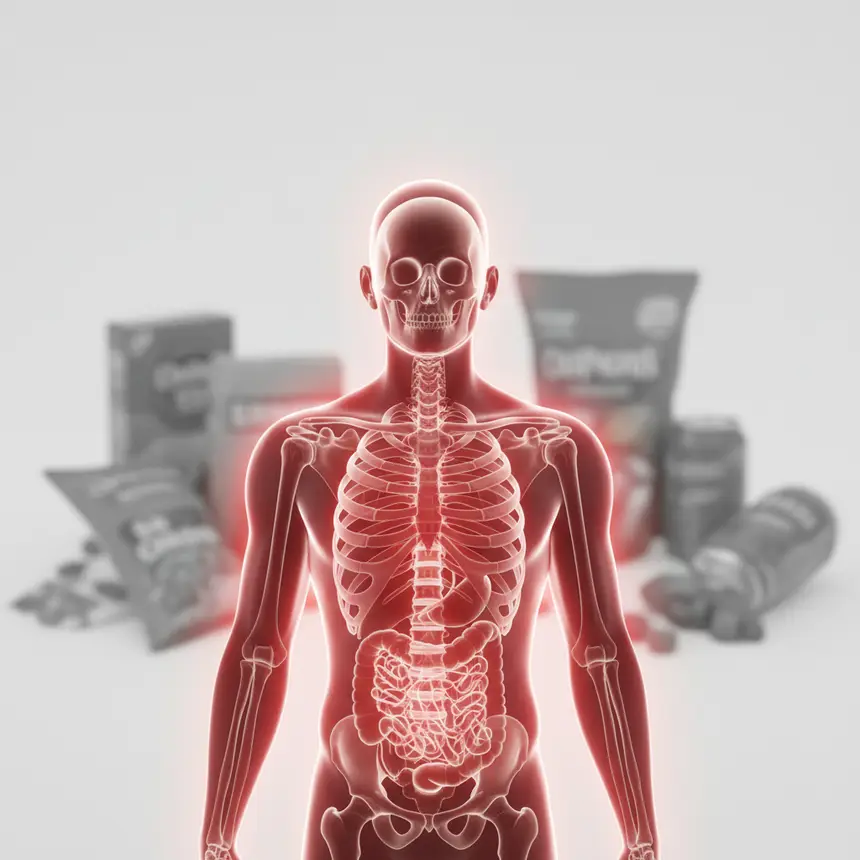
Our contemporary food landscape, dominated by processed options, means our trace mineral intake has significantly decreased compared to previous generations. Compounding this, nutrient depletion in agricultural soils further reduces the mineral content in the fresh produce we consume. This environment sets the stage for deficiencies in essential trace minerals like silicon, which can manifest in various ways. For instance, research suggests individuals with lower silicon intake might experience a reduction in skin elasticity at roughly twice the rate of those with adequate levels. Common signs also include weakened hair and brittle nails. This decline is intrinsically linked to our body's ability to produce collagen effectively. Just as a high-performance engine struggles without the right quality fuel, our bodies cannot operate at their peak without sufficient essential trace minerals. It's time to re-evaluate your diet and consider ways to boost your mineral intake.
※ This post contains affiliate links. I may earn a commission at no extra cost to you.


The Wisdom of Silicon Intake for a Healthy Body
Addressing trace mineral deficiencies, including silicon, begins with a thoughtful and balanced diet. Silicon is particularly abundant in whole grains like oats and barley, specific vegetables such as cucumbers and bell peppers, sea vegetables (think kelp and seaweed), and certain herbs like horsetail. Consistently incorporating these foods into your meals is paramount. Furthermore, silicon acts as a crucial co-factor, aiding the synthesis of vital proteins like collagen and elastin within our bodies. Picture it as the essential building material required to erect the framework of a skyscraper. Beyond this, when consumed alongside other trace minerals like magnesium and zinc, silicon can create synergistic effects, bolstering bone density and enhancing immune function. For example, while silicon contributes to the flexibility and strength of bones, calcium and magnesium provide the primary structural mass, working in concert to foster robust skeletal health. Enhance your well-being by adding these silicon-rich foods to your daily diet.

Making Silicon Intake a Daily Habit
Establishing a daily routine to ensure sufficient intake of trace mineral silicon is simpler than you might imagine. Consider adding oatmeal or whole barley cereal to your breakfast each morning, and integrate salads featuring cucumbers or bell peppers into your lunch and dinner. Vegetables that can be eaten with their skins on often contain more silicon, so thoroughly washing and consuming them unpeeled is a great strategy. Even your choice of drinking water can make a small difference; opting for mineral-rich spring water can contribute. Silicon naturally exists in various forms, and consuming it in a bioavailable form that the body can readily absorb is key. For example, certain plant-derived silicon supplements are formulated to provide a highly absorbable source, which can be beneficial for filling nutritional gaps in a busy modern lifestyle. Some studies indicate that specific plant-based silicon formulations exhibit absorption rates approximately 1.5 times higher than conventional forms. Make consistent practice a priority to increase your silicon intake.

Towards a Vibrant Life with Silicon
Trace mineral silicon isn't just about quick fixes; it's a vital partner in sustaining our body's vitality and health over the long term. Much like an innovative material forms the backbone of future technology, silicon is indispensable for building a resilient foundation within us. By consistently maintaining a diet rich in silicon and considering supplementation when necessary, you can anticipate positive transformations over time—from improved skin elasticity and enhanced hair strength to better-maintained bone health. This isn't merely about superficial aesthetics; it's about fostering genuine health and vigor from the inside out. Embrace the power of trace mineral silicon today, and let these small changes in your habits pave the way for a healthier, more vibrant life. Your investment in a healthy future starts today.
Frequently Asked Questions
Q. Which foods are highest in silicon?
A. Silicon is abundant in whole grains like oats and barley, vegetables such as cucumbers, bell peppers, green beans, and spinach, as well as sea vegetables. A diverse diet is crucial.
Q. Are there any precautions when taking silicon supplements?
A. Supplements are intended to complement your diet. It's important to consult with a healthcare professional before starting any supplement, especially if you have existing health conditions or are on medication, and to adhere to recommended dosages.
Q. Does silicon directly create collagen?
A. While silicon doesn't directly create collagen, it plays a vital co-enzymatic role in stabilizing and synthesizing collagen and elastin. This contribution is essential for maintaining healthy connective tissues.
Q. What are common signs of silicon deficiency?
A. Silicon deficiency typically manifests through symptoms related to connective tissues, including decreased skin elasticity, brittle hair and hair loss, fragile nails, and reduced bone mineral density.
Q. Is silicon intake important for children?
A. Yes, trace minerals including silicon are important for children's growth and development. The best approach is to ensure they consume a balanced diet rich in various nutrients.