Don't overlook the subtle signs of rising cholesterol. Discover actionable lifestyle habits to protect your vascular health and embark on a journey toward a healthier you.

Are You Missing Your Body's Quiet Whispers?
Do you shrug off persistent fatigue, occasional chest discomfort, or a constant feeling of sluggishness as just 'stress' or 'getting older'? Imbalanced cholesterol levels often develop silently, without overt warning signs. If you've ever dismissed those numbers on your lab report, now's the time to tune into your body's subtle signals. Elevated cholesterol can create a 'traffic jam' in your blood vessels, hindering flow and potentially leading to various health issues. Today, let's explore 'hypercholesterolemia' – this silent threat – and how to manage it. Understanding that minor daily changes can be crucial indicators of your vascular health is key.
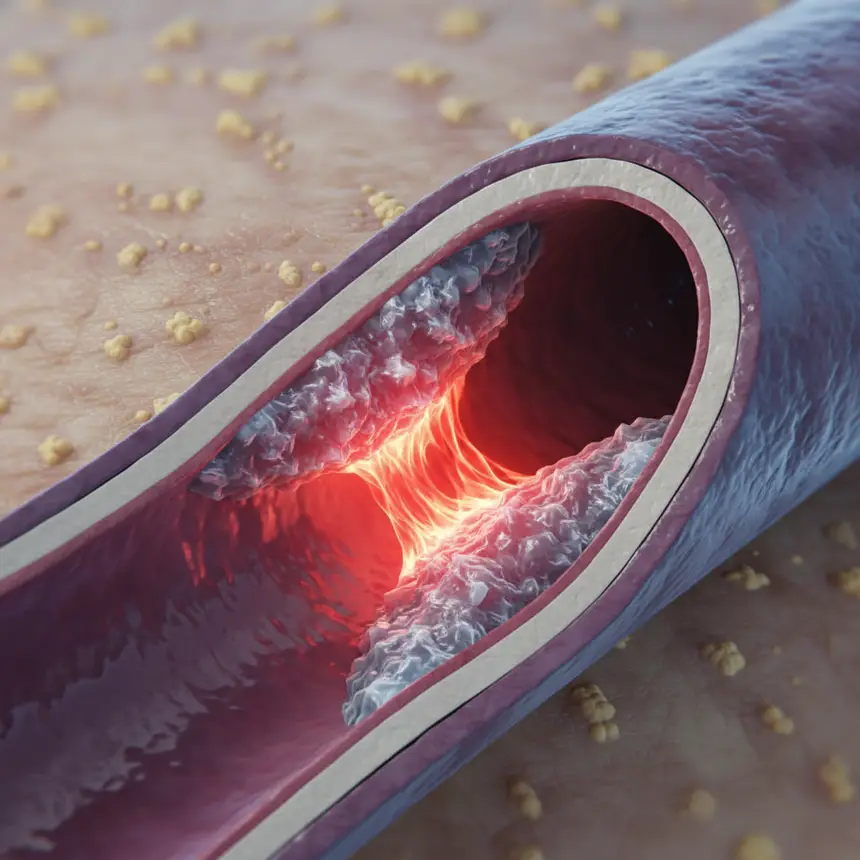
The Quiet Intruder: Unpacking Cholesterol Imbalances
Imbalanced cholesterol levels in your blood can be a silent force, often progressing without obvious symptoms, yet their impact is significant. Generally, total cholesterol above 240 mg/dL or LDL cholesterol exceeding 160 mg/dL warrant attention, with normal triglycerides below 150 mg/dL. More crucial than isolated numbers is a comprehensive cardiovascular risk assessment, considering age, blood pressure, smoking status, and HDL levels. Your body may send subtle signals: easy fatigue, cold extremities, unexplained chest tightness, joint discomfort, or yellowish deposits around eyelids/tendons. Reduced blood flow to the brain can even cause poor concentration. If there's a family history of early heart issues, especially with LDL over 190 mg/dL, careful management is essential. Early recognition and proactive response to these subtle changes are vital for vascular health.
※ This post contains affiliate links. I may earn a commission at no extra cost to you.

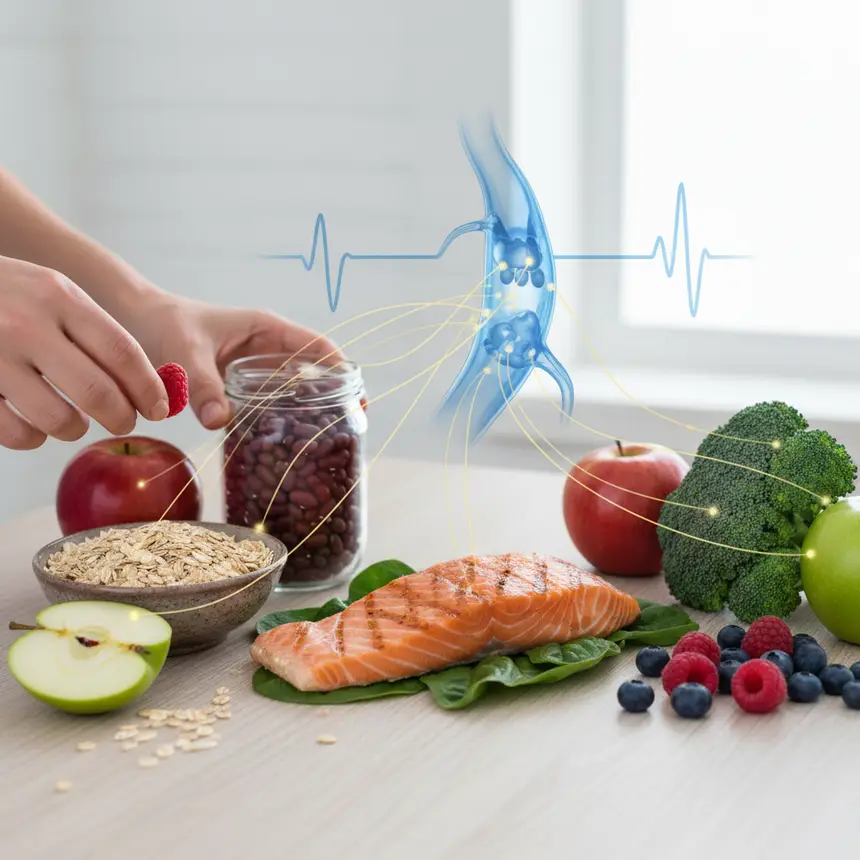
Smart Choices for Vascular Wellness: Diet, Exercise, and Support
Effective vascular health management starts with daily changes. First, diet is critical for cholesterol control. Soluble fiber-rich foods like oats, legumes, and vegetables help reduce cholesterol absorption. Omega-3 fatty acids, found in fatty fish, help lower triglycerides. Second, regular exercise is key. Aim for 30+ minutes of daily aerobic activity (walking, jogging) to boost 'good' HDL. Add strength training twice a week to reduce abdominal fat. Even a 5-10% weight reduction can significantly improve blood lipid levels. Third, antioxidant nutrients like Vitamins C, E, and Coenzyme Q10 may support blood vessel wall protection. Always combine nutrient intake with a balanced diet and professional consultation.

Your Daily Routine for Enduring Vascular Health
Managing cholesterol is about accumulating small habits for big changes. First, track your diet to reduce unhealthy fats and prioritize whole foods. Fill half your plate with vegetables and choose whole-grain cereals for breakfast. Second, boost daily activity. Take brisk 15-minute walks during lunch or use stairs instead of elevators. Third, prioritize sufficient sleep. Aim for 7-8 hours of quality rest daily at consistent times, as sleep deprivation affects fat metabolism. Finally, regularly monitor and record your cholesterol changes. Get check-ups every six months and adjust your plan based on results. Consistent attention and action build a strong foundation for healthy blood vessels.

Your Today Shapes a Healthier Tomorrow
Cholesterol management extends beyond just numbers; it's about enhancing your life quality and building a healthier future. Vascular health isn't gained or lost overnight; it's the sum of your daily dietary choices, habits, and mindset. If you're concerned about high cholesterol or want to proactively prepare for a healthier life, don't hesitate. Start by incorporating small, actionable steps from this article into your routine. Eating fiber-rich foods, moving your body daily, and getting enough rest—all these elements will strengthen your blood vessels and restore your vibrant energy. Our bodies thrive with the care we give them. Begin prioritizing your vascular health today for a brighter, healthier tomorrow.
Frequently Asked Questions
Q. When should I be particularly concerned about my cholesterol levels?
A. You should pay close attention if your total cholesterol is above 240 mg/dL or your LDL cholesterol is above 160 mg/dL. However, a comprehensive risk assessment, considering your age, blood pressure, smoking status, and HDL levels, is crucial. Triglyceride levels above 200 mg/dL may also indicate a metabolic imbalance.
Q. What foods can help manage cholesterol levels?
A. Foods rich in soluble fiber like oats, barley, legumes, apples, and various vegetables can help reduce cholesterol absorption. Additionally, fatty fish such as salmon and mackerel, rich in Omega-3 fatty acids, can contribute to lowering triglyceride levels.
Q. How does exercise help with cholesterol management?
A. At least 30 minutes of aerobic exercise daily can increase 'good' HDL cholesterol, while strength training twice a week helps reduce abdominal fat. Regular physical activity improves overall circulation and weight management, positively impacting cholesterol levels.
Q. Can nutritional supplements help in managing cholesterol?
A. Antioxidant nutrients like Vitamins C, E, and Coenzyme Q10 may support blood vessel health. However, supplements should complement a balanced diet and be taken after consulting a healthcare professional, considering your individual health status.
Q. How often should I check my cholesterol levels?
A. If you have abnormal cholesterol levels or are actively managing them, it's generally recommended to check and record your levels every six months. Regular check-ups help you understand your health status and adjust your lifestyle habits as needed.