Struggling with restless nights? Discover how the essential amino acid Tryptophan can enhance sleep quality. Learn practical sleep management routines you can implement daily for a more restful night and an energetic day.

The Restless Night: A Common Modern Challenge
Do you often find yourself staring at the ceiling when you should be sleeping? It’s a familiar scenario for many: you’re in bed, the lights are off, but your mind is racing with endless thoughts. Worries about tomorrow’s tasks, regrets from yesterday, or anxieties about the future can easily turn bedtime into a frustrating struggle. This often leads to reaching for your phone again, trapping you in a cycle of poor sleep. When this pattern continues, waking up doesn't feel refreshing; instead, you're left with a sluggish body and a day filled with low concentration and fatigue. Sleep is far more than just rest; it’s a crucial process for rejuvenating our mind and body. Recognizing the impact of sleep deprivation on overall well-being highlights the importance of finding effective sleep management strategies for a healthier life.
Unlocking Deeper Sleep: The Role of Tryptophan
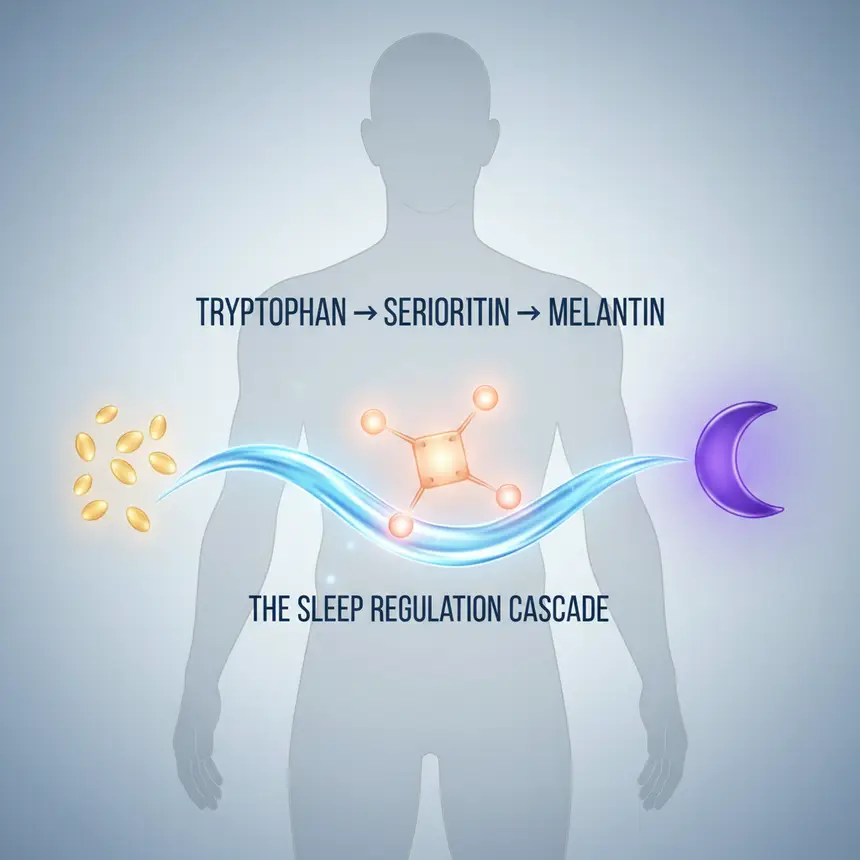
As concerns about sleep continue to grow, one key nutrient frequently highlighted by experts is 'tryptophan'. While the name might sound unfamiliar, tryptophan is one of the 'essential amino acids' that our bodies cannot produce on their own. This means it's vital to obtain it through our diet or supplementation. Tryptophan's deep connection to sleep management stems from its fundamental role in the body. It undergoes a conversion process in the brain, transforming into the neurotransmitter 'serotonin'. Serotonin is well-known for influencing our mood and feelings of well-being. As night approaches, this serotonin is then converted into a hormone called 'melatonin'. Melatonin plays a critical role in regulating our sleep-wake cycle, essentially maintaining our natural biological clock. Therefore, a sufficient supply of tryptophan is crucial for the optimal production of both serotonin and melatonin, which in turn can significantly contribute to a more comfortable and profound sleep experience. Focusing on adequate tryptophan intake is a smart move for effective sleep management.
※ This post contains affiliate links. I may earn a commission at no extra cost to you.


Beyond Diet: Exploring Tryptophan Supplementation for Sleep
Once you understand tryptophan's significance, the next step is to explore how to effectively incorporate it into your routine. The market offers a diverse array of products designed to supplement tryptophan and other sleep-supporting nutrients. Options range from traditional oral supplements like pills or capsules to oral sprays, and even transdermal methods where active compounds are absorbed directly through the skin. Transdermal delivery systems, in particular, are engineered to release ingredients slowly and steadily into the body, which can help maintain a sense of calm throughout the night. These supplements often include other botanical extracts or specific ingredient blends known to support sleep, in addition to tryptophan. Examples include herbal components like valerian root extract or certain combinations of compounds that have been linked in research to alpha wave activity, which is associated with relaxation. The key is to select a form and composition that aligns with your individual needs and to consult with a healthcare professional to ensure you're making an informed choice.

Crafting Your Personal Sleep Sanctuary: Practical Steps
Improving sleep quality requires more than just nutrient supplementation; it necessitates essential lifestyle adjustments. Here are a few simple sleep routines you can adopt daily, alongside considering tryptophan intake:
- Maintain a Consistent Sleep Schedule: Sticking to similar bedtimes and wake-up times, even on weekends, greatly helps stabilize your body's natural circadian rhythm.
- Limit Evening Electronic Device Use: The blue light emitted from smartphones, tablets, and computers can suppress melatonin production, interfering with sleep. Aim to stop using these devices at least an hour before bed.
- Create a Comfortable Bedroom Environment: Your bedroom should be dark, quiet, and cool. Consider using blackout curtains or earplugs if necessary.
- Incorporate Gentle Stretching or Meditation: A 10-15 minute session of light stretching, deep breathing exercises, or meditation before bed can help relax your body and mind, preparing you for sleep.
- Reduce Evening Caffeine and Alcohol Intake: Caffeine and alcohol are well-known disruptors of sleep. It’s best to avoid consuming them, especially several hours before bedtime.

Embrace Serene Nights: A Gentle Push Towards Better Sleep
Sleep deprivation is more than just feeling tired; it's a primary factor diminishing our vitality and productivity. As restless nights accumulate, we can become increasingly listless and even irritable. But don’t despair. The effort you put into improving your sleep quality is never wasted. I hope this article has helped you understand the significant role an essential nutrient like tryptophan plays in regulating our body’s sleep rhythm. As a first step towards better sleep, maintain a regular schedule and create your own calming pre-sleep routine to wind down. If appropriate, consider a tryptophan-containing supplement to help encourage natural sleep. When small lifestyle changes are combined with proper nutritional support, you too can look forward to falling asleep comfortably every night and waking up to a refreshed morning. Here's to your journey toward healthier sleep!
Frequently Asked Questions
Q. What foods are rich in tryptophan?
A. Tryptophan is abundant in protein-rich foods. For example, milk, cheese, chicken, turkey, nuts, seeds, legumes, and bananas are all good sources, allowing you to increase your intake through your regular diet.
Q. When is the best time to take tryptophan supplements?
A. When taking tryptophan supplements to aid sleep, it's generally recommended to take them about 30 minutes to an hour before bedtime. Always check and follow the specific dosage and timing instructions on the product label.
Q. Is it safe to use tryptophan supplements long-term?
A. Taking tryptophan within general recommended dosages is usually safe. However, for any nutritional supplement, especially when considering long-term use, it's safest to consult with a healthcare professional, taking into account your individual health status and any other medications you may be taking.
Q. Besides tryptophan, what other nutrients can help with sleep?
A. Magnesium, melatonin, and Vitamin B6 are some of the key nutrients that can help improve sleep quality. These components can sometimes work synergistically with tryptophan.
Q. What is the most important aspect when starting a sleep management routine?
A. Consistency is paramount. Rather than trying to change everything at once, it's more effective for long-term sleep improvement to start with small changes, gradually build a routine that suits you, and stick with it consistently.