High blood pressure during pregnancy and preeclampsia can impact maternal and fetal health. Learn to recognize warning signs, and discover proactive management strategies for a healthier pregnancy journey.

Unexpected Changes: Why Managing Blood Pressure in Pregnancy is Crucial
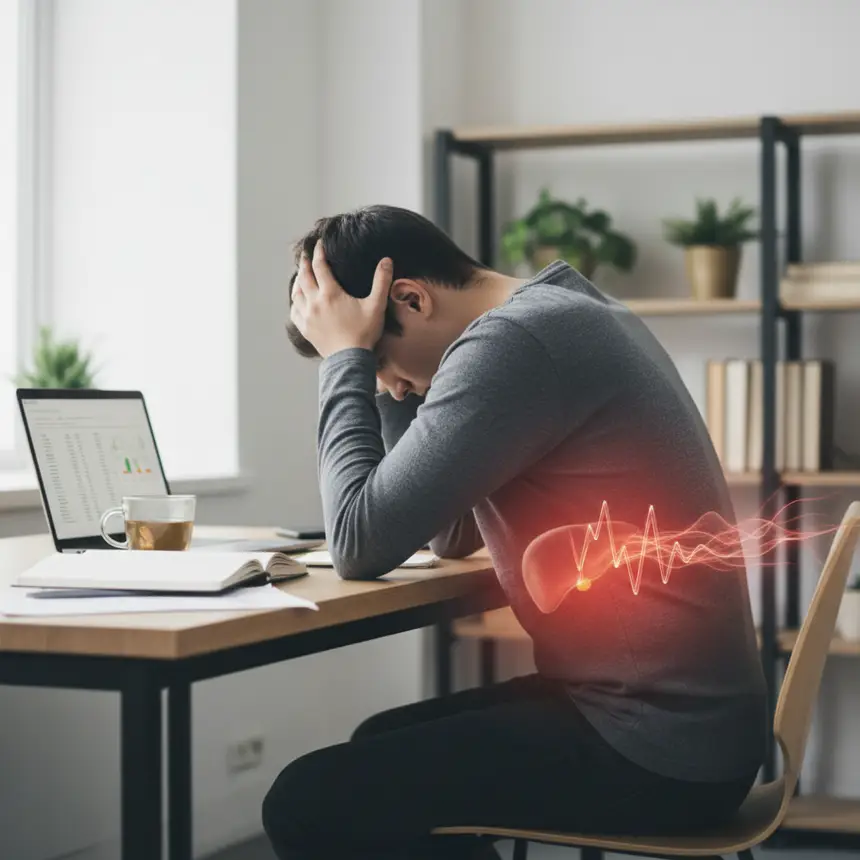
Pregnancy brings immense joy and anticipation for many expectant mothers, but it can also introduce unexpected physical changes that stir worry. When symptoms like persistent headaches, significant swelling, or profound fatigue appear, you might wonder, 'Is this just a normal part of pregnancy?' and feel a growing sense of unease. However, these signs can be more than mere discomfort; they could be important warnings impacting the health of both you and your baby. Elevated blood pressure, in particular, requires careful management during pregnancy, as it can sometimes lead to serious conditions like preeclampsia. Therefore, it's paramount to listen to your body's subtle signals, understand them correctly, and respond appropriately. The first step in easing concerns about high blood pressure or preeclampsia during pregnancy and managing it wisely begins with accurate information and proactive health management.
Gestational Hypertension vs. Preeclampsia: Understanding the Differences
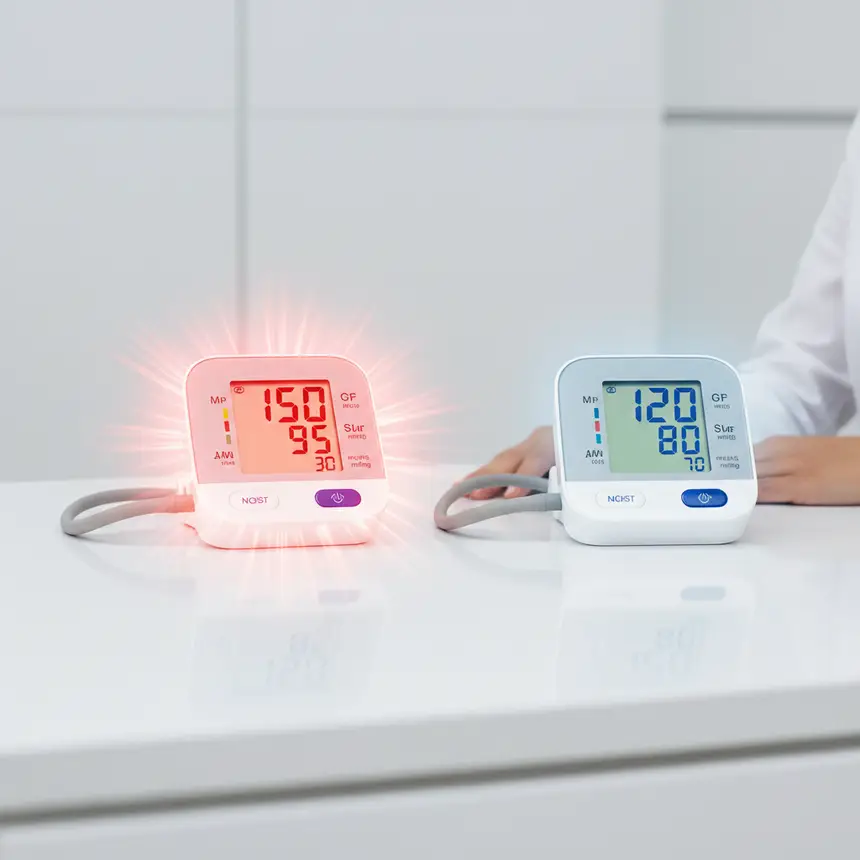
Elevated blood pressure during pregnancy can manifest in various ways, and among these, preeclampsia is a condition that warrants particular attention. Generally, gestational hypertension might be diagnosed when blood pressure readings are consistently 140/90 mmHg or higher. If these high blood pressure readings are accompanied by proteinuria (protein in the urine) or additional symptoms such as severe swelling, persistent headaches, visual disturbances, or upper abdominal pain, preeclampsia could be suspected. This condition can affect the mother's vital organs and negatively impact fetal growth, making early detection and prompt management critically important. Preeclampsia is known to have a higher risk in mothers who are having their first pregnancy, carrying multiple babies, or have pre-existing conditions like hypertension or diabetes before pregnancy. Additionally, advanced maternal age and obesity can also be risk factors. Thus, if you have any of these risk factors, more diligent blood pressure monitoring is required. While not all swelling indicates preeclampsia, if you experience any suspicious symptoms, it's wise to consult your healthcare provider without hesitation to receive an accurate diagnosis and appropriate intervention.
※ This post contains affiliate links. I may earn a commission at no extra cost to you.


Practical Strategies for Healthy Blood Pressure and Nutrition During Pregnancy
To reduce the risks of high blood pressure and preeclampsia during pregnancy, ensuring a healthy outcome for both mother and baby requires consistent effort. Here are some key management strategies you can implement at home:
- Regular Blood Pressure Monitoring: Make it a habit to measure and record your blood pressure daily at a consistent time using a home blood pressure monitor. This greatly helps in detecting changes early and providing accurate information to your healthcare team.
- Balanced Nutritional Intake: Maintain a diet focused on low sodium, consuming fresh vegetables, fruits, whole grains, and sufficient lean protein rather than processed foods. Incorporate nutrients that aid in blood pressure management, such as calcium, magnesium, and potassium, through a varied diet. For example, leafy greens like spinach and broccoli, or bananas, can be excellent choices.
- Appropriate Weight Management and Exercise: Excessive weight gain during pregnancy can increase the risk of elevated blood pressure. Consult with your healthcare provider about suitable light aerobic exercises (like walking or swimming) and strive to manage your weight within the recommended gain range.
- Adequate Rest and Stress Reduction: Ensure you get sufficient sleep and maintain mental calm through stress-reducing activities like meditation or prenatal yoga. This positively influences blood pressure stability.
- Meticulous Observation of Body Changes: If you notice any unusual or severe swelling, headaches, visual disturbances, or any other suspicious symptoms, visit a healthcare facility immediately for professional evaluation. Being sensitive to your body's condition and taking necessary action is the surest way to protect the health of both mother and baby. Remember that efforts towards a healthy pregnancy journey ultimately lead to a healthy delivery.
Frequently Asked Questions
Q. What are the early signs of preeclampsia?
A. Early signs of preeclampsia include elevated blood pressure (140/90 mmHg or higher), protein detected in urine, sudden and severe swelling in the hands, feet, and face, persistent headaches, visual changes like blurred vision or seeing spots, and upper abdominal pain. If you experience any of these symptoms, you should seek medical attention immediately.
Q. Does high blood pressure during pregnancy always mean preeclampsia?
A. Not all instances of high blood pressure during pregnancy mean preeclampsia. Blood pressure can sometimes be elevated due to temporary stress or general discomfort. However, if high blood pressure persists or is accompanied by other symptoms like proteinuria or significant swelling, it could indicate preeclampsia. It's crucial to consult your healthcare provider for an accurate diagnosis.
Q. What specific steps can I take at home to help prevent preeclampsia?
A. To help prevent preeclampsia, focus on maintaining a balanced diet with reduced sodium intake, ensuring adequate rest, and managing stress effectively. Additionally, engage in regular, light exercise approved by your doctor, and make it a habit to monitor and record your blood pressure at home with a blood pressure monitor.
Q. If I'm diagnosed with preeclampsia, what kind of management can I expect?
A. If diagnosed with preeclampsia, your doctor will closely monitor your condition through regular check-ups, blood pressure measurements, and urine tests. Depending on the severity, you may require hospitalization for intensive monitoring or medication. The baby's health will also be closely tracked, and it's important to follow your healthcare team's recommendations regarding delivery timing.
Q. Is severe swelling during pregnancy always a sign of preeclampsia?
A. While swelling is a common experience for many pregnant women, sudden and severe swelling, especially in the face and hands, can be an important sign of preeclampsia. If it's accompanied by other symptoms such as high blood pressure, protein in the urine, or headaches, it's crucial to consult your doctor for a thorough evaluation.