If mucus diarrhea persists, it's crucial to look beyond simple dietary issues. Understand the connection between your autonomic nervous system and gut health, and explore integrated management strategies for fundamental improvement.

Is Your Persistent Bowel Issue More Than Just Diet?
Many individuals diligently maintain a healthy diet and consistent exercise routines, yet still find themselves battling unexpected digestive disturbances, particularly persistent mucus diarrhea. While the adage 'you are what you eat' holds truth, if discomfort persists despite meticulous dietary choices, it's time to consider factors beyond food alone. Reports indicate that over 30% of modern adults experience chronic digestive discomfort, with a significant portion finding that dietary changes alone aren't sufficient for resolution. Such symptoms can severely impact daily life and diminish overall well-being. Therefore, if you're experiencing recurring mucus diarrhea, it's crucial to recognize that simply eliminating certain foods or consuming more 'good' ones might not be enough. A deeper exploration into underlying causes that could originate from within your body is often necessary to uncover fundamental solutions.
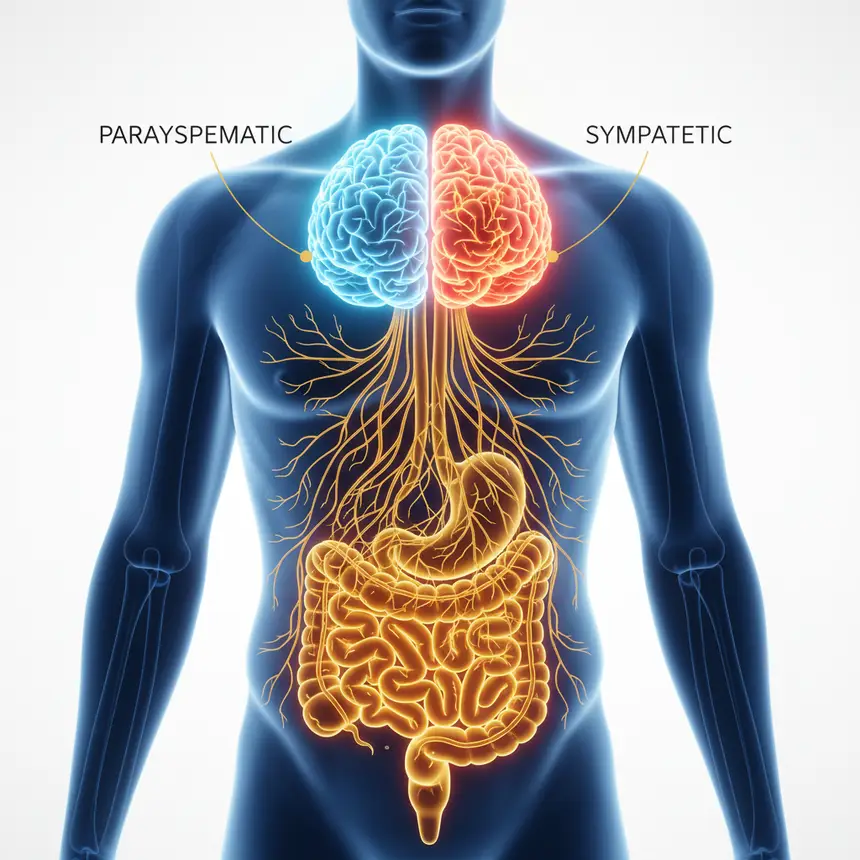
The Unseen Conductor of Digestion: Your Autonomic Nervous System
Your body's intricate digestive processes occur continuously, often without conscious thought. The complex movements of your digestive organs, from your mouth and esophagus to your stomach, small intestine, and large intestine, are precisely orchestrated by the autonomic nervous system. Comprising the sympathetic and parasympathetic branches, the balance between these two nerves critically influences not only digestion and nutrient absorption but also bowel movements. An imbalance in this system can impair digestive organ function, manifesting as various symptoms like abdominal pain, diarrhea, and the presence of mucus in stool. For example, excessive stress or an irregular lifestyle can over-activate the sympathetic nervous system, disrupting gut motility and fostering inflammatory responses. In such scenarios, even the healthiest foods might not be effectively processed, making symptom improvement challenging. Thus, for persistent digestive discomfort, evaluating the state of your autonomic nervous system and seeking multifaceted approaches to restore its balance is essential. Consulting with an experienced professional to assess your individual autonomic nervous system profile and devise a tailored management plan is a recommended step.
※ This post contains affiliate links. I may earn a commission at no extra cost to you.


A Holistic Pathway to Restoring Gut Wellness
Beyond merely avoiding or consuming specific foods, achieving fundamental gut health requires a comprehensive approach that considers your entire body's balance. Efforts to alleviate digestive issues stemming from autonomic nervous system imbalances can generally proceed in two main directions. First, stabilizing an overactive nervous system to reduce unnecessary inflammatory responses. This can be achieved through effective stress management, adequate rest, and consistent lifestyle habits. For instance, relaxation techniques like meditation or deep breathing can help dial down sympathetic overactivity. Second, supporting the regeneration of intestinal lining cells and strengthening overall gut immunity. This involves fostering a healthy gut microbiome, ensuring sufficient intake of essential nutrients, and engaging in activities that support gut function. These concerted efforts can revitalize gut vitality and enhance its resilience against external irritants, helping you move past chronic digestive discomfort. The key lies in consistent self-care coupled with, if needed, guidance from knowledgeable professionals to establish a health management plan optimized for your unique constitution and current health status.
Frequently Asked Questions
Q. What does persistent mucus diarrhea indicate?
A. If you're experiencing recurring mucus diarrhea, it might signal more than just indigestion; it could point to an imbalance in your gut health or even your autonomic nervous system. This is an important signal from your body, and if symptoms persist despite dietary changes, seeking professional help to identify the cause is advisable.
Q. How does autonomic nervous system imbalance specifically affect gut health?
A. An imbalanced autonomic nervous system can lead to reduced gut motility, abnormal digestive fluid secretion, and increased inflammatory responses in the intestinal lining. This can hinder nutrient absorption, weaken immunity, and cause bowel issues like diarrhea or constipation.
Q. Besides diet, what lifestyle habits can support gut health?
A. Stress management, regular sleep patterns, sufficient rest, and moderate physical activity all positively impact gut health. Relaxation techniques such as meditation or deep breathing can be particularly beneficial in helping balance the autonomic nervous system.
Q. What does a 'holistic approach' to gut health entail?
A. A holistic approach involves comprehensively considering various factors such as diet, lifestyle, and stress management to improve gut health. It focuses not just on suppressing symptoms but on enhancing the body's natural healing capabilities and addressing underlying causes.