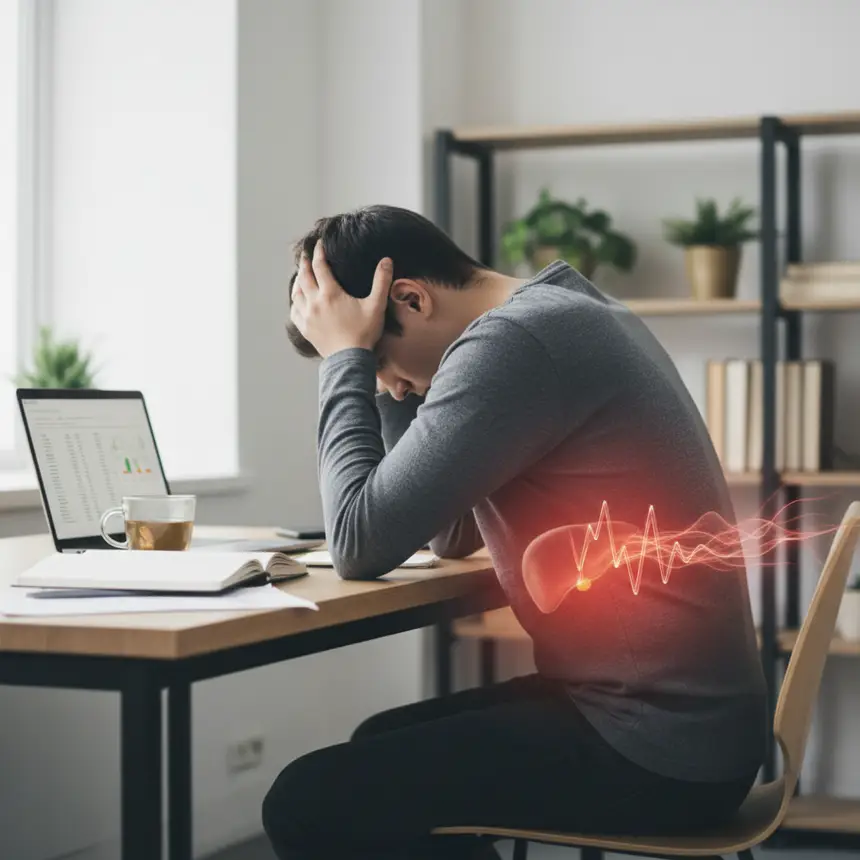
Are you suffering from aching eyes and headaches due to digital eye strain? This article explores the causes of modern eye-related pain and offers effective eye care tips and habit routines you can implement daily. Give your tired eyes relief and reclaim clear, healthy vision starting today.

That Familiar Ache Around Your Eyes: More Than Just Tiredness
Have you ever experienced a throbbing or aching pain around your eyes after a long day staring at screens? Many of us are familiar with this discomfort, often dismissing it as simple fatigue. However, this sensation could be a tell-tale sign of digital eye strain, also known as computer vision syndrome, manifesting as a headache. The dull pressure extending to your forehead, temples, and behind your eyes can significantly disrupt daily life, affecting concentration and leading to overall fatigue. This eye-related discomfort is a crucial signal from our visual habits and stress levels. While rarely indicative of a serious condition, prolonged symptoms can diminish your quality of life. Understanding its root causes and consistently managing it is key to finding relief.

The Digital Shadow: Complex Factors Behind Eye Area Discomfort
Pain around the eyes isn't solely due to overworked eyeballs. A complex network of sensory nerves and muscles surrounds our eyes, and when overused or tense, they send out pain signals. Prolonged focus on digital screens, like smartphones or computers, forces our eye-focusing muscles into constant contraction, leading to excessive tension. This tension irritates the surrounding nerves, potentially spreading to the forehead, temples, and even neck muscles, triggering headaches. Adding to this, mental stress and fatigue can exacerbate the situation. Unconsciously squinting or frowning during intense concentration places further pressure on these delicate eye area muscles and nerves. Thus, eye-related headaches are a multifaceted issue, stemming from both physical eye fatigue and the interconnectedness of mental tension and overall muscle strain.
※ This post contains affiliate links. I may earn a commission at no extra cost to you.


Calming Your Eyes and Head: The Power of Small Daily Changes
To alleviate and prevent eye-related headaches, even minor adjustments to your daily routine can have a significant impact. First, prioritize consuming nutrients beneficial for eye health. Antioxidant-rich foods like dark leafy greens (spinach, kale) and berries can help reduce eye fatigue. Omega-3 fatty acids, found in fatty fish, also contribute to alleviating dryness and inflammation. Additionally, regular eye breaks and gentle exercises are crucial. Take a break for at least 5 minutes every 40-50 minutes of screen time, closing your eyes or gazing into the distance to shift your focus. Gently massaging the area around your eyes or applying a warm compress can effectively relax tense muscles and nerves, reducing pain. Don't forget proper hydration to prevent dry eyes, which can worsen discomfort.

A Routine for Revitalized Eyes and Lasting Comfort
Eye-related headaches are highly manageable through a consistent daily routine. Incorporate these three key habits into your life: First, manage your 'screen distance and time.' Establish a rule to rest your eyes for at least 5 minutes after every 40-50 minutes of screen use. Simply closing your eyes or looking at a distant object outside can significantly reduce eye muscle fatigue. Adjust screen brightness to match ambient lighting and choose a font size that's comfortable for your eyes. Second, focus on 'conscious blinking and hydration.' When concentrating, we tend to blink less, leading to dry eyes. Make a conscious effort to blink frequently to replenish your tear film, and use artificial tears if needed. Third, prioritize 'stress management and adequate sleep.' Both physical and mental stress contribute to eye discomfort. Practice simple meditation or deep breathing to ease tension, and ensure 7-8 hours of quality sleep nightly to allow your eyes and body to recover. Consistent application of these habits can lead to a noticeable reduction in headache frequency and intensity within 2-3 months, with sustained relief achievable within 3 months to a year.

A Gift to Your Tired Eyes: Start Your Healthy Journey Today
Headaches accompanied by eye discomfort may feel like an inescapable modern ailment, but they are far from insurmountable. By integrating the simple yet effective management strategies outlined here into your daily life, you can anticipate significant improvement. The key is not to aim for perfection all at once, but to consistently practice small, manageable habits. Brief breaks, a nutrient-rich diet, regular eye exercises, and sufficient sleep are the most powerful gifts you can give your tired eyes and aching head. If, despite these efforts, your pain persists or is accompanied by vision changes or extreme discomfort, it's wise to consider seeking professional advice. However, in most cases, your proactive efforts can lead you back to comfortable, clear vision. Begin your healthy transformation today and give your eyes the care they deserve.
Frequently Asked Questions
Q. Are headaches accompanied by eye pain a sign of a serious illness?
A. In most cases, they are related to eye strain from digital device use or tension headaches. Serious conditions are relatively rare, but if the pain is severe or accompanied by vision disturbances, it's advisable to consult a healthcare professional.
Q. Will resting my eyes immediately make the pain go away?
A. For mild eye fatigue, sufficient rest can often alleviate symptoms within a day or two. However, if the pain recurs frequently, lifestyle adjustments are necessary.
Q. How should I manage recurrent headaches around my eyes?
A. It's crucial to improve overall lifestyle habits, including regular screen breaks, eye massages, proper nutrition, and adequate sleep. If needed, consider an eye exam or consult a professional to rule out other causes.
Q. Are there specific exercises that can help alleviate eye area headaches?
A. Eye exercises like rolling your eyes up and down, side to side, or in circles, and palming (covering your eyes with your palms for darkness and relaxation) can help relax eye muscles. The '20-20-20 rule' (looking at something 20 feet away for 20 seconds every 20 minutes) is also effective.
Q. How long does it typically take to fully improve these pains with management?
A. With consistent lifestyle improvements, the frequency and intensity of pain can significantly decrease within 2-3 months. Maintaining these habits for 3 months to a year can lead to sustained comfort and greatly reduce recurrence.