A comprehensive guide to prostate health, a cornerstone of male wellness. Learn about the symptoms, risk factors, and effective lifestyle and dietary strategies for managing and supporting prostate health, including reducing the risk of conditions like prostate cancer. Discover actionable tips for a healthier prostate.

H2. Decoding Subtle Shifts in Men's Health: Recognizing Prostate Warning Signs
Prostate health has become a crucial topic in men's wellness, especially with a noticeable rise in prostate cancer incidence in many countries. While it might have been less discussed in the past, it's now an indispensable aspect of male health management. The prostate gland, a small organ located below the bladder and surrounding the urethra, plays a vital role in producing seminal fluid. A key characteristic of prostate issues, particularly in their early stages, is the absence of distinct symptoms, making it challenging to detect until the condition has progressed. Imagine a slowly accumulating blockage in a water pipe; initially, water flows fine, but over time, the stream weakens and eventually gets obstructed. Often, these conditions are first identified during routine check-ups when specific markers, like PSA levels, show an increase.
As localized issues develop, urinary discomfort often emerges. Early indicators can mirror other common prostate problems: a weakened urinary stream, needing to strain to urinate, frequent nighttime urination (nocturia), or a persistent feeling of incomplete bladder emptying. Additionally, an urgent, hard-to-control need to urinate might occur. Paying close attention to these subtle changes in your urinary habits is the foundational step toward maintaining good prostate health.
As localized issues develop, urinary discomfort often emerges. Early indicators can mirror other common prostate problems: a weakened urinary stream, needing to strain to urinate, frequent nighttime urination (nocturia), or a persistent feeling of incomplete bladder emptying. Additionally, an urgent, hard-to-control need to urinate might occur. Paying close attention to these subtle changes in your urinary habits is the foundational step toward maintaining good prostate health.
H2. Unraveling the Contributors to Prostate Health Challenges: Genetics, Diet, and Lifestyle
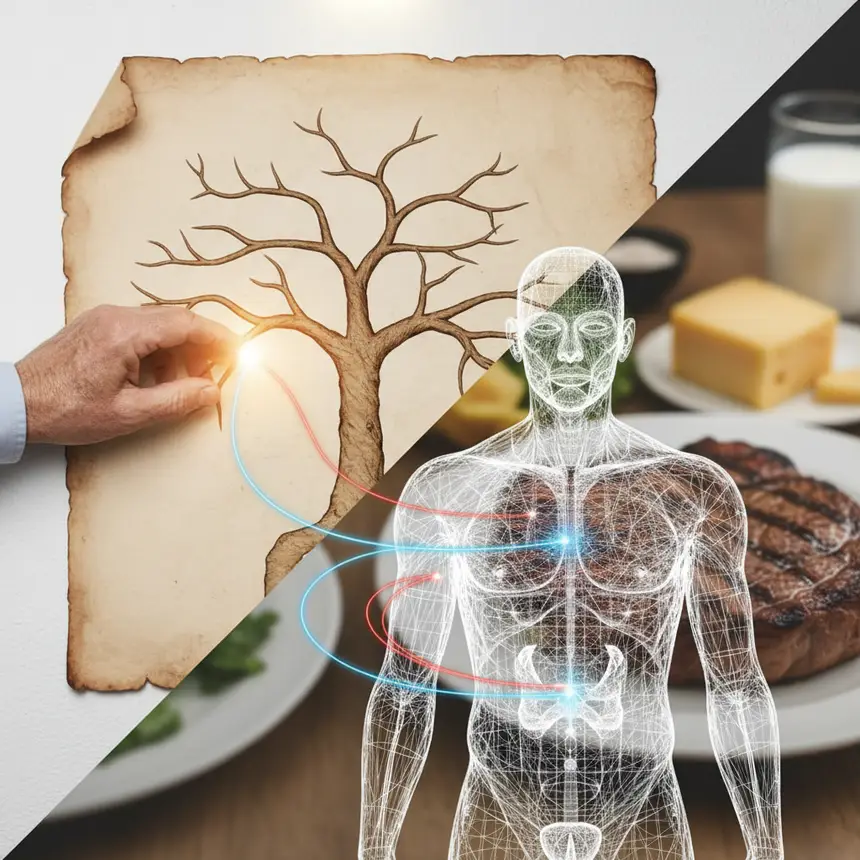
The escalating rates of prostate-related conditions, including prostate cancer, stem from a confluence of interconnected factors. A primary driver is global population aging; the majority of diagnoses occur in men aged 60 to 70, reflecting a clear age-related risk. Genetic predisposition also plays a significant role. Studies indicate that having a direct family member with a history of prostate conditions can elevate one's own risk by up to eight times. This highlights the importance of understanding your family medical history, much like knowing your car's maintenance record can help prevent future breakdowns.
Environmental and lifestyle elements are equally critical. A Westernized dietary pattern is frequently implicated as a major contributor to poor prostate health. Animal fats, abundant in red meats and certain dairy products, are thought to influence male hormone metabolism in ways that may not be beneficial for the prostate. The rising incidence among Asian populations adopting Western diets supports this theory. Furthermore, a high Body Mass Index (BMI) and obesity can accelerate the progression of prostate issues and worsen outcomes. Smoking and excessive alcohol consumption are also known to negatively impact prostate cell health, potentially increasing the risk of developing and advancing these conditions.
Environmental and lifestyle elements are equally critical. A Westernized dietary pattern is frequently implicated as a major contributor to poor prostate health. Animal fats, abundant in red meats and certain dairy products, are thought to influence male hormone metabolism in ways that may not be beneficial for the prostate. The rising incidence among Asian populations adopting Western diets supports this theory. Furthermore, a high Body Mass Index (BMI) and obesity can accelerate the progression of prostate issues and worsen outcomes. Smoking and excessive alcohol consumption are also known to negatively impact prostate cell health, potentially increasing the risk of developing and advancing these conditions.
※ This post contains affiliate links. I may earn a commission at no extra cost to you.


H2. Smart Choices for Prostate Wellness: Dietary Adjustments and Lifestyle Refinements
Safeguarding prostate health and mitigating the risks of associated conditions demands consistent effort in daily life, with diet being a cornerstone. It's advisable to limit the consumption of red meats (pork, beef) and processed meats (like sausages) to 1-2 times per week, keeping servings under 100g. Instead, actively incorporate foods rich in specific nutrients known to support prostate wellness.
While calcium is essential, excessive dairy intake warrants caution. Limiting dairy products to 1-2 servings per day is often recommended. Regular physical activity is crucial for managing abdominal obesity and maintaining hormonal balance. Engage in moderate-intensity exercises, such as brisk walking, swimming, or cycling, for at least 30 minutes per session, ensuring you break a sweat. Quitting smoking and moderating alcohol consumption are equally vital lifestyle changes for optimal prostate health.
- Red Fruits (Tomatoes, Watermelon): These are rich in 'lycopene,' a powerful antioxidant that helps maintain prostate health. Cooking tomatoes, for instance, significantly enhances lycopene absorption, much like unlocking a hidden treasure. These compounds can positively influence prostate cells.
- Cruciferous Vegetables (Broccoli, Cabbage, Cauliflower): Aim for at least five servings per week of these vegetables to support healthy cellular function.
- Omega-3 Rich Fish: Including fatty fish like mackerel and salmon 3-4 times a week can be beneficial for maintaining prostate cell integrity.
- Green Tea, Legumes, Blueberries, Garlic: These foods offer a spectrum of health benefits and are excellent additions to a balanced diet.
While calcium is essential, excessive dairy intake warrants caution. Limiting dairy products to 1-2 servings per day is often recommended. Regular physical activity is crucial for managing abdominal obesity and maintaining hormonal balance. Engage in moderate-intensity exercises, such as brisk walking, swimming, or cycling, for at least 30 minutes per session, ensuring you break a sweat. Quitting smoking and moderating alcohol consumption are equally vital lifestyle changes for optimal prostate health.

H2. Sustaining Prostate Health: The Power of Proactive Prevention and Management
Prostate health significantly influences a man's quality of life, underscoring the necessity of continuous attention and management. The dietary adjustments, regular exercise, smoking cessation, and alcohol moderation discussed earlier form a robust foundation for reducing the risk of prostate conditions and maintaining a healthy state. This isn't merely about avoiding illness; it's an investment in a vibrant, active life. Just as we regularly service a car to ensure its longevity, our bodies require consistent care and effort.
Prostate health is not achieved in an instant; it's the cumulative result of small, consistent daily practices. Start making smart choices for your prostate health today, and empower yourself to enjoy a robust and healthy life for years to come.
- Regular Health Check-ups: To catch subtle bodily changes, it's essential to undergo routine health screenings, monitor prostate-related markers, and consult with a healthcare professional.
- Consistency in Lifestyle Habits: The key lies not in short-term efforts but in sustaining healthy eating and an active lifestyle over the long haul.
- Consulting Professionals: If you experience persistent urinary symptoms or have a family history of prostate issues, don't hesitate to consult a medical expert. They can provide an accurate diagnosis and tailor a management plan specific to your needs.
Prostate health is not achieved in an instant; it's the cumulative result of small, consistent daily practices. Start making smart choices for your prostate health today, and empower yourself to enjoy a robust and healthy life for years to come.
Frequently Asked Questions
Q. What age group is typically most affected by prostate conditions?
A. Prostate conditions, including prostate cancer, most commonly affect men in their 60s and 70s. However, they can occur at younger ages, so it's important to prioritize general health and wellness regardless of age.
Q. What types of exercises are beneficial for prostate health?
A. Aerobic exercises that engage the whole body, such as brisk walking, jogging, swimming, or cycling, are highly recommended. Focusing on moderate-intensity workouts for at least 30 minutes daily can help manage abdominal obesity and maintain a healthy weight, which is beneficial for prostate health.
Q. How much does a family history increase the risk of prostate conditions?
A. If you have a direct family member who has experienced prostate conditions, your risk of developing such issues can be up to eight times higher than those without a family history. This makes regular screenings and diligent lifestyle management even more critical.
Q. Why is red meat consumption often advised against for prostate health?
A. The animal fats found in red and processed meats are believed to influence male hormone metabolism in ways that may negatively impact prostate health. Therefore, moderating intake and opting for plant-based protein sources is generally recommended.
Q. What should I do first if I notice symptoms related to my prostate?
A. If you experience urinary discomfort or any other symptoms suggestive of a prostate issue, the most crucial first step is to consult a healthcare professional. They can provide an accurate diagnosis and help you develop an appropriate management plan tailored to your specific needs.