Concerned about your child's nutrition? Explore the benefits of zinc for growth and immunity, learn how to choose the right supplement, and discover effective intake strategies. A comprehensive guide for parents.

Parents' Concerns: Exploring Zinc for Growing Kids
Many parents are deeply invested in their children's nutritional well-being, especially during crucial growth stages. It's common to worry about potential nutrient gaps, particularly for picky eaters or children with specific dietary restrictions. Amidst these concerns, the essential trace mineral zinc often comes into focus. Parents frequently wonder if their child needs zinc supplementation and how to navigate the numerous options available. While a balanced diet is always the foundation, ensuring complete nutrient intake in busy modern life can be challenging. By carefully observing a child's eating habits and activity levels, and considering professional advice, parents can better understand how zinc contributes to growth and development. This guide aims to provide practical, evidence-based information for parents prioritizing their child's health and considering children's zinc supplementation.
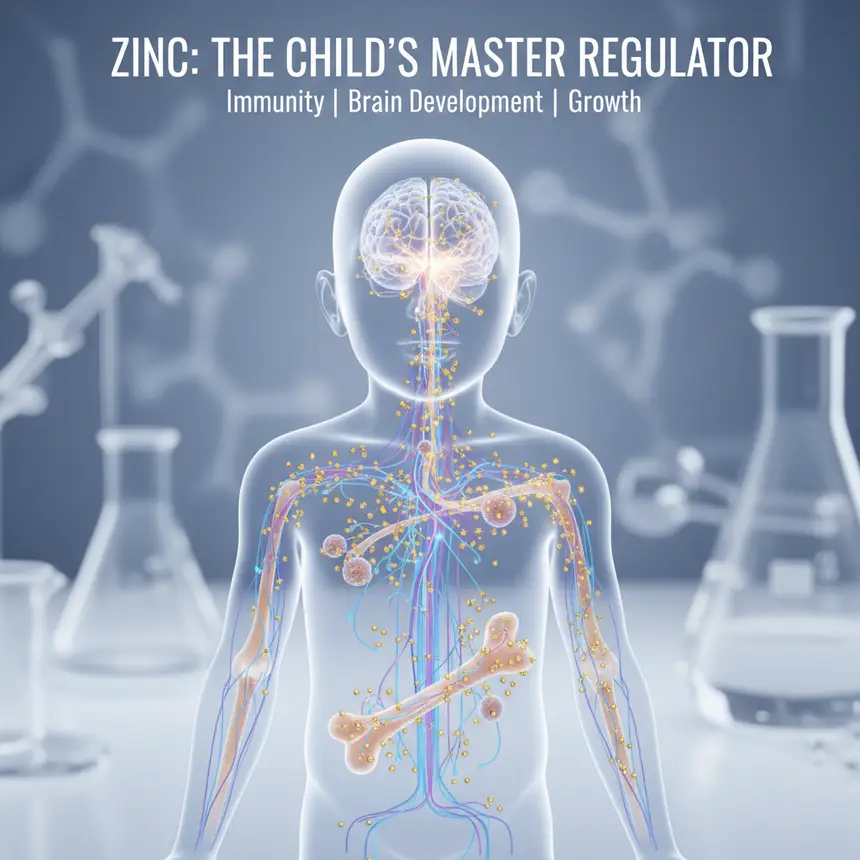
The Vital Role of Zinc in Children's Development and Why It Matters
Zinc is a critical trace mineral fundamental to children's growth and overall health. It plays a pivotal role in numerous biological processes within the body. Specifically, zinc is crucial for maintaining a healthy immune system, facilitating cell division and growth, aiding in DNA synthesis, and supporting wound healing. Furthermore, it contributes to the proper functioning of taste and smell receptors and is increasingly recognized for its positive impact on cognitive development. Children, due to their rapid growth, often have higher nutritional demands per pound of body weight than adults, and zinc requirements can peak during growth spurts. While abundant in foods like red meat, seafood, legumes, and nuts, dietary intake alone might be insufficient for children with selective eating habits or food allergies. In such cases, consulting a healthcare professional to consider children's zinc supplements can be beneficial. Understanding the different forms of zinc, such as zinc gluconate, zinc picolinate, zinc citrate, or yeast-derived zinc, and their respective absorption rates and potential for gastric upset, is key to making an informed choice.
※ This post contains affiliate links. I may earn a commission at no extra cost to you.


Choosing and Administering Children's Zinc Supplements: A Practical Guide
Selecting a children's zinc supplement requires careful consideration of several key factors. First, evaluate the source and form of the zinc. Many prefer naturally derived sources, such as yeast-fermented zinc, over synthetic forms, as they may be gentler on a child's sensitive digestive system. Second, scrutinize the ingredient list for unnecessary additives. Opt for products with minimal or no artificial sweeteners, colorings, flavorings, or preservatives. Always read the label thoroughly. Third, consider the delivery format best suited for your child. While gummy supplements are popular, they often contain high sugar levels. Chewable tablets, liquids, or powders might be better alternatives, ensuring your child can take them consistently without resistance. Fourth, assess the zinc content and its balance with other nutrients. A single-ingredient zinc supplement can offer more precise dosage control, but if zinc is included in a multivitamin, be mindful to avoid excessive intake.
Optimal administration is equally important. Zinc can sometimes cause stomach upset when taken on an empty stomach, so it's generally recommended to give it with food. Establishing a consistent routine, such as after breakfast or dinner, can aid adherence. Furthermore, certain minerals like iron and calcium can compete with zinc for absorption; if your child needs to take these simultaneously, consider spacing out their intake by a few hours. Remember, supplements are meant to complement, not replace, a balanced and varied diet. Integrating children's zinc as an adjunct to healthy eating habits remains the most ideal approach.
Optimal administration is equally important. Zinc can sometimes cause stomach upset when taken on an empty stomach, so it's generally recommended to give it with food. Establishing a consistent routine, such as after breakfast or dinner, can aid adherence. Furthermore, certain minerals like iron and calcium can compete with zinc for absorption; if your child needs to take these simultaneously, consider spacing out their intake by a few hours. Remember, supplements are meant to complement, not replace, a balanced and varied diet. Integrating children's zinc as an adjunct to healthy eating habits remains the most ideal approach.

Sustained Support: The Long-Term Benefits of Thoughtful Zinc Intake for Kids
Supporting your child's zinc intake is not a quick fix but a long-term investment in their healthy development. The most critical aspects of choosing and administering supplements are consistency and selecting what works best for your child. Even the most beneficial nutrient won't be effective if a child resists taking it or finds it difficult to consume regularly. It's often advisable to start with a small dose, observe your child's reaction, and gradually adjust as needed. Beyond supplementation, remember that adequate sleep, regular physical activity, and positive emotional development are equally essential for your child's overall well-being. By thoughtfully managing children's zinc intake, you not only support their immunity and growth but also empower yourself with greater confidence in their nutritional care. Should any concerns arise or unusual symptoms appear, always consult a pediatrician or a registered dietitian for professional guidance and to tailor a health plan optimized for your child's unique needs.
Frequently Asked Questions
Q: Why is zinc important for my child?
A: Zinc is a crucial trace mineral essential for children's healthy immune function, proper cell growth and division, DNA synthesis, and cognitive development. Their demands increase during periods of rapid growth.
Q: What should I look for when choosing a zinc supplement for kids?
A: Prioritize products with high-quality sources (e.g., natural forms), minimal artificial additives (sweeteners, colors), and a delivery method (liquid, chewable) that your child can consistently take without resistance.
Q: What's the best time of day to give my child zinc?
A: To enhance absorption and minimize potential stomach upset, it's generally recommended to give zinc with food, such as after breakfast or dinner. Establishing a consistent daily time is beneficial.
Q: Can my child take zinc with other vitamins?
A: Yes, but it's important to check if other multivitamins already contain zinc to avoid exceeding daily recommended amounts. Also, for optimal absorption, consider spacing out zinc intake by a few hours from high doses of calcium or iron supplements.
Q: What kind of improvements might I see with consistent zinc intake?
A: Consistent zinc intake can significantly support a child's overall immune system, contribute to healthy growth and development, and help maintain balanced nutrition. However, individual results and benefits can vary.