If you're experiencing sudden joint pain and swelling in your toe, it might be acute gout. Discover how to effectively manage gout by controlling uric acid levels and making dietary and lifestyle improvements to regain comfort and well-being.

An Unexpected Night Visitor: The Mystery Behind Stabbing Toe Pain
Imagine waking up in the middle of the night to a sudden, excruciating, stabbing pain in your big toe joint. If that area is also red, swollen, and feels hot to the touch, it might be more than just a minor injury; it could be an initial sign of 'acute gout.' This condition is so painful it's often described as feeling like even a gentle breeze causes agony, drastically disrupting daily life without warning. However, there's no need to panic. By understanding the root cause of this sudden toe pain and adopting appropriate initial responses along with consistent lifestyle adjustments, you can effectively manage it and regain your comfortable routine. Let's explore the first steps toward managing gout today.
Acute Gout: Why Does It Affect the Toe Joint? Unpacking the Core Mechanism
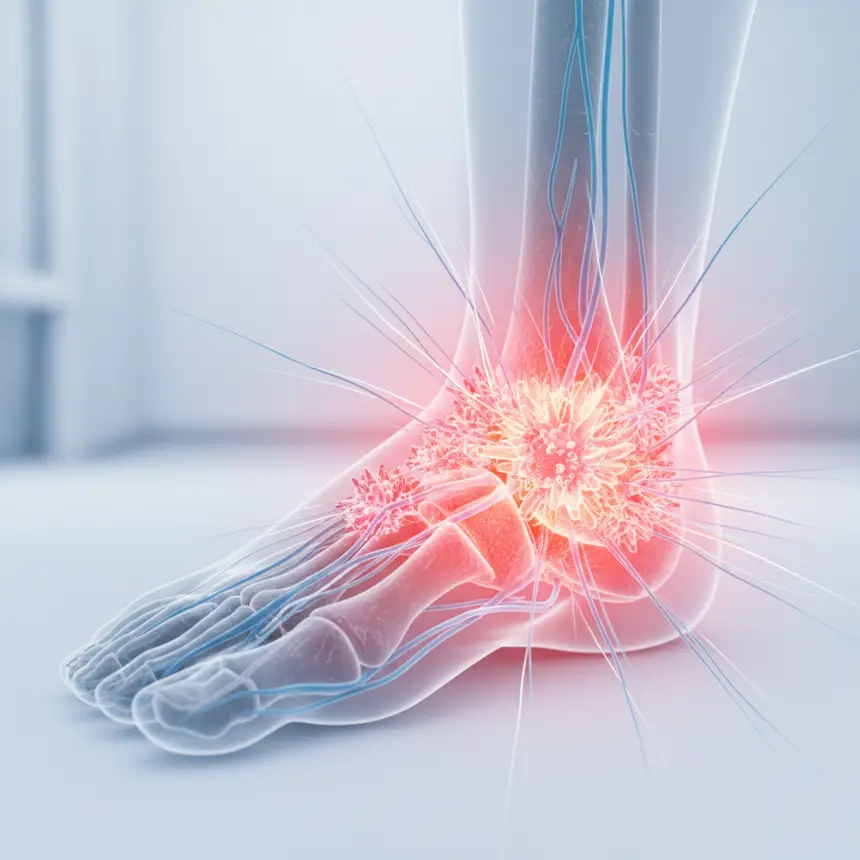
Uric acid is a natural byproduct of protein metabolism in our bodies. Ideally, our kidneys efficiently filter it out through urine. However, if too much uric acid is produced, or if kidney function is impaired, its concentration in the blood rises abnormally, leading to a condition called 'hyperuricemia.' Problems typically arise when blood uric acid levels consistently exceed 7.0 mg/dL. This excess uric acid then transforms into tiny, sharp crystal formations that begin to deposit in and around joints. Areas like the tips of your toes, which have naturally lower temperatures and slower blood flow, provide an ideal environment for these uric acid crystals to clump together and trigger an inflammatory response. Much like fine impurities clogging a water filter, these accumulated uric acid crystals irritate and prick the surrounding soft tissues with every movement, causing intense pain. Understanding this mechanism is the crucial first step in managing gout effectively.
※ This post contains affiliate links. I may earn a commission at no extra cost to you.

Dietary and Lifestyle Strategies to Lower Uric Acid: Actionable Steps for Today
Dietary management is a cornerstone of acute gout control. Certain foods can help reduce inflammation and promote uric acid excretion, while others can exacerbate uric acid production. Foods highly recommended for consumption include:
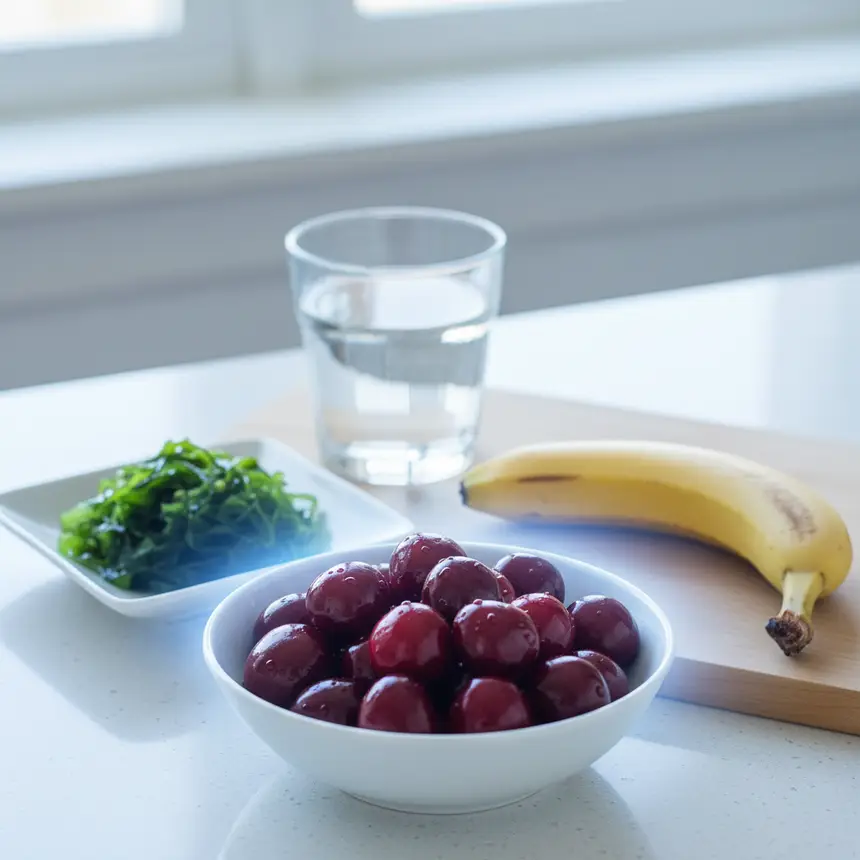
- Tart Cherries: Rich in anthocyanins, known to alleviate inflammatory responses and aid in uric acid elimination.
- Alkaline Sea Vegetables (like wakame, kelp) and Bananas: These help alkalinize urine, facilitating smoother uric acid excretion via the kidneys.
- Organ meats (liver, kidneys), rich meat broths, and certain seafood (sardines, anchovies).
- Alcohol, especially beer: Not only is it high in purines, but alcohol itself directly hinders uric acid excretion.

Reclaiming Comfort: Consistent Management for a Gout-Free Life
Experiencing sudden, severe pain and swelling in your toe can be alarming and distressing for anyone. However, acute gout symptoms are entirely manageable with the right knowledge and consistent lifestyle modifications. The key lies in diligently applying the uric acid management principles, dietary guidelines, and daily coping strategies we've discussed today. It's crucial not to discontinue management simply because the pain has subsided; ongoing attention and effort are necessary to prevent dormant uric acid crystals from causing future flare-ups. By making healthy food choices, ensuring adequate hydration, and adopting appropriate exercise habits, you can regain comfortable, light footsteps and enjoy a vibrant, active life. Remember, small, consistent actions pave the way for significant positive changes.
Frequently Asked Questions
Q. My acute gout pain disappeared in a few days. Does that mean I'm cured?
A. Acute gout attacks often subside naturally within one to two weeks. However, the absence of pain doesn't mean your uric acid levels have normalized, and uric acid crystals may still be present around your joints. Consistent diet and lifestyle management are essential to prevent future recurrences.
Q. Does intense exercise that makes me sweat a lot help flush out uric acid?
A. While light aerobic exercises like walking or swimming are beneficial for weight management, intense exercise leading to excessive sweating can cause dehydration and temporarily increase uric acid concentration in your blood, especially during a flare-up. Always rehydrate sufficiently after any physical activity.
Q. Is there a specific reason why gout primarily affects the big toe?
A. The big toe is typically cooler and has slower blood flow compared to other parts of the body. This environment makes it easier for uric acid crystals to form and deposit around the joint, leading to inflammation. These conditions make the big toe a common site for gout attacks to occur.