Are you noticing thinning hair or a dull, lifeless mane? Fueling your body with key nutrients is vital for preventing hair loss and fostering a healthy scalp. Discover easily accessible foods that can transform your hair from the inside out and kickstart your journey to stronger, fuller locks.

Hair Concerns: Is External Care Enough?
Do you find yourself disheartened by dull, thinning hair every time you look in the mirror? Are you sighing at the sight of more hair on your pillow or shower drain each morning? Many of us invest heavily in hair products and external treatments hoping to achieve luscious locks and prevent hair loss. However, without addressing the root cause, even the best products might not yield the desired results. Your hair isn't just an external feature; it's a significant indicator of your internal nutritional status. Ultimately, the secret to building strong, healthy hair lies in what you consume. Start nurturing your hair from the inside out by incorporating hair-friendly foods into your daily diet, beginning today.
Why Hair Loses Its Luster: The Role of Nutritional Imbalance
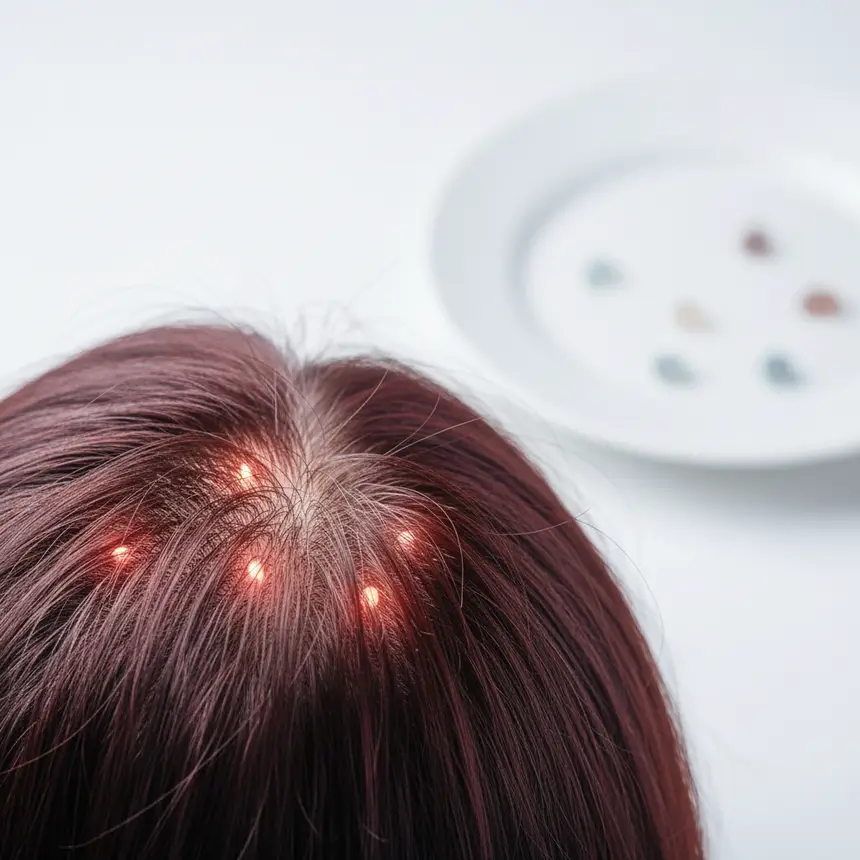
Our hair is primarily composed of a protein called keratin, and it grows continuously from hair follicles, exhibiting its own vitality. However, a deficiency in certain nutrients can weaken hair, shorten its growth cycle, and even damage the follicles themselves, leading to hair loss. For instance, insufficient protein intake means the main building blocks for hair are scarce, resulting in thin, brittle strands. Iron deficiency can impede oxygen supply to the scalp, impairing follicle function and slowing hair growth. Moreover, a lack of essential fatty acids or specific vitamins can lead to a dry, itchy scalp and inflammation, exacerbating issues like dandruff. Thus, a balanced nutritional intake provides the essential foundation for preventing hair thinning and maintaining overall hair health.
※ This post contains affiliate links. I may earn a commission at no extra cost to you.

Key Nutrients and Foods for Thicker, Stronger Hair
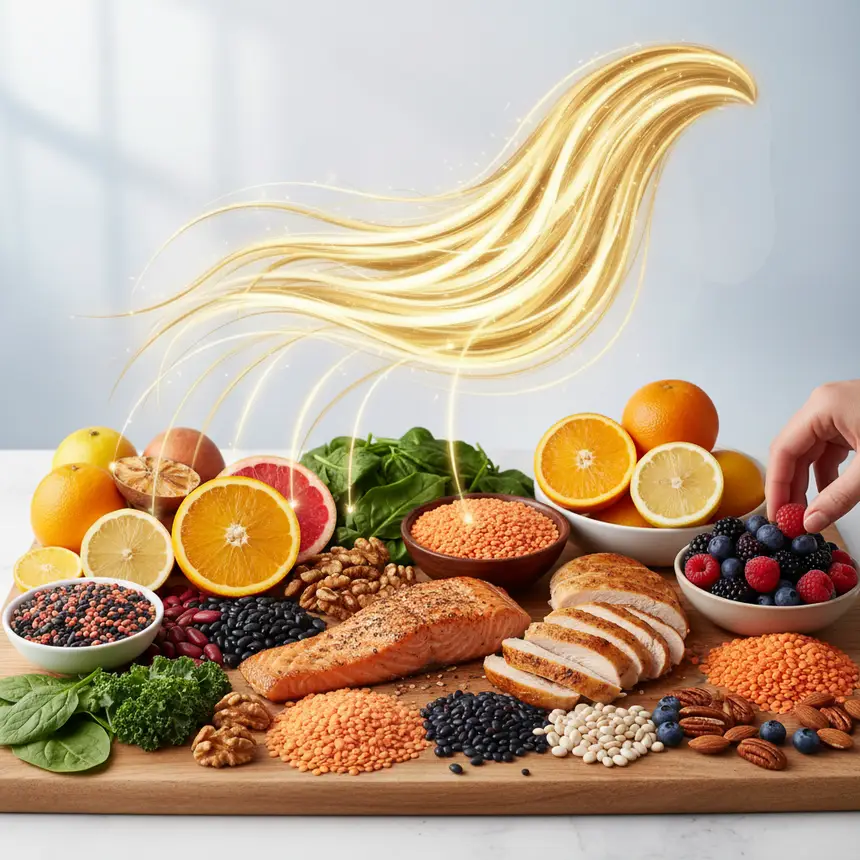
For truly healthy hair, focusing on specific nutrient intake is paramount. Ensure you consume a balanced variety of foods that are good for your hair to supply it with the energy it needs.
- Protein: The Building Blocks of Hair Structure
- Iron: The Oxygen Carrier for Follicle Vitality
- Omega-3 Fatty Acids: Cultivating a Healthy Scalp Environment
- Zinc and Biotin: Hair Growth and Regeneration Allies
- Vitamin C: Essential for Collagen Production and Iron Absorption
Practical Routines to Nourish Your Hair Daily
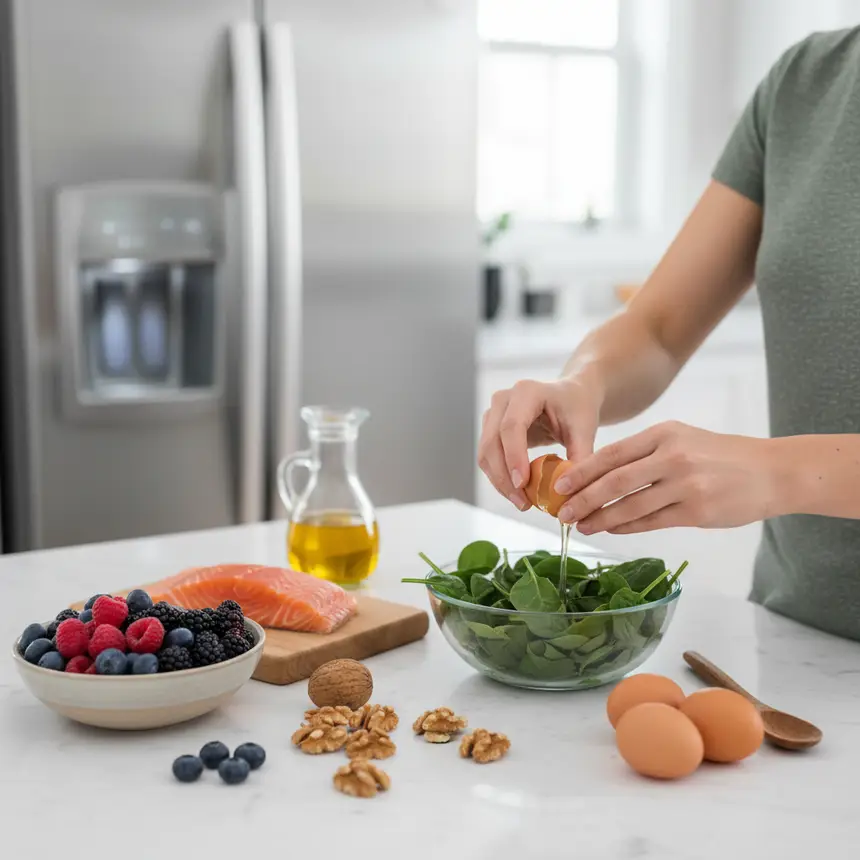
Now that you know which foods are beneficial, the key is to consistently incorporate them into your routine. Start with small habits rather than aiming for an overnight overhaul.
1. Don't Skip Protein at Breakfast: Begin your day with 1-2 hard-boiled eggs, add a tablespoon of nuts or seeds to plain yogurt, or enjoy a glass of soy milk. This provides an excellent start to supplying your hair with necessary nutrients throughout the day.
2. Load Up on Colorful Fruits and Vegetables: During lunch or dinner, generously include a variety of colorful vegetables like broccoli, spinach, and bell peppers in salads or as side dishes. For a snack, a couple of vitamin C-rich strawberries or mandarins are a great choice.
3. Choose Healthy Snacks: When hunger strikes in the afternoon, opt for a handful of walnuts or almonds, or perhaps toast with fresh avocado, instead of chocolate or cookies. These healthy snacks provide satiety and boost hair-benefiting nutrients.
4. Aim for Fish Twice a Week: Try to include fatty fish like salmon or mackerel in your diet at least twice a week. You can enjoy them grilled, baked, or steamed in various delicious ways.
1. Don't Skip Protein at Breakfast: Begin your day with 1-2 hard-boiled eggs, add a tablespoon of nuts or seeds to plain yogurt, or enjoy a glass of soy milk. This provides an excellent start to supplying your hair with necessary nutrients throughout the day.
2. Load Up on Colorful Fruits and Vegetables: During lunch or dinner, generously include a variety of colorful vegetables like broccoli, spinach, and bell peppers in salads or as side dishes. For a snack, a couple of vitamin C-rich strawberries or mandarins are a great choice.
3. Choose Healthy Snacks: When hunger strikes in the afternoon, opt for a handful of walnuts or almonds, or perhaps toast with fresh avocado, instead of chocolate or cookies. These healthy snacks provide satiety and boost hair-benefiting nutrients.
4. Aim for Fish Twice a Week: Try to include fatty fish like salmon or mackerel in your diet at least twice a week. You can enjoy them grilled, baked, or steamed in various delicious ways.
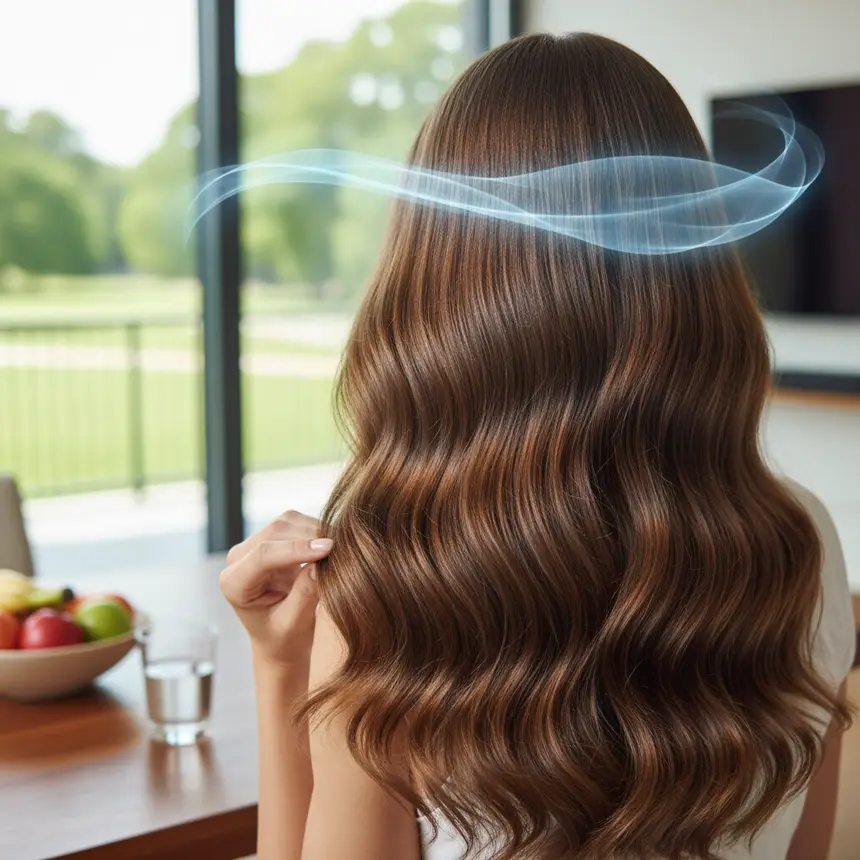
The Power of Consistency: Healthy Hair, Confident You
Hair health is not a sprint; it's a marathon. You won't see dramatic changes overnight just by eating a special meal today. However, by consistently consuming hair-friendly foods and maintaining healthy eating habits, you will undoubtedly experience noticeable improvements in your hair over time. Your hair will become stronger, shinier, and you'll see a positive impact on overall hair thinning prevention. Beyond just improving your hair, balanced nutrition enhances your entire body's health, gifting you with a vibrant and energetic daily life. Start today with consistent nutritional care to cultivate more radiant hair and build confident days. Your body is built from what you eat. Embrace beautiful change with healthy choices!
Frequently Asked Questions
Q. Can nutrition alone completely prevent hair loss?
A. While nutrition is crucial for hair health and preventing hair thinning, hair loss has various causes, including genetics, hormones, and stress. Therefore, nutrition is a vital part of hair loss management, but it cannot 100% prevent all types of hair loss. However, hair weakening due to nutritional imbalance can certainly be improved.
Q. How long does it take to see results from eating hair-friendly foods?
A. Hair grows approximately half an inch per month, so it's generally recommended to consistently consume these foods for at least 3 to 6 months or more to see noticeable changes. This can vary based on individual nutritional status and hair growth cycles.
Q. Are specific supplements more effective than food?
A. Consuming necessary nutrients through a balanced diet is always the ideal approach. However, if you have a specific nutrient deficiency or find it challenging to get enough through diet alone, you might consider supplements as an addition. Supplements are meant to complement your diet, not replace whole foods.
Q. Can vegetarians get enough hair-healthy nutrients?
A. Yes, absolutely. Vegetarians can obtain sufficient nutrients by consuming plant-based proteins like lentils, chickpeas, and tofu; iron-rich vegetables such as spinach and kale; omega-3 fatty acids from flaxseeds and walnuts; and zinc and biotin from nuts and seeds. Careful meal planning may be necessary as absorption rates for some plant-based nutrients can differ.
Q. What is the impact of stress on hair health?
A. Stress can impede blood circulation, disrupt the nutrient supply to hair follicles, and cause hormonal imbalances, potentially shortening the hair growth cycle or leading to temporary hair shedding. Managing stress is just as important as a balanced diet for overall hair health.