Struggling with frequent digestive upset? Discover effective probiotic intake methods and essential gut-friendly foods to start your day feeling better. A healthy gut is the foundation of a vibrant life.

Is Your Gut Sending Warning Signals? Understanding Digestive Distress
That nagging feeling of bloating, excessive gas, or the unpredictable dance between needing to rush to the bathroom and struggling to go can be a common source of daily discomfort for many. Waking up with a heavy sensation in your abdomen, or experiencing intense post-meal fullness that makes it hard to focus, are more than just minor annoyances. These digestive issues often ripple through our lives, diminishing concentration, fueling chronic fatigue, and even influencing our mood swings. Imagine trying to power through an important presentation while battling sudden cramps, or feeling limited in your food choices at a social gathering. This ongoing struggle can lead to avoiding social events and can severely drain your overall zest for life. When your gut health falters, it’s often a sign that your body's entire system is thrown off balance. A simple way to start understanding your gut's needs is by keeping a brief journal of your digestive symptoms.
Why Does My Gut Act Up? Decoding the Root Causes
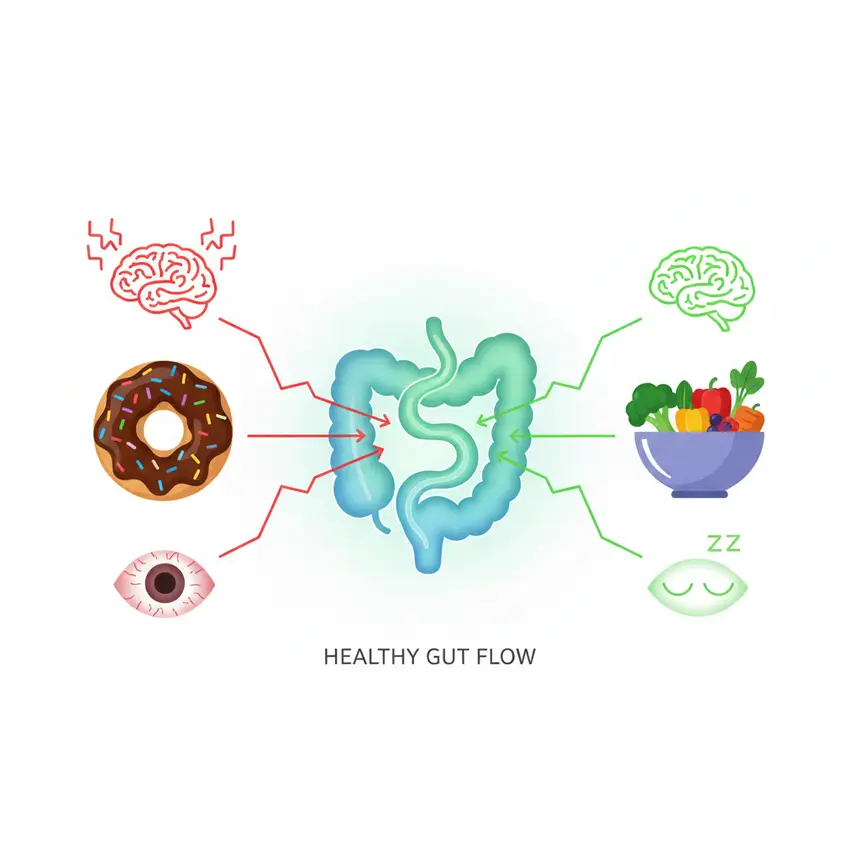
Often called our "second brain," the gut is an incredibly sensitive organ, highly responsive to various external factors. The main culprits behind poor gut health are surprisingly common in our daily lives. Firstly, dietary habits play a monumental role. Foods laden with added sugars, deep-fried items, and artificial additives actively hinder the growth of beneficial gut bacteria while creating a fertile ground for harmful ones. This can weaken the gut lining and trigger inflammatory responses. Secondly, the modern scourges of stress and insufficient sleep are significant enemies of gut health. Stress hormones directly impact gut motility, and an irregular sleep schedule can disrupt the gut's natural rhythm, leading to digestive problems. Thirdly, inconsistent meal times and frequent medication use are also major disruptors of the gut's microbial ecosystem. Certain medications, like antibiotics, can indiscriminately wipe out beneficial bacteria, causing severe damage to gut health. When these various factors combine and upset the delicate balance of gut microbes, digestive issues like indigestion, constipation, and diarrhea tend to recur. Taking a moment to assess your daily food intake and stress levels can be a valuable first step.
※ This post contains affiliate links. I may earn a commission at no extra cost to you.

Smart Choices for Gut Health: Diet and Probiotic Power
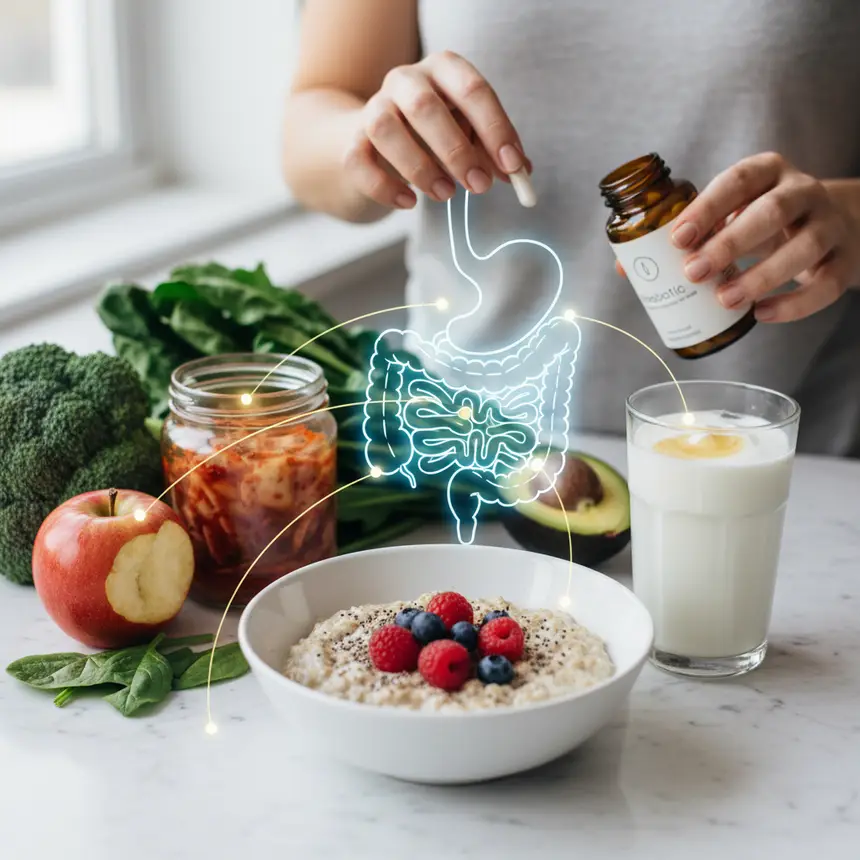
The cornerstone of restoring gut health lies in what we consume and what we supplement. For diet, it's crucial to adequately incorporate whole grains, vegetables, and fruits rich in dietary fiber. For instance, whole grains like brown rice and oats promote healthy bowel movements. Green leafy vegetables such as spinach, broccoli, and kale, along with fruits like apples and bananas, provide abundant prebiotics that serve as vital nourishment for beneficial gut bacteria. Furthermore, fermented foods like kimchi, miso, and yogurt contain natural probiotics, directly aiding in the replenishment of healthy gut flora.
Beyond diet, supplementing with probiotics is often essential. When selecting a probiotic product, several key factors should be considered. First, focus on the "survival rate of the strains." Even the best probiotics are ineffective if they can't survive stomach acid and bile to reach the intestines alive. Look for products that utilize patented coating technologies or enteric-coated capsules. Second, check the "guaranteed colony-forming units (CFU)." It's generally recommended to choose products guaranteeing at least 10 billion CFU of live bacteria until the expiration date, not just at the time of manufacturing. Third, consider "diverse strain composition." A variety of probiotic strains working together can often create a more synergistic and effective outcome. Finally, opt for products with clearly labeled strains so you can choose what best suits your individual needs. Start by adding fiber-rich vegetables and fermented foods to your diet and use these tips when purchasing probiotic supplements.
Beyond diet, supplementing with probiotics is often essential. When selecting a probiotic product, several key factors should be considered. First, focus on the "survival rate of the strains." Even the best probiotics are ineffective if they can't survive stomach acid and bile to reach the intestines alive. Look for products that utilize patented coating technologies or enteric-coated capsules. Second, check the "guaranteed colony-forming units (CFU)." It's generally recommended to choose products guaranteeing at least 10 billion CFU of live bacteria until the expiration date, not just at the time of manufacturing. Third, consider "diverse strain composition." A variety of probiotic strains working together can often create a more synergistic and effective outcome. Finally, opt for products with clearly labeled strains so you can choose what best suits your individual needs. Start by adding fiber-rich vegetables and fermented foods to your diet and use these tips when purchasing probiotic supplements.

A Healthy Gut: The Foundation for a Sustainable Life
Gut health extends far beyond mere digestive function; it is a pivotal factor influencing our overall immunity, skin condition, and even mental well-being. Consistent dietary management combined with appropriate probiotic intake is indispensable for rebuilding a healthy gut microbial environment. While immediate, drastic changes might not be apparent, persistent effort will gradually lead to noticeable improvements in your body. You'll likely find yourself re-establishing regular bowel rhythms, experiencing less post-meal discomfort, waking up feeling more energized, and even noticing a more positive shift in your mood.
Pairing these efforts with consistent lifestyle habits amplifies the benefits. Drinking at least 1.5 liters of water daily is crucial for supporting gut motility and preventing constipation. Regular physical activity, such as light walking or stretching, gently stimulates the gut, helping it maintain healthy movement. Managing gut health is not a sprint, but a marathon. Starting today, by incorporating small, gut-friendly habits, you can embark on a journey to reclaim a comfortable and vibrant life. Aim to drink 1.5 liters of water daily and begin incorporating light walking into your routine.
Pairing these efforts with consistent lifestyle habits amplifies the benefits. Drinking at least 1.5 liters of water daily is crucial for supporting gut motility and preventing constipation. Regular physical activity, such as light walking or stretching, gently stimulates the gut, helping it maintain healthy movement. Managing gut health is not a sprint, but a marathon. Starting today, by incorporating small, gut-friendly habits, you can embark on a journey to reclaim a comfortable and vibrant life. Aim to drink 1.5 liters of water daily and begin incorporating light walking into your routine.
Frequently Asked Questions
Q. When is the best time to take probiotics for maximum effectiveness?
A. Generally, it's recommended to take probiotics after a meal, as this helps buffer them from stomach acid. Taking them with plenty of water after breakfast is often suggested. Taking them on an empty stomach might increase the chance of probiotics being damaged by stomach acid.
Q. Besides beneficial foods, what foods should I avoid for better gut health?
A. For optimal gut health, it's advisable to reduce consumption of processed meats, beverages and desserts high in added sugars, fried foods, artificial sweeteners, and excessive caffeine. These items can promote the growth of harmful gut bacteria and contribute to inflammation.
Q. What is the most important factor to consider when choosing a probiotic supplement?
A. The most crucial factors are the "survival rate of the strains to reach the intestines" and a "guaranteed CFU count of at least 10 billion" until the product's expiration date. Also, look for products that clearly list the specific probiotic strains included.
Q. How long does it typically take to see results from managing gut health?
A. The gut microbiome varies significantly from person to person, so the timeline for feeling effects can differ. Generally, consistent intake and dietary improvements can lead to positive changes within 2 to 4 weeks. However, for long-term benefits, it's important to maintain these practices consistently for at least 3 months or more.