Preparing for conception? Optimizing ovarian function is key. Discover how specific nutrients like DHEA and Inositol can positively impact reproductive health. Get a guide to nutrient intake for a healthy fertility journey.

Starting Your Journey: Hope and Preparation in the Path to Parenthood
For many, the path to parenthood is filled with hope, anticipation, and sometimes, unexpected challenges. When faced with reproductive health concerns, it's natural to wonder, "What more can I do to support my body?" Beyond medical guidance, exploring nutritional support for fertility often becomes a significant part of this journey. It's about empowering your body to be in its best possible state, rather than just following medical protocols. Focusing on ovarian health and overall reproductive wellness through targeted nutrition can be a truly meaningful step.
Understanding the Core: The Crucial Role of Ovarian Function
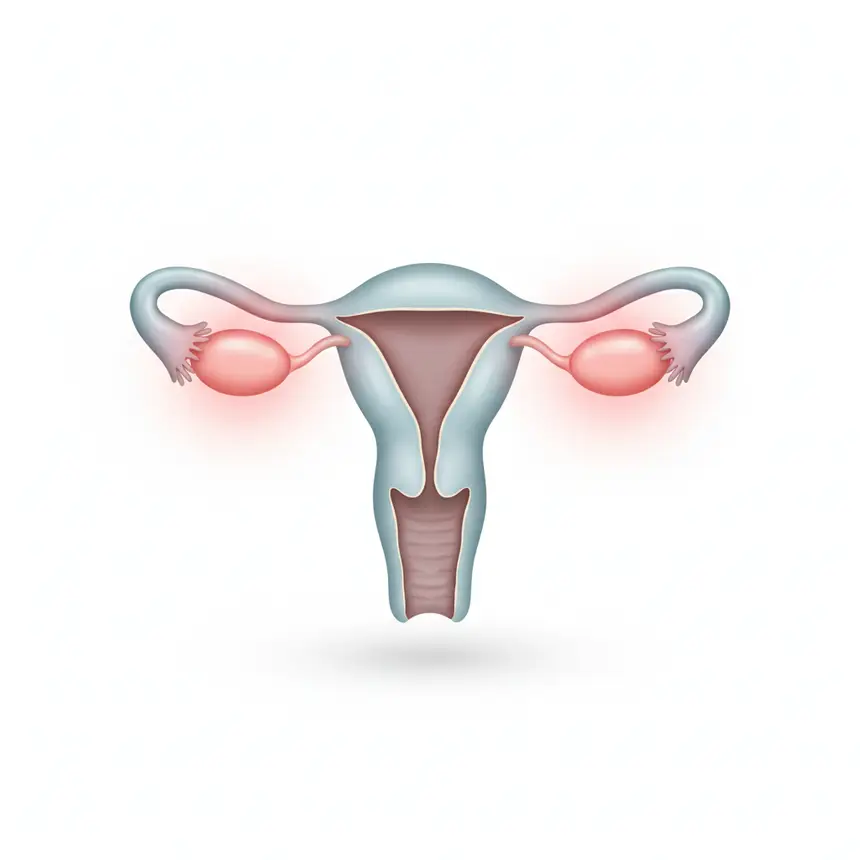
The ovaries are central to female reproductive health, responsible for producing eggs and hormones that regulate the menstrual cycle and fertility. However, factors like age, environmental influences, and lifestyle can lead to diminished ovarian function. This can result in lower egg quality, irregular ovulation, or a reduced number of developing follicles, posing significant hurdles for conception. Addressing these challenges often requires more than just medical intervention; it calls for a holistic approach that supports your body's natural capabilities. If you're experiencing indicators of reduced ovarian reserve, it’s vital to understand these signals and proactively seek ways to provide your body with the necessary support.
※ This post contains affiliate links. I may earn a commission at no extra cost to you.

Key Nutrients for Ovarian Health: Diving into DHEA and Inositol
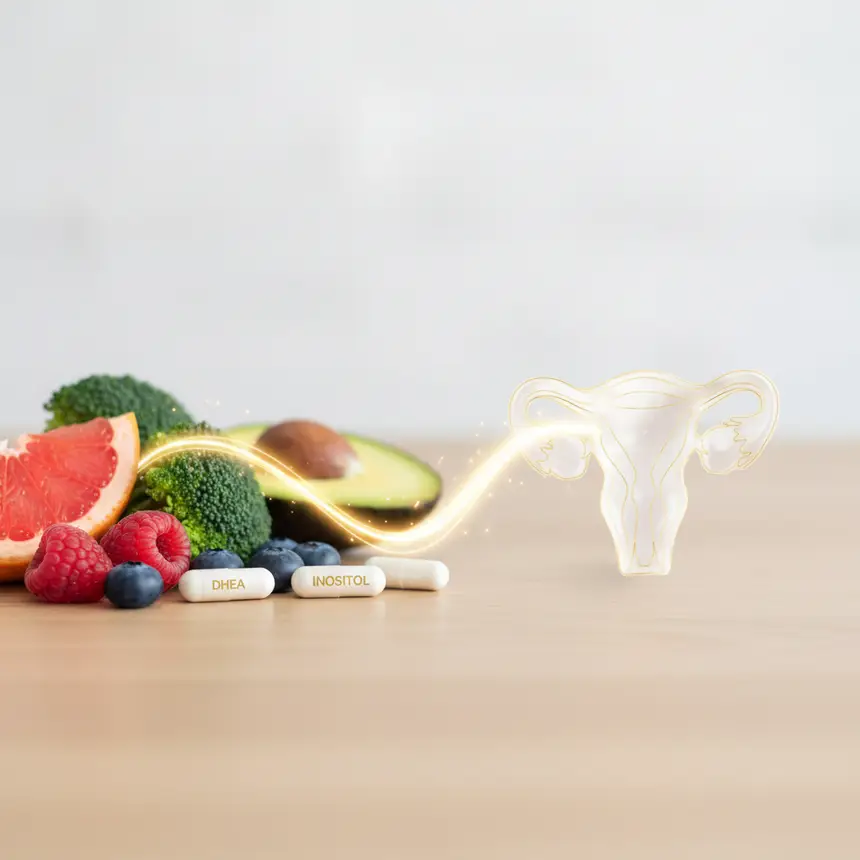
Several nutrients have gained attention for their potential role in supporting ovarian function and optimizing reproductive health. Among them, a specific hormone precursor and a vitamin-like compound show promising research:
- DHEA (Dehydroepiandrosterone): This is a hormone precursor naturally produced in the body, which tends to decline with age. Some studies suggest that DHEA supplementation in women with reduced ovarian function might improve ovarian response and egg quality. This makes it a potential supportive option when preparing for assisted reproductive technologies, especially if ovarian response is low or egg quality needs improvement. Typical discussions around dosage range from 25mg to 50mg daily, but it's crucial to consult with a healthcare professional to determine the appropriate amount for your individual needs.
- Inositol: Often referred to as a "fertility nutrient," inositol is a compound similar to B vitamins. Research indicates it may help improve insulin sensitivity, regulate ovulation cycles, and contribute to better egg quality. It's frequently recommended for women with Polycystic Ovary Syndrome (PCOS) but can also positively impact general ovarian function and ovulatory health. Inositol is generally considered to have a low risk of side effects, making it a widely utilized supplement for reproductive wellness.

Smart Supplementation: Guidelines and Considerations
When incorporating supplements to enhance ovarian function, it’s wise to follow a few key principles:
1. Consult a Professional: Always discuss supplement use with your doctor or a fertility specialist. They can assess your individual health status, current medications, and suitability for specific nutrients. This is especially important for hormone precursors like DHEA, as individual responses can vary.
2. Start Low, Go Slow: Begin with a lower dose and carefully monitor how your body responds. For instance, some individuals might experience mild skin changes like acne early on (within 2-3 weeks) with DHEA. If discomfort persists or worsens, discontinue use and consult your doctor.
3. Holistic Lifestyle: Supplements work best as part of a comprehensive healthy lifestyle. Don't rely solely on them; prioritize a nutritious diet, regular exercise, adequate sleep, and stress management. Supplements are meant to complement these fundamental habits.
4. Consistency is Key: The benefits of nutritional support often unfold gradually. Be patient and consistent with your intake. Focus on long-term wellness rather than expecting immediate results, as the body takes time to adapt and respond.
1. Consult a Professional: Always discuss supplement use with your doctor or a fertility specialist. They can assess your individual health status, current medications, and suitability for specific nutrients. This is especially important for hormone precursors like DHEA, as individual responses can vary.
2. Start Low, Go Slow: Begin with a lower dose and carefully monitor how your body responds. For instance, some individuals might experience mild skin changes like acne early on (within 2-3 weeks) with DHEA. If discomfort persists or worsens, discontinue use and consult your doctor.
3. Holistic Lifestyle: Supplements work best as part of a comprehensive healthy lifestyle. Don't rely solely on them; prioritize a nutritious diet, regular exercise, adequate sleep, and stress management. Supplements are meant to complement these fundamental habits.
4. Consistency is Key: The benefits of nutritional support often unfold gradually. Be patient and consistent with your intake. Focus on long-term wellness rather than expecting immediate results, as the body takes time to adapt and respond.

Supporting Your Fertility Journey: The Power of Proactive Self-Care
The journey toward conception can be emotionally demanding, sometimes feeling isolating or draining. Yet, actively engaging in your health—understanding your body, nourishing it with essential nutrients, and practicing proactive self-care—holds significance beyond just physical effort. It's a powerful act of self-love and a way to cultivate positive energy for the future. Even small efforts can foster a sense of control, peace of mind, and confidence. Incorporating nutrients for ovarian health and reproductive wellness is a vital part of this self-care, adding strength to your precious journey. With professional guidance, make informed choices, stay consistent, and prepare your body for the incredible experience of new life.
Frequently Asked Questions
Q. Is DHEA beneficial for all women trying to conceive?
A. DHEA is generally considered as a supplemental option for women experiencing reduced ovarian function. Its effectiveness can vary based on individual hormonal status and health conditions, so professional consultation before starting is essential.
Q. Can I take Inositol if I don't have Polycystic Ovary Syndrome (PCOS)?
A. Yes, while Inositol is highly recommended for PCOS, women without a PCOS diagnosis can also consider it for general ovarian health support, including cycle regulation and improving egg quality. It's known for its relatively low side effect profile.
Q. Besides supplements, what else can I do for ovarian health?
A. Maintaining a healthy lifestyle is crucial. This includes a balanced diet (reducing refined carbs/processed foods, increasing fresh produce), regular physical activity, sufficient sleep, and effective stress management techniques.
Q. What are common side effects of DHEA supplementation?
A. Some users might experience mild skin issues, like acne or increased oiliness, particularly in the initial weeks (within a few weeks) of DHEA supplementation. If these symptoms occur or persist, it's advisable to adjust the dosage or consult a healthcare professional.
Q. How long does it typically take to see benefits from these nutrients?
A. The timeframe for experiencing benefits varies per individual and goal, but consistent intake over several weeks to a few months is usually required to notice changes. It's important to approach supplementation with a long-term perspective rather than expecting immediate effects.