Worried about your picky eater's nutritional balance? For growing kids, vitamin K isn't just about dosage – absorption and form are key. Discover what to look for when choosing vitamin K for your child and how to integrate it into their daily life.

Navigating Nutritional Concerns for Growing Kids: The Rise of Vitamin K
As parents, we constantly strive to ensure our children grow up healthy and strong. This often involves paying close attention to their nutrition, but it can be overwhelming to decide which supplements genuinely benefit them. A common concern arises when kids are picky eaters or have inconsistent eating habits, leading to worries about potential nutrient gaps. While many used to opt for popular or heavily advertised supplements, there's a growing trend towards more informed choices. With vitamin K now recognized as a vital partner to vitamin D for bone health, many parents are digging deeper into the specifics. It's no longer just about whether a supplement contains vitamin K, but crucially, what type of vitamin K it is and how effectively it can be absorbed and utilized by a child's developing body. This shift reflects a broader parental desire to support their children's overall vitality and well-being, pushing the bar higher for supplement selection.
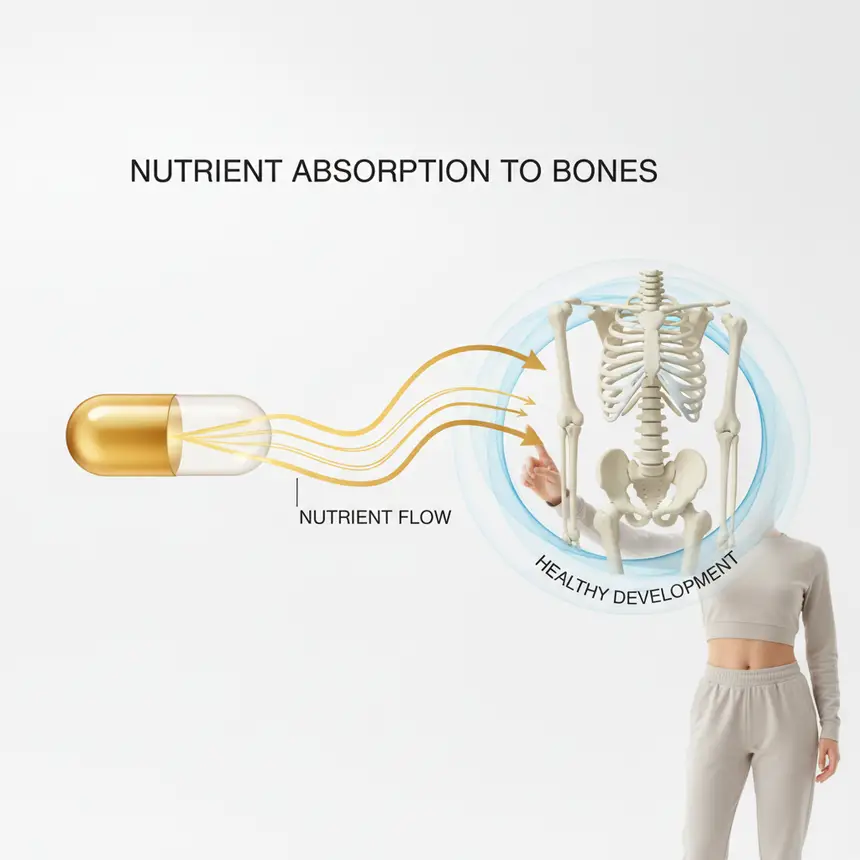
Beyond the Label: Why Vitamin K Absorption Is Critical for Children
When selecting supplements for children, the first thing many parents check is the dosage – "how much" is in it. However, with fat-soluble vitamins like vitamin K, focusing solely on high milligrams can be misleading. The real game-changer is how well the body absorbs and uses the nutrient. Vitamin K comes primarily in two forms: K1 (phylloquinone) and K2 (menaquinone). While K1, found in leafy greens, is crucial for blood clotting, K2 plays a more direct and significant role in bone and cardiovascular health, making it particularly relevant for growing children's skeletal development. Moreover, vitamin D and vitamin K work synergistically. Vitamin D helps the body absorb calcium, but vitamin K acts like a traffic controller, directing that calcium to where it's needed – primarily bones and teeth – and preventing its accumulation in soft tissues. If vitamin K's absorption is poor, or if the wrong form is used, the full benefits of even a calcium-rich diet or vitamin D supplementation might not be realized. Understanding the form of vitamin K, its combination with other nutrients, and its bioavailability is therefore essential.
※ This post contains affiliate links. I may earn a commission at no extra cost to you.


A Parent's Guide: Smart Choices for Kids' Vitamin K Supplements
Choosing the right vitamin K supplement for your child involves several key considerations. First, prioritize source and form. Opt for naturally derived ingredients, such as MK-7 (menaquinone-7) from fermented soybeans, which is known for its superior bioavailability and longer half-life in the body compared to other forms. Second, consider a combination with vitamin D. These two vitamins work in tandem; vitamin D facilitates calcium absorption, while K2 ensures that calcium is properly utilized for bone mineralization, creating a powerful synergy for skeletal health. Third, meticulously check for unnecessary additives. Since this is something your child will take daily, aim for products with minimal artificial colors, flavors, sweeteners, or chemical fillers. Don't just look for "no additives"; scrutinize the actual ingredient list. Fourth, ease of consumption and safety are paramount. Choose a form that your child will readily accept and take consistently, such as chewable tablets, and one that helps prevent accidental overconsumption. Finally, look for supplements that offer transparency in quality control and manufacturing practices – this can give you peace of mind regarding the product's purity and potency.

Maximizing Benefits: The Power of Consistency and Holistic Habits
Once you've started your child on a vitamin K supplement, it's important to remember that supplements work best when integrated with a broader healthy lifestyle, rather than expecting immediate, standalone results. Consistency in intake, paired with positive daily habits, creates the strongest foundation for your child's well-being. Start by establishing a regular sleep routine. Adequate, quality sleep is crucial for growth hormone release and overall bodily repair. Next, focus on providing a diverse and balanced diet. Encourage the consumption of green leafy vegetables and fermented foods, which naturally contain different forms of vitamin K, to complement supplementation. Lastly, ensure your child gets sufficient sunlight exposure and physical activity. Outdoor play aids vitamin D synthesis and promotes strong bone and muscle development. By managing these interconnected aspects – supplementation, sleep, diet, and activity – you create an environment where your child can thrive with increased energy and robust health. While changes may not appear overnight, persistent effort will undoubtedly lead to positive long-term outcomes.
Frequently Asked Questions
Q. Why is vitamin K2 (MK-7) often recommended over K1 for children?
A. While vitamin K1 primarily supports blood clotting, vitamin K2, especially the MK-7 form, plays a more significant role in guiding calcium to bones and preventing its deposit in soft tissues. For growing children's bone health and development, K2 is generally considered more effective.
Q. Is there a specific reason to take vitamin K with vitamin D?
A. Yes, absolutely. Vitamin D promotes calcium absorption, and vitamin K then ensures that this absorbed calcium is properly utilized and integrated into the bones. They are crucial partners in supporting bone health, so taking them together can lead to synergistic benefits.
Q. My child refuses to take vitamin K supplements. What can I do?
A. It's key to find a product with a flavor and form your child enjoys. There are various options like chewable tablets, gummies, or powders that can be mixed into yogurt or drinks. Instead of forcing it, try to make it a positive experience by involving them in the choice or making it a fun part of their routine.
Q. What precautions should I take when giving vitamin K to my child?
A. Always adhere to the recommended dosage on the product label and avoid excessive intake. If your child has any existing health conditions or is taking other medications, it's always safest to consult with a pediatrician or healthcare professional before starting any new supplement.
Q. What foods are rich in vitamin K?
A. Vitamin K1 is abundant in green leafy vegetables like kale, spinach, and broccoli. Vitamin K2 can be found in fermented foods such as natto, some cheeses, and egg yolks. Incorporating these foods into your child's diet is a great way to support their vitamin K intake naturally.