Irregular periods, weight changes, and more can signal Polycystic Ovary Syndrome (PCOS). Discover how to rebalance your hormones and adopt healthy habits to improve your quality of life.

H2. Unpredictable Body Signals: Are You Alone in This?
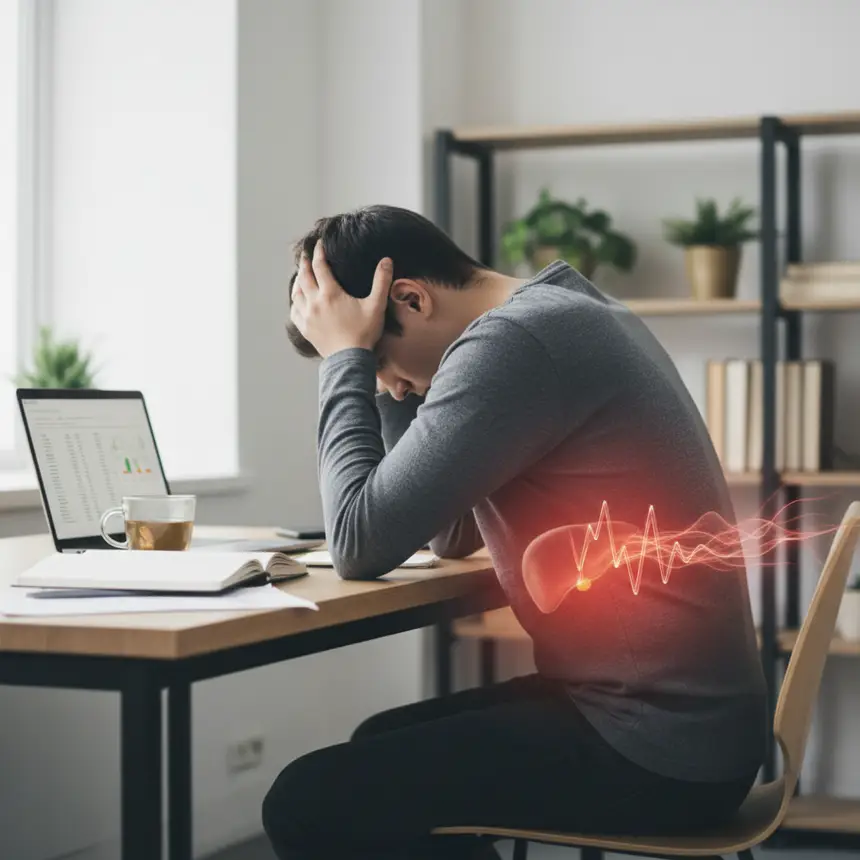
Have you ever experienced sudden shifts in your menstrual cycle, unexpected weight fluctuations, or worsening skin issues? It’s easy to dismiss these changes as temporary stress or a simple dip in your well-being. However, when these signals become persistent or intensify, they might be crucial messages from your body. Polycystic Ovary Syndrome (PCOS) is a common endocrine disorder among women of reproductive age that can impact daily life and future health plans, requiring careful attention. Rather than viewing it solely as a menstrual problem, it's essential to recognize it as a sign of broader systemic imbalance and actively seek management strategies.
H2. Understanding PCOS: What It Is and Why It Happens
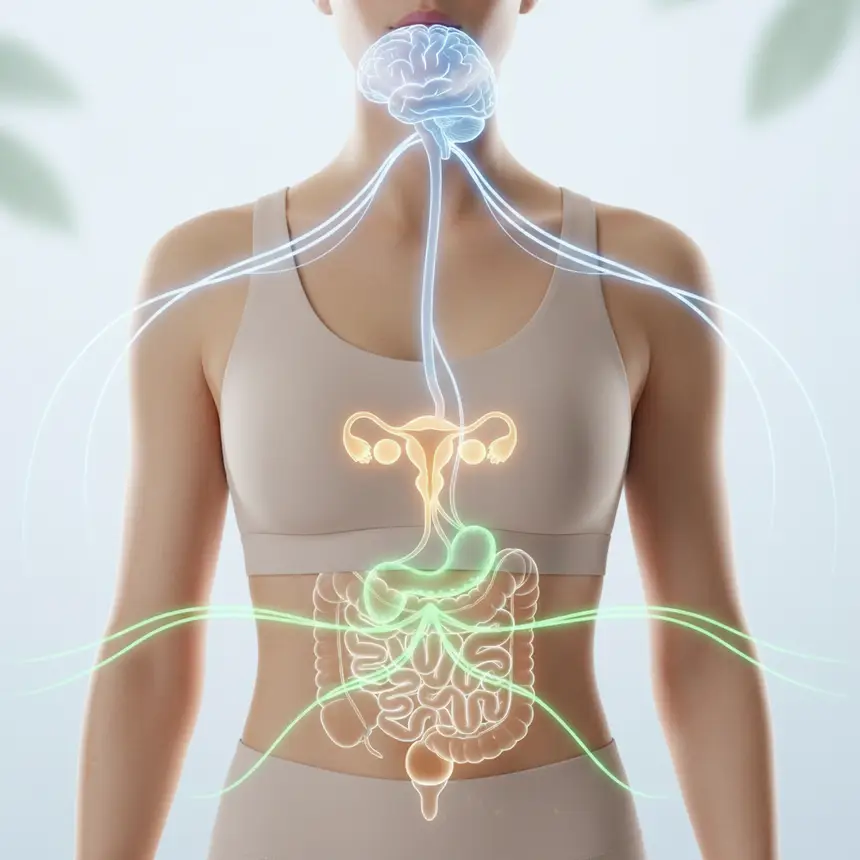
PCOS is characterized by the presence of multiple small follicles in the ovaries and irregular or absent ovulation. In a healthy ovarian cycle, one dominant follicle matures and releases an egg each month. With PCOS, several follicles may start to develop but fail to reach full maturity, remaining as small, immature cysts. This process is closely linked to hormonal imbalances. Disruptions in the delicate hypothalamic-pituitary-ovarian axis can lead to an increase in androgen (male hormone) production, which further hinders ovulation. Additionally, many individuals with PCOS experience insulin resistance, leading to difficulties in blood sugar regulation and metabolic issues like weight gain. It affects about 1 in 10 to 1 in 5 women of reproductive age, highlighting its prevalence. PCOS isn't just a menstrual issue; it can also lead to long-term health concerns like cardiovascular problems or other uterine changes, underscoring the need for comprehensive health management.
※ This post contains affiliate links. I may earn a commission at no extra cost to you.


H2. Practical Steps for Restoring Hormonal Balance
Managing PCOS goes beyond just suppressing symptoms; it focuses on restoring your body's fundamental balance. Here are actionable steps you can integrate into your daily life:
- Balanced Nutrition: Prioritize whole, unprocessed foods like whole grains, vegetables, fruits, and lean proteins. Reduce intake of processed foods and refined sugars. Opting for low-glycemic index foods can help manage insulin resistance and stabilize blood sugar levels.
- Regular Physical Activity: Aim for at least 30 minutes of moderate-intensity exercise most days of the week, combining aerobic activity with strength training. Exercise improves insulin sensitivity and positively impacts weight management.
- Stress Management: Chronic stress can exacerbate hormonal imbalances. Incorporate stress-reducing practices into your routine, such as meditation, yoga, or engaging in hobbies you enjoy.
- Adequate Sleep: Quality sleep of 7-8 hours per night is crucial for hormone regulation. Sleep deprivation can negatively affect insulin resistance and cortisol levels.
H2. Understanding Your Body and Designing a Healthier Future
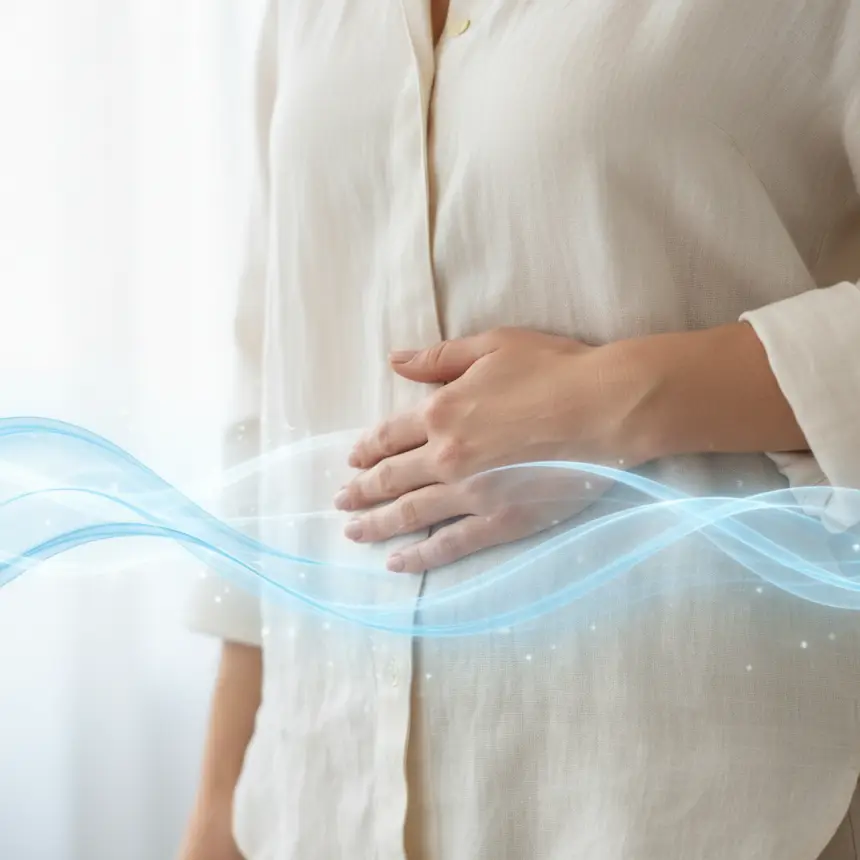
While Polycystic Ovary Syndrome is a complex women's health challenge, there are many aspects that can be effectively managed and improved. The key is to listen to your body's signals and proactively address changes rather than ignoring them. Developing habits like tracking your menstrual cycle and observing subtle shifts in your overall well-being is the first step in effective health management. Beyond your personal efforts, seeking professional guidance to create a personalized management plan optimized for your body's needs is a smart approach. With consistent effort and patience on your journey towards hormonal balance, you can reclaim a healthier, more vibrant life. Start today by fostering a dialogue with your body and laying the groundwork for a healthier future.
Frequently Asked Questions
Q. If I'm diagnosed with PCOS, does that mean I can't get pregnant?
A. PCOS can make conception more challenging due to irregular ovulation, but it certainly doesn't mean it's impossible. Many women with PCOS successfully conceive through active management and efforts to improve ovulatory function. It's crucial to consult with a healthcare provider to find the best approach for your individual situation.
Q. Can lifestyle changes alone manage PCOS?
A. Lifestyle modifications are a cornerstone of PCOS management. Dietary adjustments, regular exercise, and stress management significantly help restore hormonal balance and alleviate symptoms. However, depending on the severity of individual symptoms, additional professional support may be necessary. It's best to consult a healthcare provider to develop a comprehensive management plan tailored to you.
Q. Does an irregular menstrual cycle always mean I have PCOS?
A. While irregular menstrual cycles are a primary symptom of PCOS, they can also be caused by various other factors, such as stress, sudden weight changes, or thyroid imbalances. To determine the exact cause, it's essential to get a diagnosis and undergo examination by a healthcare professional.