Skin concerns, especially breakouts, often stem from more than just topical issues. Discover the essential nutrients and lifestyle habits crucial for maintaining healthy skin and managing blemishes, with practical tips for a clearer complexion.

Unlocking the Roots of Your Skin Concerns
Catching sight of an unexpected breakout or dullness in the mirror can often lead to frustration and a puzzling question: "Why is this happening to my skin?" Our skin is far more than just our outer appearance; it's a vital protective barrier constantly battling external aggressors. Factors like environmental pollutants, UV radiation, daily stress, and crucially, our dietary choices and lifestyle habits, all intricately influence its well-being. Understanding that balanced nutrient intake is paramount for building the skin's inherent strength and managing various blemish-related issues is the first step toward achieving a clear, healthy complexion. Moving beyond superficial treatments to nourish your skin from within is key.
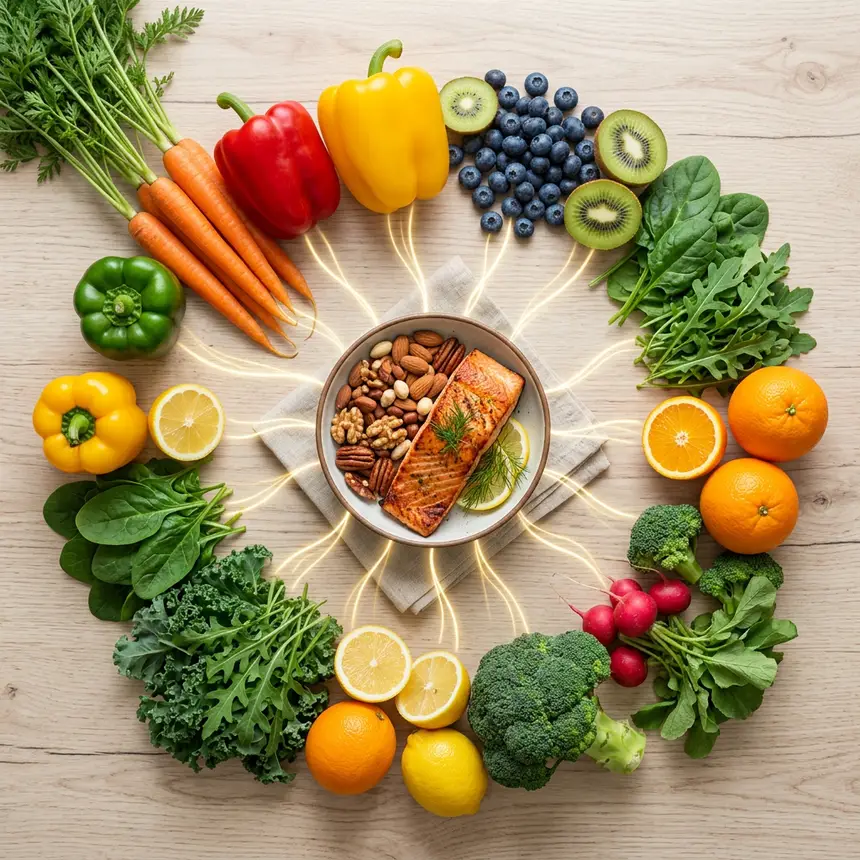
Essential Nutrients for a Stronger Skin Barrier
To maintain optimal skin health, a harmonious intake of diverse nutrients is indispensable. Specifically, the following nutrients play a comprehensive role, contributing to everything from cellular regeneration to protection and effective blemish management. They are foundational elements for a skin-friendly diet:
Consuming these nutrients in a balanced manner goes beyond mere aesthetics; it's about optimizing the skin's inherent functions and enhancing its resilience against external aggressors.
- Vitamin A: Deeply involved in skin cell differentiation and turnover, it helps maintain a smooth skin texture. A deficiency can lead to dry, flaky, and generally rough skin. When consumed as beta-carotene, abundant in orange vegetables, it converts to Vitamin A in the body.
- B Vitamins: Crucial for regulating the skin's oil-water balance and maintaining a healthy skin barrier. Insufficient intake can manifest as reddish breakouts around the mouth or nose, or a generally tired and dull complexion. These can be sourced from whole grains and legumes.
- Vitamin C: A powerful antioxidant that protects skin cells from free radical damage and boosts collagen synthesis, vital for skin elasticity and vitality. It also helps inhibit melanin production, contributing to a brighter skin tone. It can even help neutralize chlorine compounds in swimming pools, making it beneficial after sun exposure during summer months.
- Vitamin E: Prevents lipid oxidation, maintaining the stability of cell membranes, and helps protect the skin from environmental damage. Adequate intake enhances the skin's moisture retention and barrier function, effectively reducing dryness and dullness.
- Zinc: An important mineral that aids in the skin's healing processes and helps regulate inflammatory responses. Appropriate zinc intake can positively impact the management of skin concerns like breakouts and strengthen skin immunity.
- Omega-3 Fatty Acids: Play a significant role in modulating inflammatory responses in the skin and improving hydration, thereby fostering a healthy skin environment. They are particularly beneficial for dry, itchy, or sensitive skin.
- Probiotics: Research increasingly highlights the close connection between gut health and skin health. A thriving gut microbiome can reduce skin inflammation and contribute to overall skin condition improvement.
Consuming these nutrients in a balanced manner goes beyond mere aesthetics; it's about optimizing the skin's inherent functions and enhancing its resilience against external aggressors.
※ This post contains affiliate links. I may earn a commission at no extra cost to you.


Practical Dietary and Lifestyle Habits for Optimal Skin Health
The journey to healthy skin begins with small, consistent changes in your daily routine. Even amidst a busy modern lifestyle, a few achievable practices can help you cultivate a clear and resilient complexion:
Your skin is a vital reflection of your internal health. By embracing a balanced diet and healthy lifestyle habits starting today, you can cultivate skin that radiates beauty from within.
- Eat a Rainbow of Fruits and Vegetables: Incorporate a variety of colorful fruits and vegetables into your daily diet. For instance, add a salad to every meal or snack on berries, kiwi, and oranges to ensure ample intake of Vitamin C and antioxidants. For beta-carotene-rich carrots, their absorption rate increases when lightly sautéed in oil or steamed, rather than eaten raw.
- Prioritize Quality Proteins and Fats: Consistently consume foods rich in zinc and omega-3 fatty acids, such as fish (mackerel, salmon), legumes, oysters, and chicken. While nuts are an excellent source of Vitamin E, it's crucial to consume them in moderation due to their caloric density. Opt for healthy fats like olive oil or avocado oil instead of processed vegetable oils.
- Include Probiotics: Integrate fermented foods like yogurt, kimchi, and miso into your diet to support gut health, which in turn can positively influence your skin's condition.
- Stay Adequately Hydrated: Drink at least eight glasses of water daily to aid in flushing out bodily toxins and maintaining skin hydration. Dehydrated skin can be a precursor to various issues.
- Manage Stress and Ensure Sufficient Sleep: Stress can adversely affect skin, and lack of sleep hinders its regenerative processes. Practice stress-reducing activities like regular breaks, meditation, and light exercise, and aim for 7-8 hours of quality sleep each night.
Your skin is a vital reflection of your internal health. By embracing a balanced diet and healthy lifestyle habits starting today, you can cultivate skin that radiates beauty from within.
Frequently Asked Questions
Q. I frequently experience breakouts; which nutrients should I prioritize?
A. Breakouts are often closely linked to inflammatory responses, so prioritizing nutrients that help regulate skin inflammation and support healing, such as zinc and omega-3 fatty acids, can be beneficial. Additionally, Vitamin A, involved in skin cell regeneration, and Vitamin C, for its antioxidant effects, can be consumed alongside. Consulting with a healthcare professional to tailor a diet plan is often the most effective approach.
Q. I eat skin-friendly foods, but I don't see much change. Why might this be?
A. Skin health is influenced by overall lifestyle habits, not just diet alone. Factors like adequate sleep, stress management, regular exercise, and proper cleansing routines must also be in place to create a synergistic effect. Furthermore, the type and quantity of nutrients needed can vary based on individual skin type or internal health conditions, so consistent observation and adjustment are important.
Q. Are vitamin supplements more effective than getting nutrients from food?
A. Obtaining nutrients from whole foods is generally considered ideal. Foods contain various nutrients along with other beneficial phytochemicals that work synergistically. Supplements are best used to complement a balanced diet where deficiencies might exist. If you suspect a specific nutrient deficiency, it's advisable to consult with a healthcare professional before taking supplements.
Q. What foods should I avoid when I'm experiencing severe skin breakouts?
A. While individual responses vary, highly processed foods rich in sugar, foods high in saturated or trans fats, and some dairy products are commonly believed to exacerbate skin breakouts. It's recommended to observe how your body reacts to specific foods and consider reducing their intake when you're experiencing severe skin issues.