Did you know indoor humidity management is directly linked to your health? Discover the science behind silica gel dehumidifiers, efficient regeneration methods, and practical tips for creating a comfortable environment throughout your home. Say goodbye to mold and musty odors for a fresher living space.

Indoor Humidity: An Overlooked Foe to Health and Home Comfort
Given the climatic conditions in many regions, especially during humid summers or seasons with limited ventilation, indoor humidity levels can quickly skyrocket. High humidity isn't just about feeling sticky and uncomfortable; it paves the way for a host of problems. For instance, it actively encourages the proliferation of airborne mold spores, which can trigger allergies and respiratory discomfort. Mold can also visibly manifest on walls and furniture, severely degrading your living space. Furthermore, clothing and bedding can develop a damp, musty odor, and valuable documents or leather goods face an increased risk of damage. Statistics indicate that over 60% of households contend with issues stemming from indoor humidity. These problems don't just impact your health directly; they can significantly diminish your overall quality of daily life. Therefore, proactive humidity management should be considered an essential part of household maintenance, not merely an option. Areas like bathrooms, closets, and shoe cabinets, where moisture tends to linger, require particularly diligent attention.
Reusable Silica Gel Dehumidifiers: Smart Solutions for Efficiency and Economy
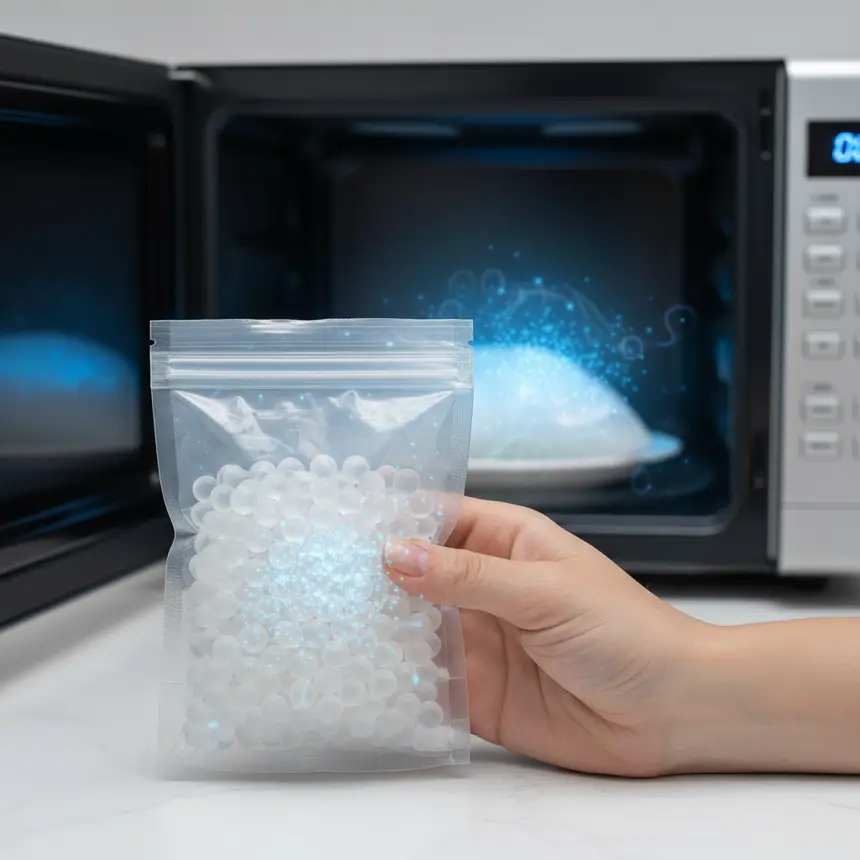
Among the various strategies to combat moisture issues, silica gel dehumidifiers stand out for their exceptional efficiency and cost-effectiveness. Silica gel, an amorphous and porous form of silicon dioxide, functions by drawing moisture into its intricate network of microscopic pores. Much like a sponge absorbing water, the vast internal surface area and capillary action within the silica gel effectively trap water vapor from the surrounding air. This physical adsorption method is generally considered safer and more eco-friendly compared to chemical-reaction based dehumidification. A major advantage of silica gel dehumidifiers is their reusability. When the gel becomes saturated and its dehumidifying power wanes, it can be easily restored to its original efficacy by simply drying it in the sun or microwaving it. For example, typical-sized silica gel packs can be regenerated in a microwave in about 3 minutes, while larger units might take around 6 minutes. This simple regeneration process allows for up to 40 reuse cycles, making them far more economical than single-use alternatives in the long run and significantly reducing household waste.
※ This post contains affiliate links. I may earn a commission at no extra cost to you.


Practical Ways to Boost Your Home's Comfort with Silica Gel Dehumidifiers
Silica gel dehumidifiers are incredibly versatile and can dramatically improve moisture control throughout your home. Start by placing them inside your bathroom towel cabinets, especially in bathrooms with poor ventilation. This helps significantly reduce that unpleasant musty smell on towels and keeps them feeling fresh and dry. They’re also great under sinks or in laundry rooms where moisture is common. Next, shoe cabinets are notorious for trapping dampness, leading to shoe damage and odors. A silica gel pack placed in the cabinet, or even directly inside shoes, can protect leather and fabric footwear from moisture, keeping them fresh and well-preserved. Furthermore, placing them in closets, drawers, or storage bins for seasonal clothing effectively prevents musty odors and inhibits mold growth, thereby protecting your garments. This is particularly beneficial for delicate fabrics, designer wear, and leather goods. Since silica gel dehumidifiers are solid, there's no risk of leaks, making them safe for use anywhere, and their discreet designs blend seamlessly into any living space. Take a moment to survey the damp spots in your home today and integrate silica gel dehumidifiers to foster a healthier, more refreshing living environment. Remember, consistent management through regular regeneration is key to their effectiveness.
Frequently Asked Questions
Q. How do I know when to reactivate my silica gel dehumidifier?
A. Silica gel typically indicates its moisture absorption level through a color change. Blue silica gel turns pink when saturated with moisture, while orange silica gel often turns green. When you observe this color shift, it's time to reactivate it for continued use.
Q. Are there other ways to regenerate silica gel besides microwaving?
A. Yes, you can place it in direct sunlight for half a day or more, or simply air-dry it in a well-ventilated, shaded area. While these methods may take longer due to lower temperatures, they are energy-free and environmentally friendly. Using a low-temperature oven or a hairdryer can also work, provided you dry it slowly and carefully.
Q. Is it safe to use silica gel dehumidifiers with food storage?
A. While certain types of silica gel are specifically processed and certified for food contact (food-grade desiccants), general household dehumidifiers are not typically designed for direct contact with food. It's crucial to check the product's specifications and ensure you're using a food-safe grade if it will be near edibles.
Q. What precautions should I take when using silica gel dehumidifiers?
A. Although silica gel is non-toxic, avoid direct contact with the beads or tearing open the pouches to prevent fine particles from being inhaled. When regenerating, avoid excessive heating, as this can damage the product or pose a fire risk. Always follow the manufacturer's recommended heating times and methods (e.g., using a microwave-safe container).