Struggling with chronic digestive issues and persistent fatigue? Leaky Gut Syndrome might be the culprit. Discover how a compromised gut barrier affects your entire body and learn actionable steps for a healthier gut.

Unexplained Ailments? Your Gut Might Be Sending Signals
Many of us silently endure a host of chronic discomforts that are hard to pinpoint. Perhaps you frequently experience bloating and gas, or dread bathroom trips due to a relentless cycle of constipation and diarrhea. But what if these digestive troubles are accompanied by constant tiredness, brain fog, stubborn skin breakouts, or even joint stiffness? While these varied symptoms might seem unrelated, they often originate from a central hub in our body: the gut. Specifically, the health of our small intestine plays a much broader role in our overall bodily functions than commonly realized. The symptoms you see on the surface could be just the tip of the iceberg, with the root cause stemming from an impaired gut barrier function, commonly known as "Leaky Gut Syndrome." Let's explore the critical importance of gut health, extending beyond simple digestion, and understand why we need to pay closer attention to the signals our bodies send.
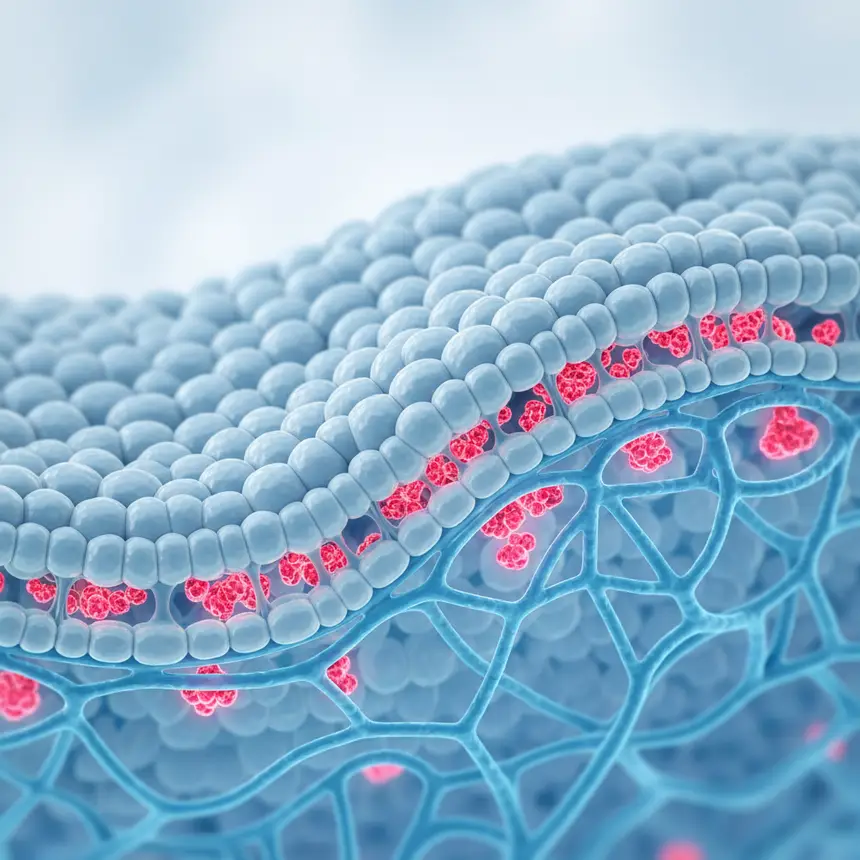
Leaky Gut Syndrome: When Your Health's Balance Seeps Away
At the core of our immune system and nutrient absorption lies the small intestine. Its inner lining is covered with tiny finger-like projections called villi, whose cells are tightly connected, performing a dual role: preventing harmful substances from entering the bloodstream while efficiently absorbing nutrients. Think of it as a finely woven filter. However, due to various factors, if these connections in the small intestinal wall loosen or become damaged, microscopic holes can form in this filter. This condition, where the gut lining becomes permeable, allowing undigested food particles, toxins, and bacteria to directly enter the bloodstream, is termed "Leaky Gut Syndrome." In response to these intruders, our body mounts an excessive immune reaction, leading to inflammation that doesn't just stay in the gut but can spread systemically. This gut barrier damage is increasingly common due to modern lifestyle factors like irregular eating habits, chronic stress, an imbalance of beneficial and harmful gut microbes, and long-term use of certain medications (such as antibiotics, NSAIDs, and proton pump inhibitors). Persistent leaky gut can lead to a state of chronic inflammation, contributing to a wide range of health issues like autoimmune conditions, allergies, skin problems, chronic fatigue, and even cognitive decline.
※ This post contains affiliate links. I may earn a commission at no extra cost to you.


Everyday Wisdom for Rebuilding a Healthy Gut Barrier
Restoring a damaged gut barrier and normalizing gut function is the foundational step towards improving overall health. This requires a multi-pronged approach focusing on key areas:
- Dietary Management: Prioritize foods rich in nutrients that support gut healing. It's wise to limit or avoid foods that can trigger gut inflammation, such as processed foods, refined sugars, artificial additives, and for some, gluten and dairy. Instead, focus on fresh vegetables and fruits, quality proteins (like fish and lean meats), and healthy fats (avocado, olive oil) that aid digestion and protect the gut lining. Fermented foods like kimchi, sauerkraut, and yogurt are particularly beneficial as they supply beneficial bacteria, improving the gut environment.
- Stress Management: The gut and brain are intimately connected via the "gut-brain axis," meaning stress directly impacts gut function. Finding and consistently practicing stress-relief techniques that work for you, such as meditation, yoga, deep breathing exercises, or engaging in hobbies, is crucial.
- Gut-Healing Nutrients: Certain nutrients can significantly aid in repairing a damaged gut lining:
- L-Glutamine: A primary fuel source for gut cells, essential for the regeneration of the intestinal lining.
- Collagen: A major component of the gut wall, helping maintain its elasticity and structural integrity. It can be obtained through natural foods like bone broth or supplemented.
- Probiotics and Prebiotics: Essential for balancing beneficial bacteria and feeding them with fiber, these are crucial for creating a healthy gut environment. Incorporating a variety of probiotic strains and dietary fibers is recommended.

Small Daily Changes, Big Long-Term Differences
Transforming your gut health doesn't require drastic overhauls. A collection of small, consistent daily habits can lead to significant long-term benefits. Consider incorporating the following routines to build your personalized path to gut wellness:
1. Reimagine Your Breakfast: Your first meal sets the tone for the day. Aim for nutrient-dense options that are gentle on your gut, like fruit and vegetable smoothies or oatmeal topped with seeds and nuts. Starting your day with a glass of warm water on an empty stomach can also help stimulate bowel movements.
2. Mindful Eating: Avoid distractions like phones or TV during meals. Focus on your food, eating slowly and chewing thoroughly. Proper chewing aids digestion and reduces the burden on your gut.
3. Hydration is Key: Drinking at least eight glasses of water daily is crucial for smooth bowel function and preventing constipation. Opt for lukewarm water over ice-cold beverages.
4. Regular Movement: Instead of intense workouts, consistent physical activity like brisk walking, stretching, or yoga positively impacts gut health. These activities can stimulate gut motility and help manage stress.
5. Adequate Sleep: Sleep is your body's time for repair, and it's vital for gut health. Aim for 7-8 hours of quality sleep each night. Reducing screen time before bed and creating a relaxing sleep environment can make a big difference.
1. Reimagine Your Breakfast: Your first meal sets the tone for the day. Aim for nutrient-dense options that are gentle on your gut, like fruit and vegetable smoothies or oatmeal topped with seeds and nuts. Starting your day with a glass of warm water on an empty stomach can also help stimulate bowel movements.
2. Mindful Eating: Avoid distractions like phones or TV during meals. Focus on your food, eating slowly and chewing thoroughly. Proper chewing aids digestion and reduces the burden on your gut.
3. Hydration is Key: Drinking at least eight glasses of water daily is crucial for smooth bowel function and preventing constipation. Opt for lukewarm water over ice-cold beverages.
4. Regular Movement: Instead of intense workouts, consistent physical activity like brisk walking, stretching, or yoga positively impacts gut health. These activities can stimulate gut motility and help manage stress.
5. Adequate Sleep: Sleep is your body's time for repair, and it's vital for gut health. Aim for 7-8 hours of quality sleep each night. Reducing screen time before bed and creating a relaxing sleep environment can make a big difference.

Gut Health: Beyond Digestion to Reclaiming Life's Vitality
You've now understood that Leaky Gut Syndrome extends beyond simple indigestion, potentially impacting your entire system with chronic fatigue, skin issues, and reduced immunity. Our small intestine is not merely a digestive organ; it's a critical defense line that protects us from external harmful substances and regulates immune balance. Therefore, nurturing your gut health is a significant investment that fundamentally improves your quality of life, rather than just alleviating temporary symptoms. Small efforts like choosing a healthy diet, managing stress, supplementing with appropriate nutrients, and maintaining regular lifestyle habits can collectively repair a damaged gut barrier and optimize gut function. When your gut feels comfortable, your entire body feels at ease, your energy levels surge, and your mind becomes clearer. From this moment on, pay attention to your gut health and actively manage it to enjoy a more vibrant and healthy life.
Frequently Asked Questions
Q. What symptoms can Leaky Gut Syndrome cause?
A. Leaky Gut Syndrome can cause digestive symptoms like indigestion, bloating, gas, constipation, or diarrhea. Beyond that, it can also lead to systemic issues such as chronic fatigue, poor concentration, headaches, skin problems, joint discomfort, and allergies.
Q. What dietary changes are recommended to improve Leaky Gut Syndrome?
A. To improve leaky gut, it's beneficial to reduce consumption of inflammatory foods like processed items, sugar, gluten, and dairy. Instead, focus on a whole-foods diet rich in fresh vegetables, fruits, healthy proteins, fats, and fermented foods.
Q. How is Leaky Gut Syndrome typically diagnosed?
A. It can be challenging to diagnose with standard blood tests or endoscopies. Specialized functional medicine tests, such as intestinal permeability tests, food sensitivity assessments, gut microbiome analysis, and urine organic acid tests, can indirectly evaluate the state of the gut barrier and its function.
Q. What lifestyle habits support gut health?
A. Regular meal times, adequate hydration, stress management (meditation, yoga), regular moderate exercise, and 7-8 hours of quality sleep are essential lifestyle habits for maintaining and restoring gut health.
Q. Are there any specific nutrients that help with Leaky Gut Syndrome management?
A. L-Glutamine is crucial for regenerating gut cells, and collagen contributes to strengthening the gut barrier structure. Additionally, probiotics and prebiotics can help establish a healthy gut microbiome, supporting the recovery of gut barrier function.