Understand the early signs of poor blood circulation, analyze its main causes, and discover practical ways to improve it through diet, exercise, and nutritional support. Get guidelines for healthier blood flow.

H2: Your Body's Subtle Whispers: Early Clues of Circulation Problems
Our bodies are intricate networks, and when blood doesn't flow smoothly from the heart to every extremity, we can experience a variety of discomforts. Poor blood circulation, in particular, can significantly reduce your quality of life, often presenting with early signs easily mistaken for simple fatigue or stress. Overlooking these subtle signals could lead to more serious health issues down the line, making it crucial to pay close attention.
Among the most common early indicators are tingling and coldness in the hands and feet. If you frequently experience cold or numb sensations in your extremities, even when it's not cold outside, it could be a significant sign of impaired blood flow. Furthermore, if your legs feel heavy or fatigued after minimal activity, or if you experience recurrent dizziness, headaches, or swelling in your face or limbs, these symptoms should not be ignored. A paler or bluish tint to your skin can also hint at circulatory issues. If these symptoms persist or concentrate on one side of your body, seeking professional advice is recommended.
Among the most common early indicators are tingling and coldness in the hands and feet. If you frequently experience cold or numb sensations in your extremities, even when it's not cold outside, it could be a significant sign of impaired blood flow. Furthermore, if your legs feel heavy or fatigued after minimal activity, or if you experience recurrent dizziness, headaches, or swelling in your face or limbs, these symptoms should not be ignored. A paler or bluish tint to your skin can also hint at circulatory issues. If these symptoms persist or concentrate on one side of your body, seeking professional advice is recommended.
H2: The Obstacles to Smooth Flow: Unpacking the Causes of Poor Circulation
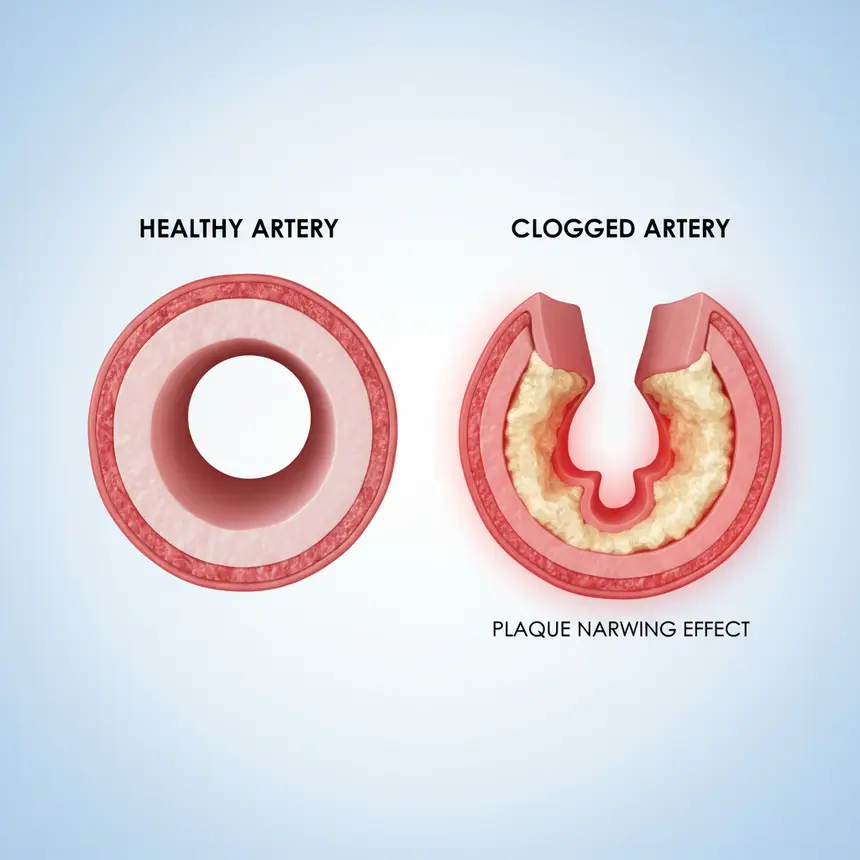
The primary reason for inefficient blood circulation often stems from an excessive buildup of fatty substances, such as cholesterol and triglycerides, within the blood vessels. This buildup causes the vessels to narrow and harden, much like rust accumulating in a water pipe and restricting water flow. These changes diminish the elasticity of your blood vessels and slow down blood movement, thereby hindering the crucial delivery of oxygen and nutrients to various parts of your body.
Individuals over 40 are particularly susceptible to these issues due to natural vascular aging. Statistics showing that over 30% of adults in some regions experience lipid metabolism disorders like high cholesterol underscore this risk. Lifestyle factors such as poor dietary habits, smoking, lack of physical activity, and excessive alcohol consumption are significant contributors to vascular damage. Maintaining triglyceride levels below 150 mg/dL and LDL cholesterol below 130 mg/dL is a key goal for healthy blood vessels, making regular monitoring and management of these levels essential.
Individuals over 40 are particularly susceptible to these issues due to natural vascular aging. Statistics showing that over 30% of adults in some regions experience lipid metabolism disorders like high cholesterol underscore this risk. Lifestyle factors such as poor dietary habits, smoking, lack of physical activity, and excessive alcohol consumption are significant contributors to vascular damage. Maintaining triglyceride levels below 150 mg/dL and LDL cholesterol below 130 mg/dL is a key goal for healthy blood vessels, making regular monitoring and management of these levels essential.
※ This post contains affiliate links. I may earn a commission at no extra cost to you.


H2: Smart Daily Choices for a Healthy Blood Flow
Improving and preventing circulation problems requires a comprehensive approach, integrating practical methods into your daily routine. Maintaining healthy blood vessels is rarely achievable through a single effort.
- Dietary Adjustments: Reduce your intake of fried foods and processed meats high in saturated and trans fats. Instead, opt for healthy fats found in fatty fish rich in Omega-3s, nuts, and olive oil. Consuming plenty of fiber-rich fruits and vegetables can also aid in managing blood cholesterol levels.
- Regular Exercise: Engaging in at least 30 minutes daily of aerobic activities like brisk walking, swimming, or cycling is highly effective in promoting blood circulation and maintaining vascular elasticity. Research indicating that a mere 5% reduction in body weight can lead to an average 20% decrease in triglyceride levels highlights the profound importance of exercise.
- Quit Smoking and Moderate Alcohol: Smoking directly constricts blood vessels and damages vessel walls, making it a primary culprit. Excessive alcohol consumption elevates triglyceride levels and should be avoided.
- Nutritional Support: Consider supplementing with nutrients that might be lacking in your diet. For instance, Omega-3 fatty acids (especially the highly absorbable rTG form) are known to help improve blood triglyceride levels and circulation. Red yeast rice, containing monacolin K, can aid in improving blood cholesterol. Coenzyme Q10 offers antioxidant benefits for vascular health and may help in reducing blood pressure. These supplements can be considered based on individual needs and professional advice.

H2: The Lifeline of Health: Sustained Attention to Circulation
Poor blood circulation is more than just an inconvenience; it's a significant health concern that can impact the health of our vital organs. Fortunately, by recognizing the problem early and committing to consistent management, it can be significantly improved and even prevented. Blood circulation is akin to our body's lifeline, making it paramount to pay close attention to keeping this flow unobstructed.
Starting today, embark on small changes: adopt a healthier diet, engage in daily physical activity, and maintain lifestyle habits that promote vascular health. These collective efforts will eventually build a strong foundation for a more vibrant and healthier life. Listen to your body's signals, and don't hesitate to invest in healthy circulation to experience energetic days. Remember, small changes in habits can make a huge difference in your overall well-being.
Starting today, embark on small changes: adopt a healthier diet, engage in daily physical activity, and maintain lifestyle habits that promote vascular health. These collective efforts will eventually build a strong foundation for a more vibrant and healthier life. Listen to your body's signals, and don't hesitate to invest in healthy circulation to experience energetic days. Remember, small changes in habits can make a huge difference in your overall well-being.
Frequently Asked Questions
Q. What are the risks of ignoring poor blood circulation?
A. If poor circulation persists for an extended period, blood vessels can narrow further, increasing the risk of blood clot formation. This can lead to serious conditions like cardiovascular events or cerebrovascular problems. According to the American Heart Association, a significant number of patients with cardiovascular issues showed abnormal cholesterol levels prior to diagnosis.
Q. Can existing circulation problems be fully reversed?
A. If blood vessels are already significantly hardened, complete reversal might be challenging. However, through consistent lifestyle changes and ongoing management, it's definitely possible to slow down progression and alleviate symptoms. Triglyceride levels, in particular, can show positive changes within weeks of lifestyle modifications.
Q. Does tingling in hands and feet always mean a circulation issue?
A. No, tingling in the hands and feet can have various causes. It might be due to peripheral nerve problems, nutrient deficiencies, or even musculoskeletal issues like a herniated disc in the neck or back. However, if tingling and coldness occur simultaneously in both hands and feet and persist, it's crucial to suspect poor circulation and seek a professional diagnosis.
Q. What foods are particularly beneficial for circulation?
A. Fatty fish (like salmon, mackerel), olive oil, nuts, onions, and garlic are recommended as they contain compounds beneficial for blood circulation. Conversely, it's best to reduce consumption of fatty cuts of meat, butter, and processed foods that are high in saturated fats. A balanced diet, along with considering nutritional supplements when needed, is most effective.