Explore the critical role of manganese, an essential trace mineral, in human health, delving into its impact on energy metabolism, bone health, and antioxidant functions. Discover effective dietary strategies and intake methods using manganese-rich foods to maintain vibrant health and vitality.

Manganese: A Crucial Player in Your Body's Internal Harmony
Our bodies are complex machines that rely on a diverse array of micronutrients to function optimally. Among these, manganese, often overlooked, stands as an essential trace mineral, playing a pivotal role in countless biological processes. From supporting brain function and stabilizing the nervous system to building a robust antioxidant defense system, manganese's contributions are far-reaching. Recent scientific insights are increasingly highlighting this minute element's deep involvement in cellular energy production and bone integrity, underscoring its positive impact on overall physical vitality. In an era where the importance of a balanced diet is continually emphasized globally, ensuring an adequate supply of essential minerals like manganese forms the bedrock of a healthy life. Cultivating a habit of consistent manganese intake through your diet is a fundamental step towards helping your body's crucial systems operate smoothly and efficiently.
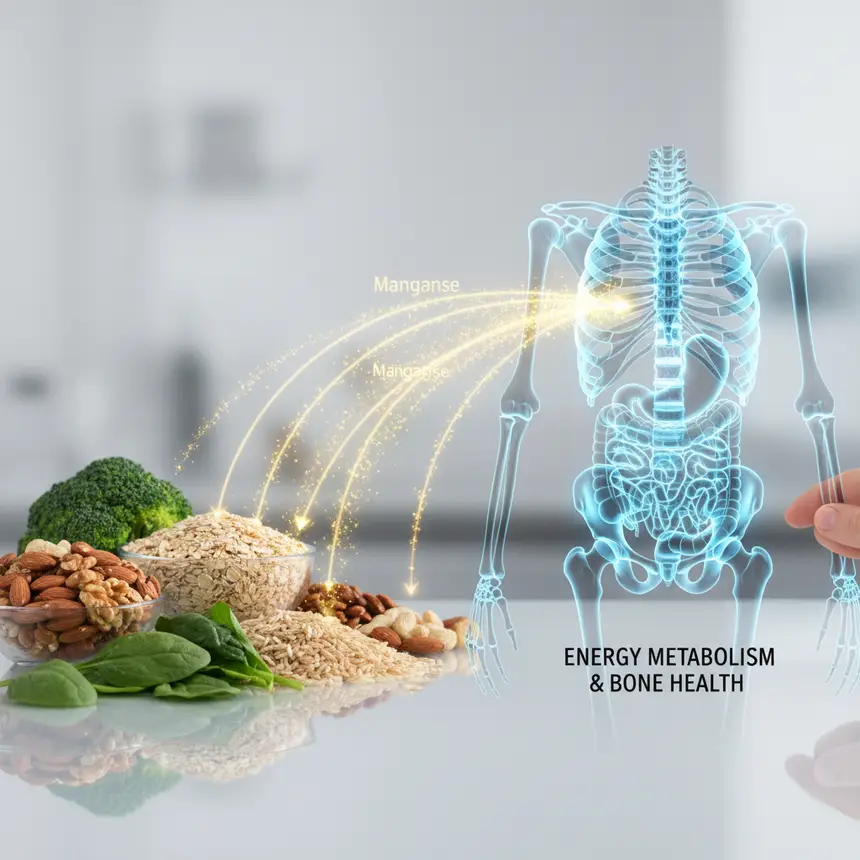
Understanding Manganese's Key Roles and Optimal Intake Methods
Within our bodies, manganese acts as a critical cofactor, indispensable for numerous enzymatic reactions, including those vital for energy generation and the development of bone tissue. Notably, it serves as a primary component of 'Manganese-dependent Superoxide Dismutase (Mn-SOD),' a potent antioxidant enzyme. This enzyme excels at neutralizing harmful free radicals, playing a decisive role in preventing cellular damage and maintaining healthy cell function. Once activated, Mn-SOD can efficiently perform thousands of catalytic cycles, demonstrating a remarkable and sustained capacity for neutralizing cellular stressors. Manganese absorption primarily occurs in the small intestine, and its efficiency can vary based on interactions with other minerals and an individual's nutritional status. To effectively ensure sufficient manganese intake, consider these practical guidelines:
- Incorporate diverse plant-based foods: Whole grains (oats, brown rice), nuts (almonds, hazelnuts), legumes (lentils, chickpeas), and green leafy vegetables (spinach, kale) are excellent sources of manganese.
- Mind your cooking methods: While manganese is relatively stable to heat, consuming it in minimally processed forms is generally preferable.
- Balance with other minerals: Excessive intake of iron and calcium can potentially hinder manganese absorption, so striving for a balanced intake of all essential minerals is key.
※ This post contains affiliate links. I may earn a commission at no extra cost to you.


Boosting Your Vitality with Adequate Manganese Intake
A well-rounded diet is the most fundamental strategy for bolstering your body's inherent 'self-sufficiency' in maintaining health. Trace minerals like manganese, even in small quantities, act as crucial switches that ensure the smooth operation of our body's complex systems. Manganese deficiency, though uncommon, can lead to various health issues such as growth delays, decreased bone mineral density, and impaired glucose metabolism. Therefore, recognizing its importance and consistently consuming appropriate amounts is essential. Integrating manganese-rich foods into your daily diet doesn't require a radical overhaul but can begin with small shifts in your eating habits.
- Try adding oatmeal or whole-grain cereals to your breakfast routine.
- Opt for a handful of nuts as a snack, or sprinkle seeds over your salads.
- On weekends, experiment with dishes featuring lentils or chickpeas to diversify your meal options.
Frequently Asked Questions
Q. What foods are rich in manganese?
A. Manganese is abundantly found in whole grains (oats, brown rice), nuts (almonds, hazelnuts, pecans), legumes (lentils, chickpeas), green leafy vegetables (spinach, kale), and some fruits (pineapple) and teas (black tea, green tea).
Q. What symptoms might indicate a manganese deficiency?
A. While manganese deficiency is rare, it can manifest as stunted growth, reduced bone mineral density, impaired reproductive function, skin issues, and disturbances in glucose metabolism. Fatigue and nervous system instability might also occur.
Q. Should I take manganese supplements?
A. Most individuals can obtain sufficient manganese through a balanced diet. Supplementation should ideally be discussed with a healthcare professional, as excessive manganese intake can lead to adverse effects.
Q. Are there any precautions for manganese intake?
A. Manganese can interfere with the absorption of other minerals, particularly iron and calcium. If taking supplements, adhere to recommended dosages and consider spacing out intake from other minerals. Individuals with kidney conditions should exercise extra caution regarding manganese intake.