Are you struggling with the discomfort of chronic inflammation? Discover practical lifestyle changes and nutritional strategies to effectively manage inflammation levels and enhance your overall health. Reclaim your vibrant everyday life.

Everyday Discomforts: Potential Signs of Chronic Inflammation
The discomfort didn't arrive overnight; it was a gradual creep. Stiff joints each morning, a persistent cold that seemed to linger for weeks, and an overwhelming fatigue by afternoon had all become unwelcome constants in daily life. When routine blood tests showed inflammatory markers (like CRP) consistently flirting with the borderline, it became clear that the body was sending urgent signals. Irregular meals, frequent late nights, and mounting stress had slowly chipped away at overall balance. While medications offered temporary relief, a nagging feeling persisted that these were just masking symptoms, not addressing the root cause. It was then that the resolve to find a more fundamental path to healing, beyond just relying on pills, truly solidified.
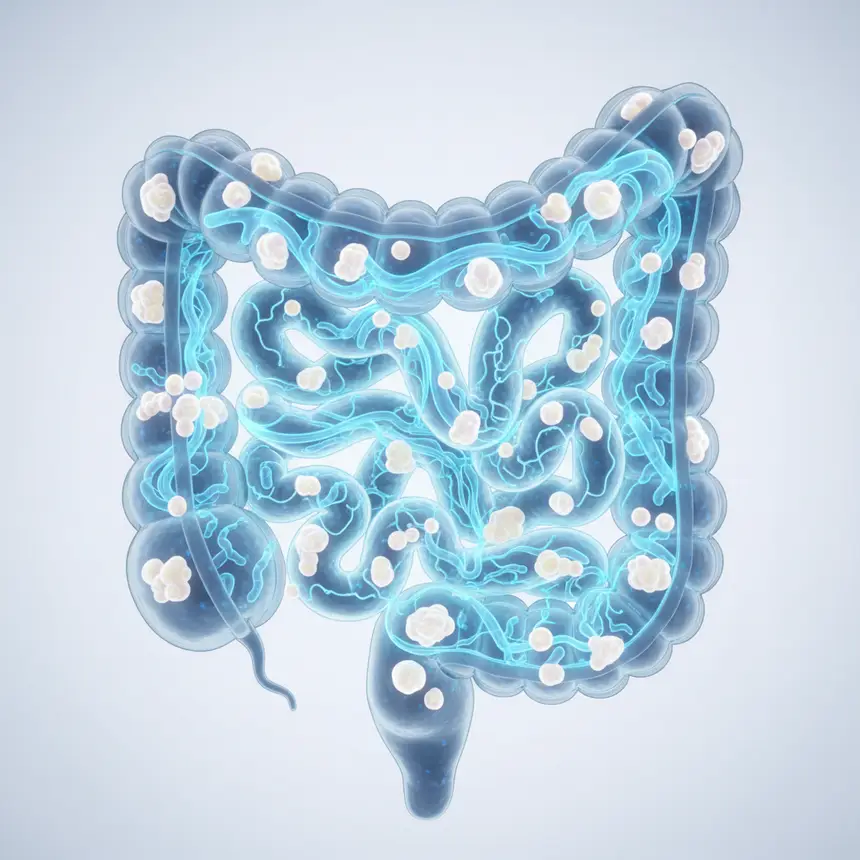
Understanding Chronic Inflammation: Its Impact and Core Management Principles
Chronic inflammation refers to a persistent, low-grade inflammatory response within the body, much like a smoldering fire. This isn't confined to one area but can spread systemically through the bloodstream, leading to a host of issues such as joint pain, weakened immunity, chronic fatigue, and even mood disturbances. The key to effectively managing this chronic state lies in maintaining a healthy immune system and, crucially, focusing on gut health. The gut is far more than just a digestive organ; it's a vital immune hub where over 70% of our immune cells reside. An imbalance in gut microbes can disrupt the immune system, making the body more prone to inflammatory reactions. Therefore, managing inflammation levels begins with rebalancing the immune system and fostering a healthy gut environment.
※ This post contains affiliate links. I may earn a commission at no extra cost to you.

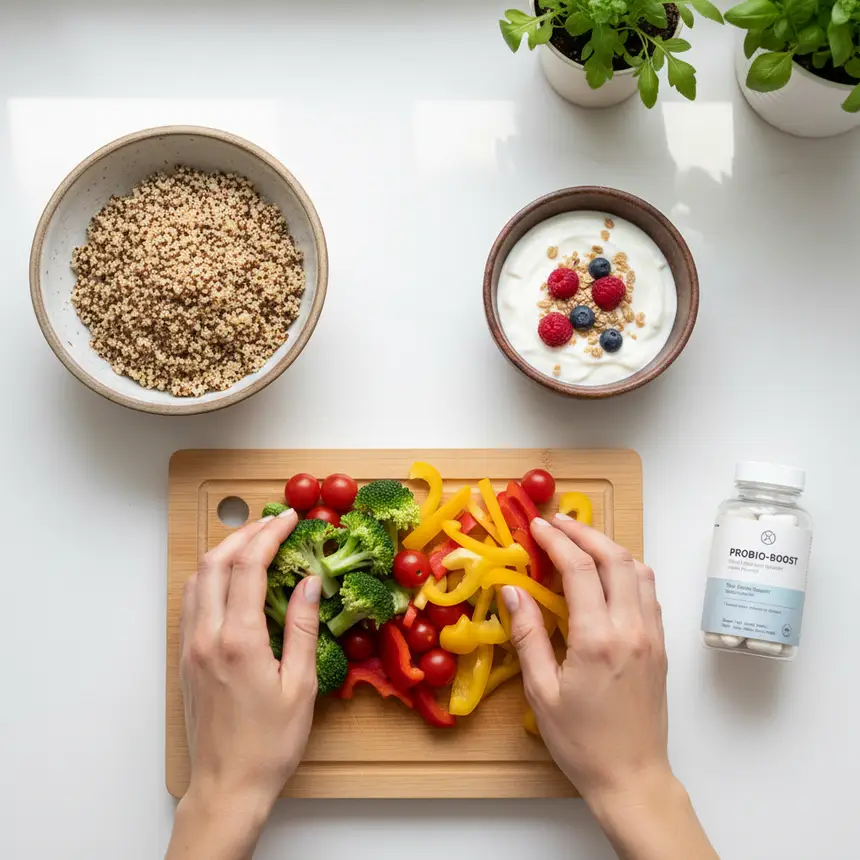
Actionable Steps for Inflammation Control and Immune System Support
To reduce inflammation levels and strengthen your immune system, small, consistent changes in your daily routine are vital. Here are some practical steps you can start implementing today:
- The Importance of Dietary Adjustments and Nutritional Support: Processed foods, excessive sodium intake, and highly stimulating foods can trigger or worsen inflammatory responses. Instead, focus your diet on anti-inflammatory-rich foods like fresh vegetables, fruits, and whole grains. For gut health, consider incorporating probiotics with diverse beneficial bacteria strains. Consistent intake helps improve the gut microbiome, which in turn supports immune function. For instance, try taking a probiotic supplement daily, perhaps with breakfast or before bed.
- Consistent Lifestyle Habits: Adequate and high-quality sleep is crucial for immune system recovery and regulating inflammatory responses. Aim to go to bed and wake up at similar times each day. Furthermore, light physical activity promotes circulation and reduces stress, positively influencing inflammation management. Try to incorporate at least 30 minutes of moderate-intensity activity, like brisk walking, three times a week. Staying well-hydrated also aids in flushing out toxins and supports overall bodily functions.

Reclaiming Vitality: A Journey of Consistent Self-Care
Managing chronic inflammation is not a sprint; it's a marathon. Instead of expecting drastic overnight changes, focus on consistently integrating the practical strategies outlined above into your daily life. While the initial shifts might seem minor, over weeks and months, your body will undoubtedly begin to send positive signals. The lightness you feel upon waking, a more resilient constitution against seasonal changes, and sustained mental clarity throughout the afternoon are all precious rewards of consistent effort. By reducing reliance on temporary fixes and actively working to restore your body's natural balance, you can experience the joy of reclaiming a vibrant and healthy everyday life. Remember, small, healthy habits accumulate to create profound transformations.
Frequently Asked Questions
Q. What's the first step if I suspect I have chronic inflammation?
A. If you suspect chronic inflammation, the most crucial first step is to consult a healthcare professional for an accurate diagnosis and personalized advice. They can help assess your inflammatory markers through blood tests and guide you in creating an appropriate management plan.
Q. How significant is diet in managing chronic inflammation?
A. Diet plays an incredibly significant role in managing chronic inflammation. It's recommended to reduce intake of pro-inflammatory foods like sugar, processed items, and trans fats, while increasing consumption of anti-inflammatory foods rich in omega-3 fatty acids and antioxidants, such as fruits and vegetables.
Q. Can probiotic supplements really help with chronic inflammation?
A. Yes, probiotics can contribute to managing chronic inflammation by improving gut microbiome balance and enhancing gut health. This, in turn, can help regulate the immune system. Consistent intake of supplements containing diverse beneficial bacteria strains is often recommended.
Q. How long does it typically take to see improvements in inflammation markers?
A. The timeline for improving inflammatory markers varies depending on individual health status, the cause of inflammation, and the consistency of lifestyle changes. Positive changes can often be observed over several weeks to a few months of consistent management, emphasizing a long-term approach.
Q. What lifestyle habits should I avoid when trying to manage inflammation?
A. To manage chronic inflammation effectively, it's best to avoid irregular sleep patterns, excessive stress, smoking, heavy alcohol consumption, and physical inactivity. These habits can exacerbate inflammatory responses and weaken the immune system.