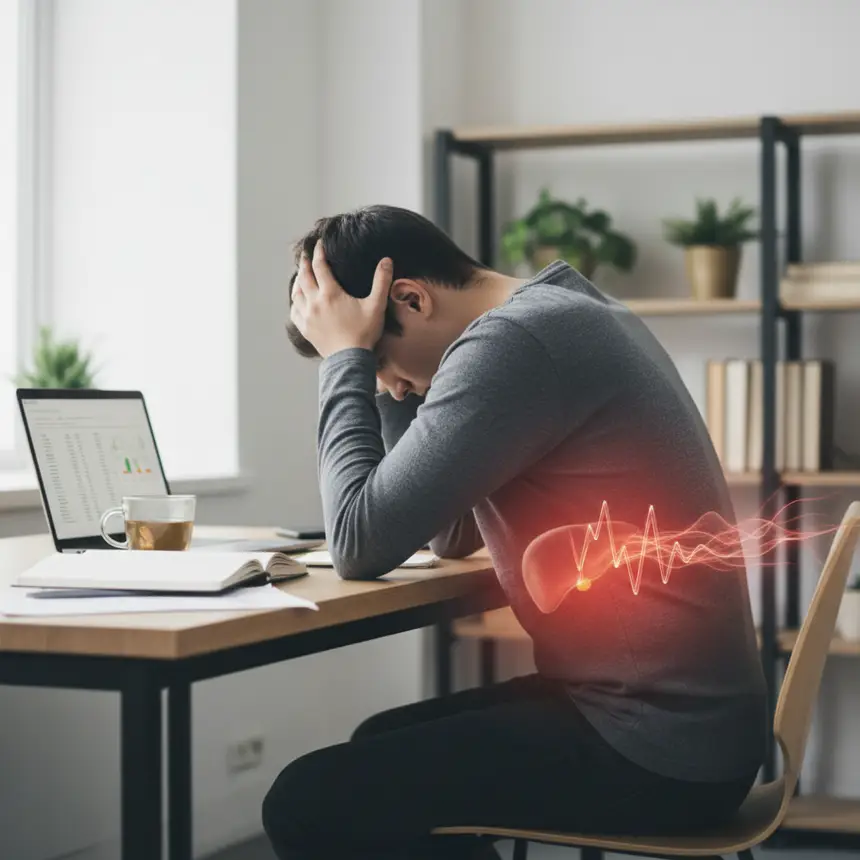
The postpartum period brings various bodily changes. Discover practical strategies to wisely address complex health issues like swelling, elevated blood pressure, and potential liver/kidney strain, supporting your recovery. Find actionable information for a healthier you.

The Postpartum Body: Feeling Overwhelmed by Unexpected Changes?
The joy of welcoming a new life is immense, but after childbirth, our bodies often face a myriad of unexpected changes. You might find yourself struggling with persistent swelling, higher-than-usual blood pressure, or a deep, lingering fatigue. These physical shifts aren't just minor inconveniences; they significantly impact your overall recovery process. Therefore, proactive attention and proper management are crucial. The journey to regaining your health as a new mother requires both patience and consistent effort.

Understanding Postpartum Edema, Hypertension, and Organ Stress
During pregnancy, your body undergoes significant transformations to support your baby's growth, including a substantial increase in blood volume and hormonal shifts. These changes don't immediately revert to normal after delivery. This can lead to fluid imbalances that significantly worsen edema, causing discomfort like heavy legs or deep sock marks. Furthermore, the strain placed on your cardiovascular system during pregnancy can persist postpartum, leading to elevated blood pressure. These circulatory changes and increased fluid volume also place extra demands on vital organs like the liver and kidneys, potentially causing temporary dips in their function. Even if there are no obvious symptoms, making the severity hard to gauge, consistent monitoring and care are essential for your well-being.
※ This post contains affiliate links. I may earn a commission at no extra cost to you.


Holistic Approaches to Postpartum Recovery: Nutrition, Gentle Movement, and Support
To restore your health after childbirth, a comprehensive approach to lifestyle adjustments is beneficial. First, dietary management is key. Excessive sodium intake can negatively impact swelling and blood pressure, so adopting a low-sodium diet is recommended. Focus on consuming potassium-rich vegetables and fruits, along with sufficient high-quality protein. Adequate hydration also aids in promoting healthy circulation, helping to alleviate edema. Second, gradually increase your physical activity with gentle movements. Short walks around the hospital room or home, and mild stretching, can improve circulation and boost energy. Just as some mothers experience significant fluid reduction, such as losing around 12 kg in a postpartum care facility, consistent activity can greatly assist in fluid regulation. Third, consider specific nutritional supplements when needed. For instance, plant extracts or B vitamins that support liver health, or antioxidants crucial for kidney function, can be discussed with a healthcare professional. These can play a supportive role in your body's recovery process.
Establishing a Postpartum Wellness Routine for Balance and Recovery
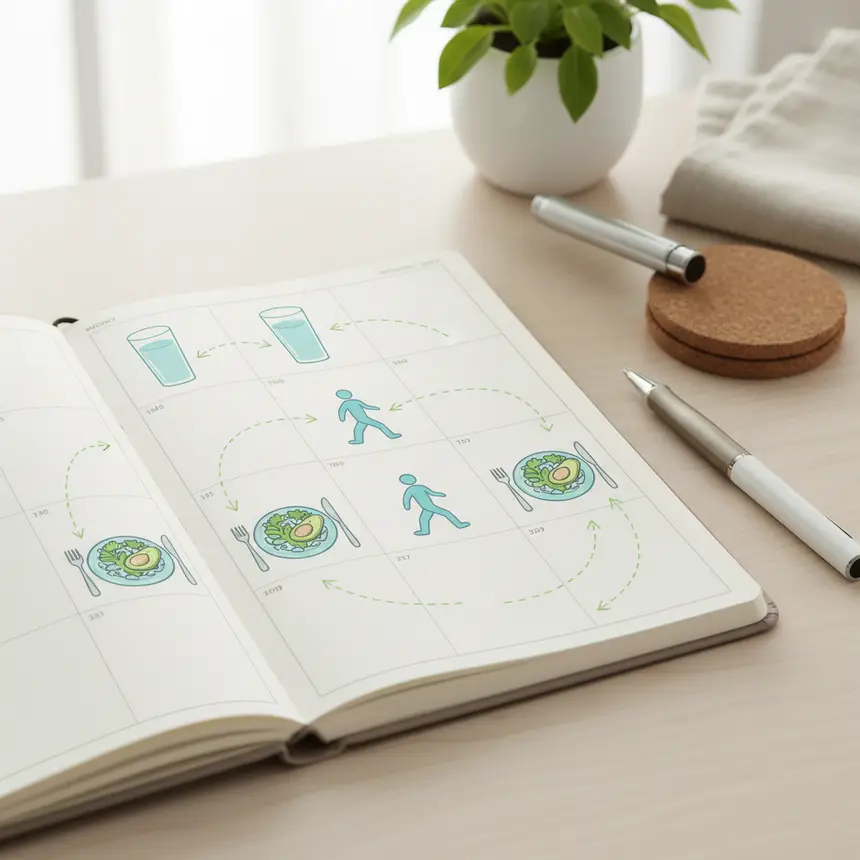
Consistent attention and practice are vital for returning to a healthy state. Start by making it a habit to regularly measure and record your blood pressure and weight. These are crucial indicators for understanding your body's changes. For example, simply weighing yourself at the same time each morning and checking your blood pressure several times a day can help you sensitively monitor your physical condition. Additionally, set a daily water intake goal and consistently drink enough to ensure proper hydration. Since blood pressure can rise in the evenings, opt for lighter dinners and ensure you get enough sleep to allow your body time to recover. Don't forget to consult with healthcare professionals periodically to create a personalized management plan tailored to your condition, and to adjust medications or undergo further tests if necessary. Creating your own unique health recovery routine is a powerful step towards wellness.

Your Postpartum Journey: Empowering Your Path to Well-being
Taking care of your body and mind after childbirth is never an easy task. The reality of nurturing a new baby while simultaneously tending to your own physical needs can feel overwhelming for many new mothers. However, remember this: your health is the most precious gift you can give your baby. Even if immediate, dramatic changes aren't visible, the small, consistent efforts you make to manage and care for your body will ultimately build a foundation for a sustainable and healthy life as a mother. Don't rush the process. Listen to your body's signals and approach your recovery journey with patience. Sometimes, seeking professional help, and at other times, leaning on the support of family and friends, can help you navigate this path. We genuinely support your healthy recovery. You are doing incredibly well.
Frequently Asked Questions
Q. How long does postpartum swelling typically last?
A. Postpartum swelling varies widely among individuals, but it generally starts to subside within the first one to two weeks after birth. Light activity, adequate hydration, and a low-sodium diet can help in the recovery process.
Q. What should I do if my blood pressure remains high after delivery?
A. If your blood pressure remains elevated after childbirth, it is crucial to consult your healthcare provider for an accurate diagnosis and a personalized management plan. Key strategies include a low-sodium diet, regular routines, and effective stress management.
Q. Are there specific home remedies to support liver and kidney function after childbirth?
A. For liver and kidney health, maintaining a balanced diet, ensuring sufficient hydration, and getting adequate rest are essential. Reducing intake of processed foods and, if necessary, consulting a nutrition expert for tailored supplement advice can be beneficial. However, always seek medical evaluation for persistent symptoms.