Chronic inflammation is a hidden enemy threatening modern health. Understand the root causes of fatigue and pain, and discover systematic management through diet, exercise, and key nutrients to reclaim a vibrant life.

That Lingering Discomfort? It Might Be Chronic Inflammation
Do you wake up feeling stiff, hit an inexplicable wall of fatigue by afternoon, or experience persistent aches and pains throughout your body? Many of us dismiss these symptoms as just 'getting older' or being 'tired.' I certainly did. What started as minor, fleeting annoyances gradually turned into a constant state of sluggishness, unexplained swelling, and general malaise. After a series of medical evaluations, the surprising culprit behind it all was identified: chronic inflammation. It's an insidious condition that often goes unnoticed because its symptoms aren't always glaring. However, if left unchecked, it can pave the way for serious health issues like cardiovascular disease and metabolic disorders. This realization was a turning point, marking the beginning of my journey to extinguish this silent, persistent fire within.
Unmasking the Silent Threat: What is Chronic Inflammation?
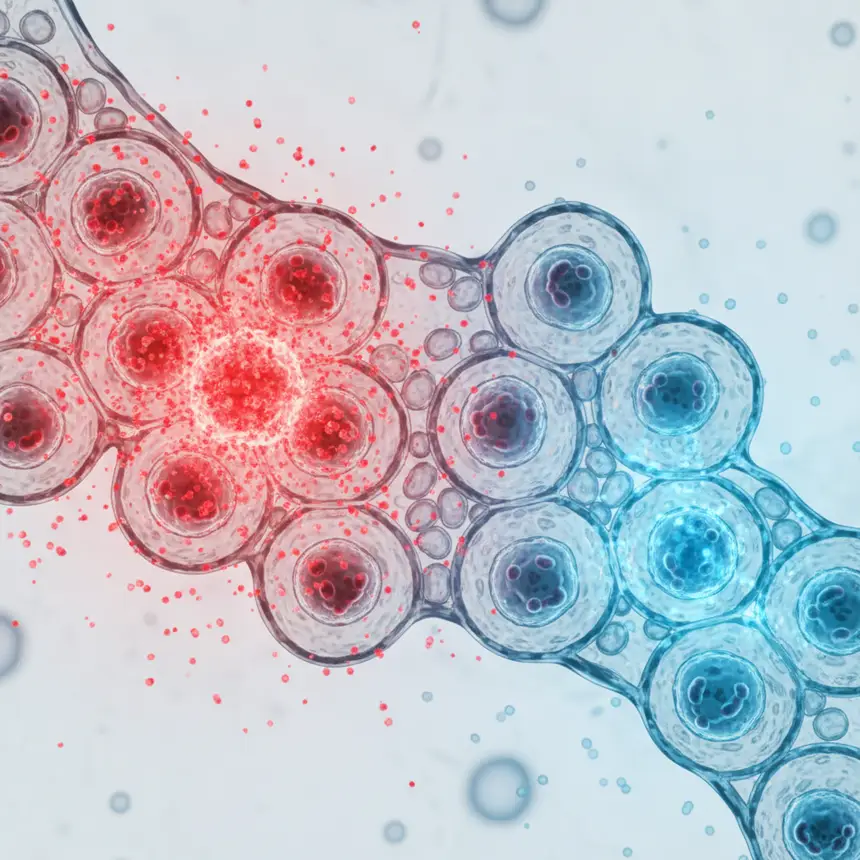
While acute inflammation is our body's essential, short-term defense mechanism against injury or infection, chronic inflammation is a prolonged version of this response. Instead of healing, it persists, gradually damaging healthy cells and tissues. This isn't just about feeling unwell; it can be a foundational factor in numerous chronic diseases. The triggers for chronic inflammation are multifaceted, ranging from constant psychological stress and insufficient sleep to erratic eating habits, lack of physical activity, and excess body weight. A major driver is 'oxidative stress,' which occurs when the body's cells are overwhelmed by free radicals. These unstable molecules damage cellular components, including DNA, disrupt the immune system, and perpetuate the inflammatory cycle. Understanding these interconnected causes is crucial for effective management. Ultimately, fostering a healthy cellular environment is the cornerstone for boosting immunity and quelling systemic inflammation.
※ This post contains affiliate links. I may earn a commission at no extra cost to you.


Cooling the Flames: Diet, Exercise, and Key Nutritional Support
Managing chronic inflammation begins with actionable lifestyle changes. First, dietary adjustments are paramount. It’s essential to reduce pro-inflammatory foods like deep-fried items, processed snacks, and sugary drinks. Instead, pivot towards an abundance of fresh vegetables, fruits, whole grains, and omega-3 rich foods such as fatty fish and nuts. Second, regular physical activity is a powerful anti-inflammatory tool. Engaging in about 30 minutes of brisk walking or moderate cardio daily can boost circulation, regulate stress hormones, and help reduce inflammatory markers. Third, consider targeted nutritional support. Quercetin, a plant flavonoid, is recognized for its anti-inflammatory properties. Forms with enhanced bioavailability, like those utilizing a phytosomal delivery system, can significantly improve absorption—studies suggest up to 20 times better absorption than standard forms. Research indicates such enhanced quercetin can help reduce certain inflammatory markers by approximately 30% and assist in clearing senescent (aging) cells by up to 55%. Additionally, cellular defense agents like glutathione and enzymes such as bromelain, known for supporting protein digestion and systemic functions, can offer synergistic benefits in managing inflammation. This multi-pronged approach is vital for breaking the cycle of inflammation and restoring cellular health.

Reclaiming Vitality: Your Path to a Healthier, More Energetic Life
Tackling chronic inflammation is not a quick fix; it's a dedicated journey requiring consistent effort. As I steadfastly incorporated dietary changes, regular exercise, and targeted nutritional support, I began to witness profound shifts in my body. The morning puffiness diminished, stiff joints became more pliable, and most importantly, the pervasive fatigue that once clouded my days lifted, replaced by a renewed sense of energy. Gone were the evenings spent glued to the couch; I now found myself with the vigor to pursue other activities. Seeing my inflammatory markers return to healthy ranges during routine check-ups was incredibly rewarding. Managing chronic inflammation is more than just alleviating symptoms; it’s about restoring cellular health, strengthening your immune system, and ultimately enhancing your overall quality of life. While the path might seem daunting, remember that small, consistent changes accumulate into significant results. Persistence truly is your most potent weapon in achieving lasting well-being.
Frequently Asked Questions
Q. What causes chronic inflammation?
A. Chronic inflammation often arises from a combination of lifestyle and environmental factors, including stress, poor sleep, diets high in processed foods, lack of exercise, and obesity. These factors can lead to cellular damage and immune system imbalances, causing the inflammatory response to persist.
Q. What are the dietary principles for managing chronic inflammation?
A. An anti-inflammatory diet generally emphasizes limiting processed foods, fried items, and high-sugar foods, while increasing consumption of fresh vegetables, fruits, whole grains, nuts, seeds, and omega-3 rich fish. Eating a variety of colorful foods is key to ensure a broad spectrum of antioxidants.
Q. How does regular exercise impact chronic inflammation?
A. Regular aerobic exercises (like brisk walking or jogging) and strength training can help lower systemic inflammatory markers and boost the immune system. Exercise also contributes to stress reduction and weight management, further mitigating inflammatory triggers. Consistency and appropriate intensity are crucial.
Q. Can specific nutrients help manage chronic inflammation?
A. Yes, certain nutrients can support chronic inflammation management through their anti-inflammatory and antioxidant properties. Flavonoids like quercetin, antioxidants like glutathione, and enzymes such as bromelain can aid in modulating inflammatory responses and protecting cells. It's important to combine a balanced diet with professional advice to find the right supplementation for your needs.
Q. How long does it take to see results when managing chronic inflammation?
A. Since chronic inflammation often develops over an extended period, its management also requires sustained effort. The key is long-term commitment to dietary changes, exercise, and lifestyle improvements rather than short-term fixes. While individual results vary, gradual improvements can typically be expected over several months of consistent effort.