Experiencing sharp, sudden pain in your big toe joint? Learn about the common symptoms of gout, how uric acid levels play a role, and effective dietary and lifestyle strategies to manage flare-ups and maintain joint comfort.

The Unexpected Onslaught of Toe Joint Discomfort
Have you ever been abruptly woken up in the middle of the night by a searing pain in your toe joint? One moment, everything is fine; the next, your toe is red, swollen, hot to the touch, and feels like it's being pierced by a sharp needle. This intense discomfort can make walking almost impossible, severely disrupting daily life. Such sudden toe pain often causes alarm, particularly when it strikes the base of the big toe. This isn't just a simple sprain or bruise; it signals a deeper issue, potentially linked to metabolic imbalances. Even those who consider themselves perfectly healthy can experience this excruciating joint distress due to shifts in diet or lifestyle patterns.
Unpacking the Connection: Uric Acid and Joint Pain
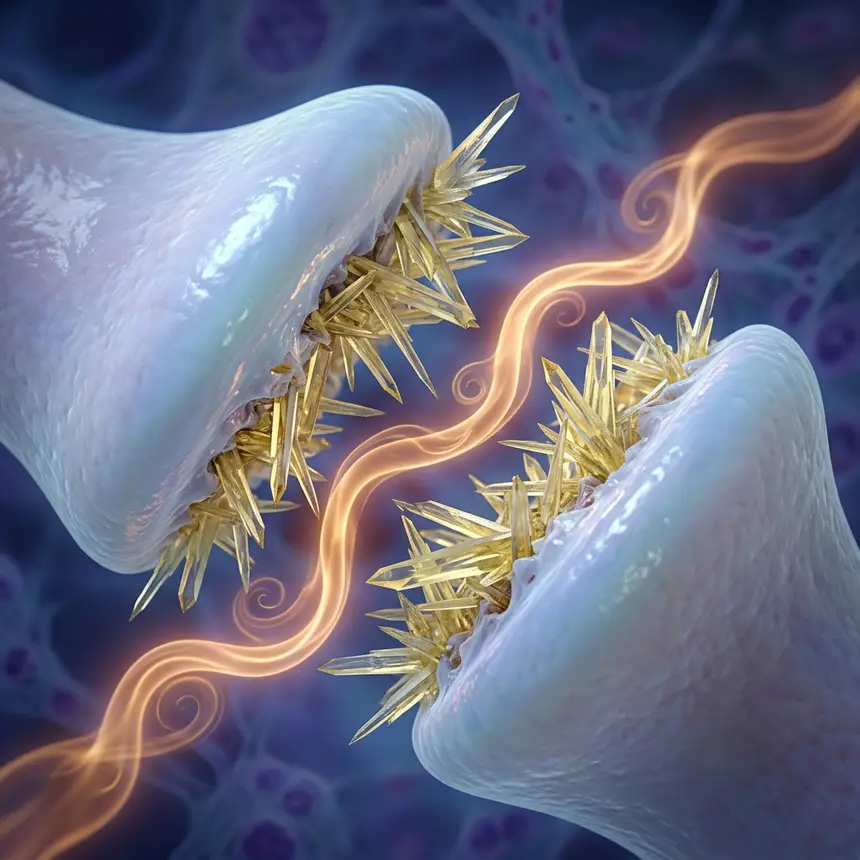
The primary culprit behind these uninvited and severe bouts of toe joint discomfort is often an overload of uric acid in the body. Uric acid is a natural byproduct formed when our bodies break down purines, substances found in certain proteins we consume. Normally, the kidneys efficiently filter uric acid out through urine. However, if too much uric acid is produced, or if the kidneys aren't clearing it effectively, levels in the blood begin to rise. When blood uric acid levels consistently exceed a certain threshold (e.g., above 7.0mg/dL), the uric acid can crystallize into tiny, sharp formations. These crystals tend to accumulate in joints, especially in areas like the toes, which are naturally cooler and have slower blood circulation. Imagine fine, sharp sand clogging a water pipe, obstructing flow and scraping against the walls. Similarly, these accumulated uric acid crystals irritate surrounding tissues every time the joint moves, triggering inflammation and excruciating pain. Therefore, managing both the production and efficient excretion of these crystals is crucial.
※ This post contains affiliate links. I may earn a commission at no extra cost to you.

Smart Dietary Choices for Uric Acid Management
Managing your diet is one of the most fundamental and effective strategies for controlling uric acid levels and alleviating joint discomfort. It’s not just about eating less; it’s about knowing which foods support healthy uric acid levels and which ones to limit.
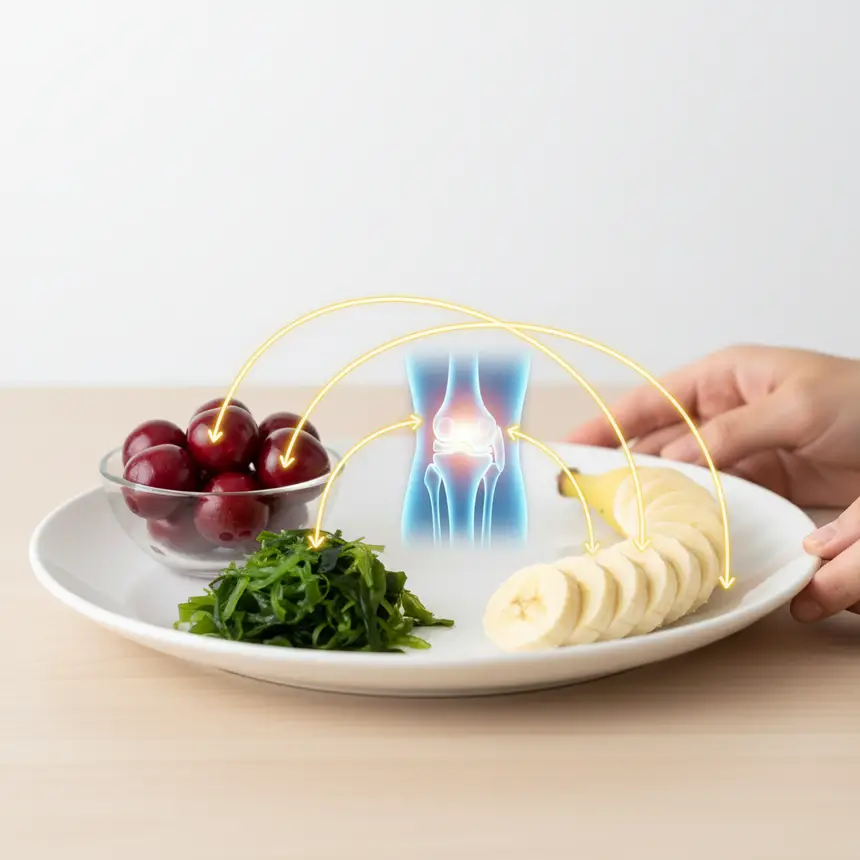
- Foods that can help with uric acid excretion and inflammation: Certain berries, like tart cherries, are rich in compounds such as anthocyanins, which may help modulate inflammatory responses and promote uric acid excretion. Furthermore, alkaline-rich foods like sea vegetables (e.g., kelp, wakame) and fruits like bananas can help make urine more alkaline, facilitating easier uric acid removal from the body. Incorporating these regularly can contribute to better overall body balance.
- Foods to limit or avoid: Foods exceptionally high in purines can increase uric acid production and should be consumed sparingly. Prime examples include organ meats (like liver or kidney) and rich meat broths. Alcohol, particularly certain types, also plays a significant role by both increasing uric acid production and hindering the kidneys' ability to excrete it. It's best to strictly limit alcohol intake, especially during flare-ups.
Daily Practices for Sustained Joint Well-being
Beyond dietary adjustments, consistent daily habits play a vital role in maintaining joint health. When sudden joint pain strikes, there are immediate steps you can take to find relief.
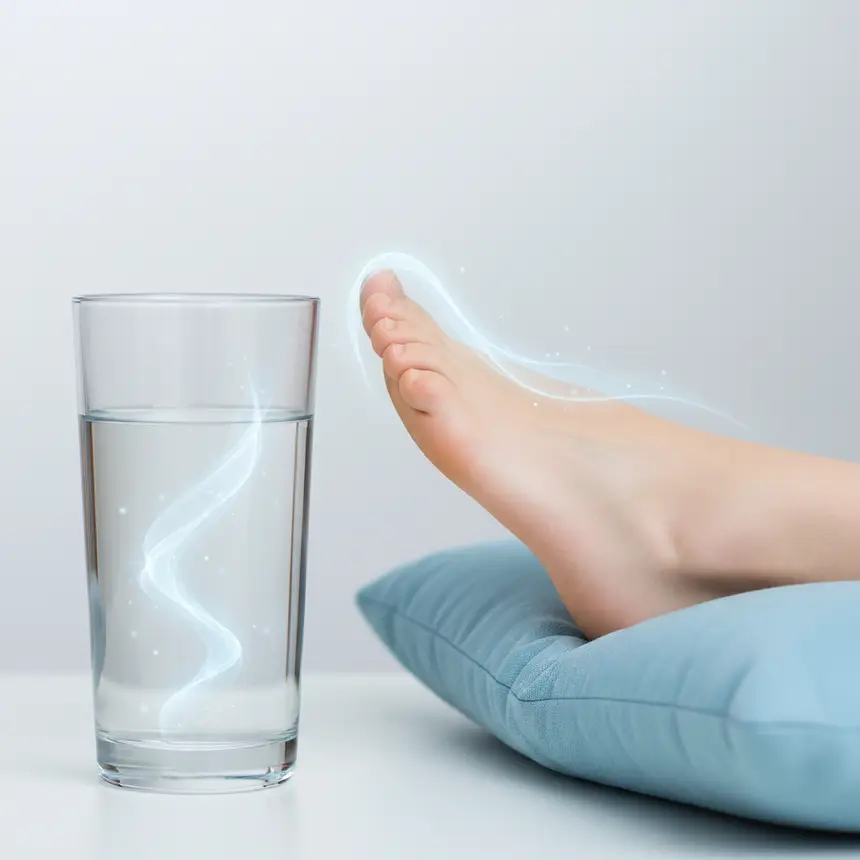
1. Stay Well-Hydrated: Consuming at least two liters of water daily is crucial for diluting uric acid and helping your kidneys flush it out efficiently. Instead of chugging large amounts at once, aim to sip water consistently throughout the day. Opt for plain water over sugary beverages or those high in high-fructose corn syrup.
2. Cold Compress and Rest During Acute Pain: When experiencing severe pain, avoid heat. Applying a cold compress (an ice pack wrapped in a thin cloth) to the affected area for about 15 minutes can help reduce inflammation. Additionally, resting with the affected foot elevated above heart level can significantly help reduce swelling.
These practices go beyond temporary relief; they contribute to long-term joint health and help prevent future flare-ups. Don't discontinue your management routine just because the pain subsides. Through consistent attention and effort, you can regain a comfortable and active lifestyle.
1. Stay Well-Hydrated: Consuming at least two liters of water daily is crucial for diluting uric acid and helping your kidneys flush it out efficiently. Instead of chugging large amounts at once, aim to sip water consistently throughout the day. Opt for plain water over sugary beverages or those high in high-fructose corn syrup.
2. Cold Compress and Rest During Acute Pain: When experiencing severe pain, avoid heat. Applying a cold compress (an ice pack wrapped in a thin cloth) to the affected area for about 15 minutes can help reduce inflammation. Additionally, resting with the affected foot elevated above heart level can significantly help reduce swelling.
These practices go beyond temporary relief; they contribute to long-term joint health and help prevent future flare-ups. Don't discontinue your management routine just because the pain subsides. Through consistent attention and effort, you can regain a comfortable and active lifestyle.
Frequently Asked Questions
Q. My toe pain went away after a few days. Does that mean I'm cured?
A. Acute gout attacks often subside naturally within a few days or one to two weeks. However, the absence of pain doesn't necessarily mean your uric acid levels have returned to normal. Uric acid crystals can still be present around the joint, potentially triggering future painful episodes. Consistent dietary management and healthy lifestyle habits are crucial, even when you're symptom-free.
Q. Will intense exercise that makes me sweat a lot help flush out uric acid?
A. Light to moderate aerobic exercises like walking or swimming can help with weight management, which positively impacts long-term uric acid control. However, during a flare-up or engaging in intense exercise that causes excessive sweating can lead to dehydration, temporarily concentrating uric acid in your blood and potentially worsening your condition. Always ensure you replenish fluids adequately after any physical activity.
Q. I heard warm compresses are good for circulation. Should I use one for my painful toe?
A. During an acute gout attack, it's best to avoid warm compresses. Heat can actually increase inflammation and intensify the pain. Instead, a cold compress (ice pack wrapped in a thin towel) applied briefly can be more effective in reducing the inflammatory response and providing relief.