Experiencing sudden, severe joint pain, especially in your big toe? It could be related to elevated uric acid levels. Discover the causes of acute joint discomfort from uric acid crystals and learn effective dietary and lifestyle strategies to regain comfort. Find essential food information and pain relief tips for managing your uric acid.

Sudden Joint Pain: What Could Be the Issue?
Imagine waking up to a sudden, excruciating pain in your big toe, accompanied by swelling and redness. This intense discomfort can make even the lightest touch unbearable, severely disrupting your daily routine. Such an acute episode of joint pain often signals an imbalance in your body's uric acid levels. When uric acid concentration in the blood rises above a certain threshold, like 7.0 mg/dL, it can trigger these painful flare-ups. Understanding the root cause of this unexpected agony and knowing how to respond is key to regaining your comfort and preventing future occurrences.
Why Do Elevated Uric Acid Levels Affect Joints?
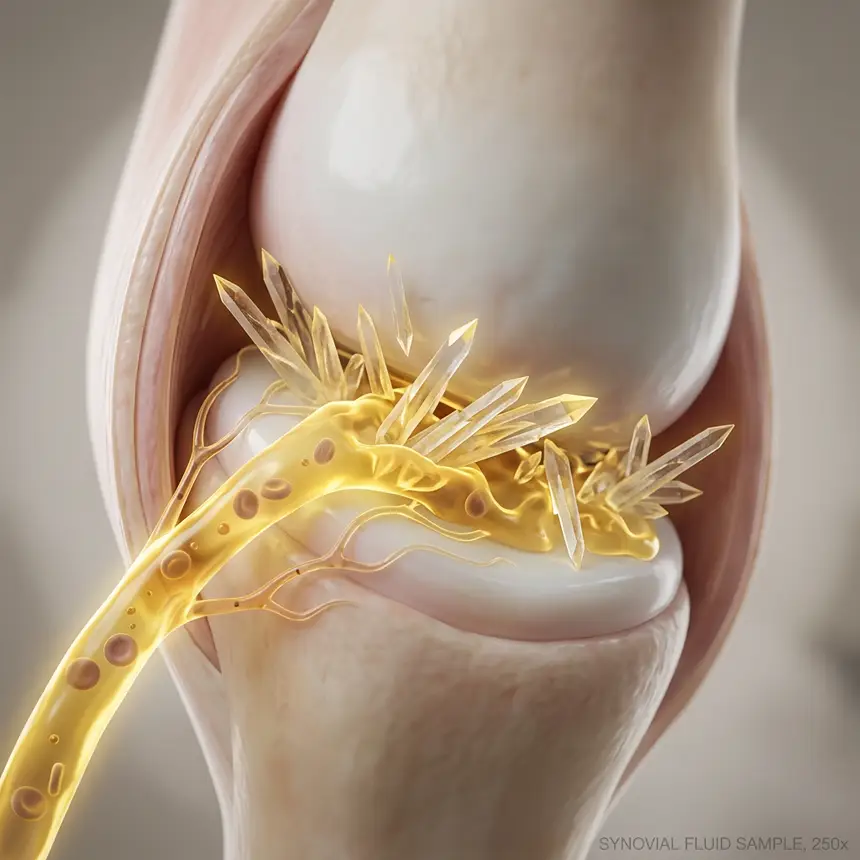
Uric acid is a natural byproduct formed when your body breaks down purines, substances found in many foods and also produced naturally by the body. Normally, your kidneys efficiently filter uric acid from your blood, and it's expelled through urine, maintaining a healthy balance. However, if your body produces too much uric acid or your kidneys can't excrete it effectively, levels can build up in your bloodstream. When these concentrations become too high, uric acid can crystallize into tiny, sharp, needle-like formations. These crystals often accumulate in joints, particularly in areas with lower temperatures and slower blood flow, such as the big toe. As these crystals gather and rub against the soft tissues within the joint, they provoke an inflammatory response, leading to the intense pain and swelling characteristic of a flare-up. Therefore, managing these levels is crucial to prevent further crystal formation and discomfort.
※ This post contains affiliate links. I may earn a commission at no extra cost to you.


Dietary Strategies for Uric Acid Control
Effective management of blood uric acid levels largely depends on your daily diet. It's not just about avoiding purine-rich foods, but also actively incorporating items that aid in uric acid excretion and reduce inflammation. For instance, certain berries, rich in anthocyanins, have been shown in some studies to help mitigate inflammatory responses and assist in balancing uric acid. Alkaline-forming foods like specific sea vegetables (e.g., kelp, seaweed) and fruits such as bananas can help alkalize urine, making it easier for uric acid to be flushed from the body. Conversely, it's wise to limit foods high in purines, such as organ meats and concentrated meat broths. Additionally, certain alcoholic beverages, particularly beer, are high in purines and can also interfere with uric acid excretion, so moderation or avoidance is recommended during periods of discomfort. Staying well-hydrated is paramount. Aim for at least 2 liters of water daily to help your kidneys flush out uric acid effectively. Opt for plain water over sugary drinks or high-fructose juices, which can actually increase uric acid production.

Everyday Habits for Uric Acid Management and Pain Relief
Beyond dietary adjustments, adopting certain lifestyle habits can significantly contribute to controlling uric acid levels and alleviating acute pain. When a sudden flare-up occurs, immediate actions can provide relief. Instead of applying heat, which can exacerbate inflammation, a cold compress is often more beneficial. Gently apply an ice pack wrapped in a thin towel to the affected joint for about 15 minutes to help reduce swelling and pain. Elevating the painful limb above heart level using pillows can also help decrease fluid accumulation and swelling. For long-term management, regular, moderate aerobic exercise, like walking or swimming, supports healthy weight management, indirectly aiding uric acid control. However, during an acute attack, strenuous exercise should be avoided. Always ensure adequate fluid intake to compensate for any water loss through sweat, as dehydration can concentrate uric acid in the blood. Consistent effort in maintaining these healthy habits is key to managing uric acid levels and ultimately reclaiming a comfortable and active life.
Frequently Asked Questions
Q. If the pain goes away, does that mean my uric acid levels are normal?
A. Acute joint pain often subsides naturally within a few days to two weeks. However, the absence of pain doesn't necessarily mean your uric acid levels have normalized. Uric acid crystals can still remain in the joint, potentially triggering another painful episode. Therefore, continuous management of diet and lifestyle is crucial, even when symptoms are not present, to keep uric acid levels in check.
Q. Can sweating a lot during exercise help excrete uric acid?
A. Regular aerobic exercise supports weight management, which can be beneficial for long-term uric acid control. However, during an acute flare-up or after intense exercise that causes significant sweating, rapid fluid loss can temporarily increase the concentration of uric acid in your blood. It's essential to replenish fluids by drinking plenty of water after any physical activity.
Q. Are there specific supplements that effectively control uric acid levels?
A. While various supplements are marketed to help manage uric acid, they typically serve as an adjunct to dietary and lifestyle modifications. Certain ingredients may show promise in influencing uric acid metabolism, but the cornerstone of management remains a balanced diet and healthy living. Always consult with a healthcare professional before starting any new supplements.