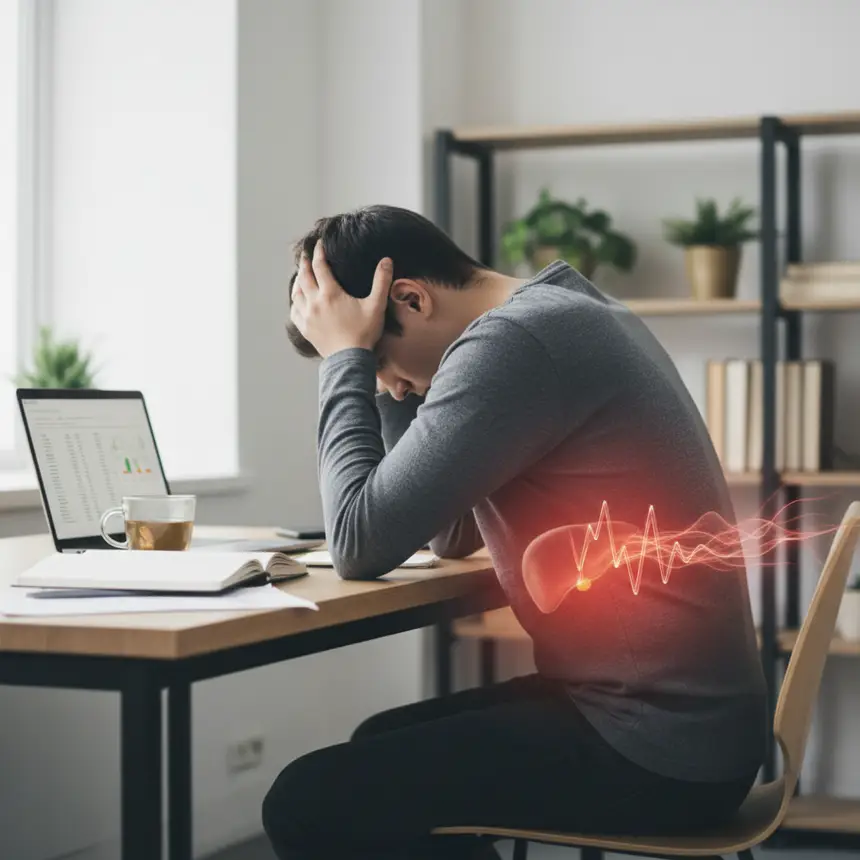
Struggling with heavy legs and persistent swelling? Discover our guide to diet, exercise, and lifestyle habits for better circulation. Get healthy, lighter legs and start your active life with daily actionable tips!

H2. Heavy, Aching Legs: You're Not Alone
Do you spend long hours standing or sitting? By evening, do your shoes feel tight, or do your legs feel puffy and heavy? Perhaps you experience a dull ache or throbbing sensation in your calves. The feeling of light legs in the morning transforming into leaden limbs by afternoon is a common experience for many. This persistent leg discomfort isn't just about fatigue; it can be deeply linked to issues with leg circulation and might be a signal that your body needs consistent attention and care.
H2. Understanding the Root Causes of Leg Circulation Problems
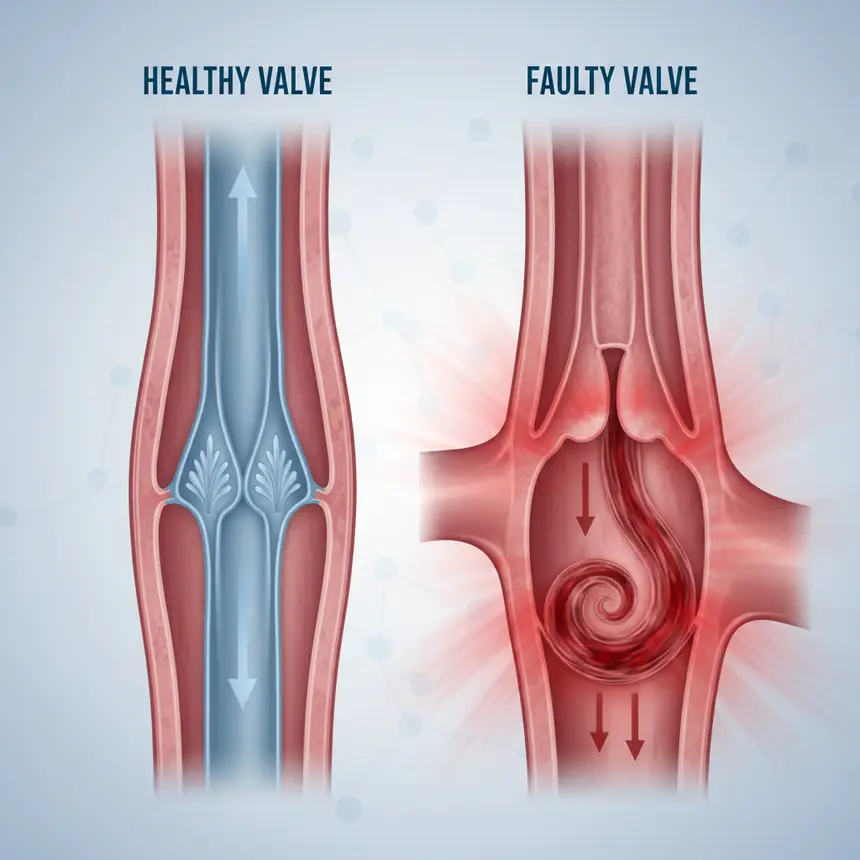
Within our leg veins, there are tiny one-way valves designed to help blood flow back to the heart against gravity. These valves are crucial in preventing blood from pooling downwards. However, for various reasons, if these valve functions weaken, blood can start to collect in the lower legs, increasing pressure within the leg veins. This ultimately leads to blood stagnation and impaired circulation, which is a primary cause of leg swelling, heaviness, and sensations like tingling or cramping. Even without visible vein changes, your internal circulatory system might already be under strain. For example, a pattern of worsening leg swelling in the evening that subsides by morning, or frequent leg cramps at night, can be early indicators of these underlying circulatory issues.
※ This post contains affiliate links. I may earn a commission at no extra cost to you.

H2. Nourishing Your Legs: Diet, Exercise, and Key Nutrients
Improving leg circulation and reducing swelling begins with small, consistent changes in your daily life. Specifically, focusing on your diet, incorporating appropriate exercise, and ensuring adequate nutrient intake can provide significant benefits.
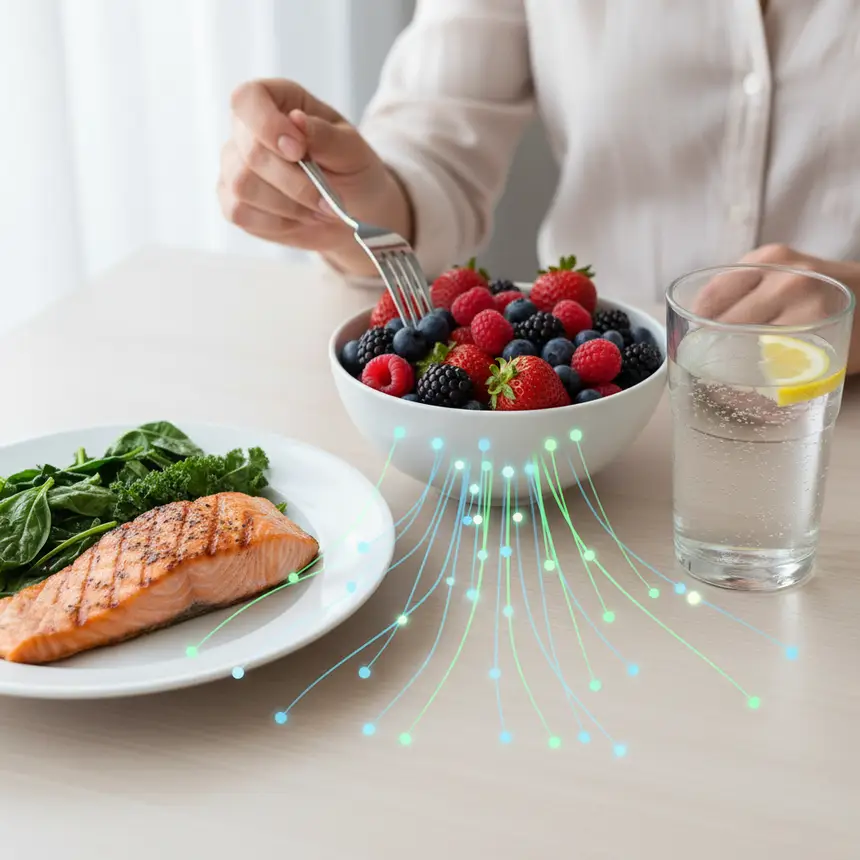
- Circulation-Friendly Foods: Foods rich in flavonoids, such as berries, citrus fruits, and onions, positively impact blood vessel health. Fatty fish high in Omega-3 fatty acids contribute to smoother blood flow, while fiber-rich whole grains and vegetables can improve overall circulatory health through better gut function.
- Leg Circulation Exercises: Low-impact aerobic exercises like walking and cycling, which regularly engage leg muscles, are effective in activating the calf muscle pump action, helping to return blood to the heart. Simple ankle rotations, calf raises, and leg lifts can also significantly aid venous circulation.
- Beneficial Nutrients: Vitamin C is essential for strengthening blood vessel walls, and Vitamin E contributes to preventing blood clots and improving circulation. Plant compounds like Rutin and Diosmin can support capillary health and strengthen veins. If obtaining sufficient amounts through diet is challenging, consider supplements after consulting with a healthcare professional.
H2. Daily Routines for Vibrant Leg Health
Maintaining healthy legs and reducing discomfort requires consistent daily practices. Embrace the following routines to safeguard your leg health:
- Regular Leg Stretching: Before bed or upon waking, perform simple stretches like moving your ankles up and down or in circles for 5-10 minutes. This helps relax calf muscles and promotes blood flow.
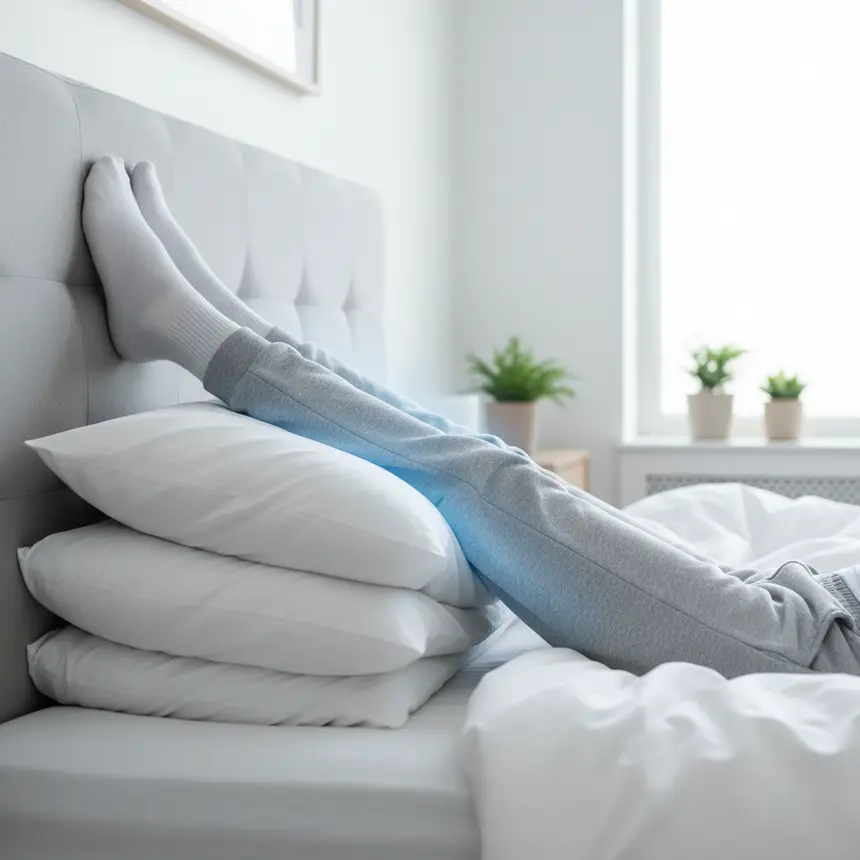
- Elevate Your Legs While Resting: When resting or sleeping, place pillows or cushions under your legs to keep them elevated above your heart. This helps blood pooled in the legs return to the heart, effectively reducing swelling overnight.
- Avoid Prolonged Static Positions: If you stand or sit for long periods, change your posture frequently. Gently move your ankles or march in place. Even 5 minutes of movement every hour can make a difference.
- Stay Hydrated and Manage Salt Intake: Drinking enough water helps thin the blood, aiding circulation. Excessive salt intake can lead to fluid retention, so reduce your consumption of salty foods.
- Wear Comfortable Footwear: Opt for comfortable, well-fitting shoes rather than high heels or restrictive footwear that can impede blood circulation.
H2. Embrace a Lively Life with Healthy Legs
Leg discomfort can significantly diminish your quality of life. Heavy legs and recurrent swelling can drain your energy and vitality. However, by consistently implementing the dietary adjustments, regular exercises, and lifestyle changes we've discussed, you can reclaim healthy legs and enjoy a more active life. If changing everything at once feels overwhelming, start with one or two easiest practices. Persistent effort will undoubtedly lead to lighter, more comfortable legs and better overall health. Your leg health will reward you for the care and attention you give it.
Frequently Asked Questions
Q. What simple methods can I do at home when my legs are very swollen?
A. When you feel leg swelling, try resting with your legs elevated above your heart for 15-20 minutes, or soaking your feet in cool water can also provide temporary relief. Simple ankle exercises like flexing, pointing, or rotating your feet can also be beneficial.
Q. What foods are best for improving leg circulation?
A. Foods beneficial for leg circulation include fruits and vegetables rich in flavonoids, like berries and citrus fruits, fatty fish such as salmon or mackerel which are high in Omega-3s, and whole grains and legumes. These foods can support blood vessel health and improve blood flow.
Q. What types of exercise are most effective for overall leg health?
A. Aerobic exercises that gently engage calf muscles, such as walking, cycling, and swimming, are highly effective. These activities activate the 'calf muscle pump,' which helps push pooled blood from the legs back to the heart. Aim for about 30 minutes of consistent activity daily.
Q. Do compression stockings really help with leg swelling?
A. Yes, compression stockings with appropriate pressure can help by providing gentle external pressure to prevent venous blood from flowing backward and improve circulation. They can be particularly effective in reducing discomfort if you stand or sit for long periods, or if you experience significant swelling. It's important to choose the correct pressure and size for your individual needs.