Discover the optimal diet for liver health and how to boost nutrient absorption. Uncover secrets to maintaining a vibrant liver through effective foods and lifestyle changes for fatty liver management.

The Silent Guardian: Understanding Your Liver's Vital Role in Modern Life
Your liver is an unsung hero, constantly working behind the scenes as a vital detoxification center. Often called the 'silent organ' because it rarely signals distress until issues are advanced, it plays crucial roles in metabolism, nutrient processing, and bile production—all essential for life. However, contemporary diets and lifestyles often place immense strain on this hardworking organ. Factors like excessive fat intake, frequent alcohol consumption, and insufficient physical activity are major culprits threatening liver health. Fatty liver, once primarily associated with older adults, is now a common concern across all age groups, including younger individuals. This trend highlights the urgent need for proactive liver care. The food we eat daily directly impacts our liver's well-being, making it essential to understand which foods support liver health and how to maximize the absorption of their beneficial nutrients.
Crafting a Liver-Friendly Diet: Key Nutrients and Absorption Strategies
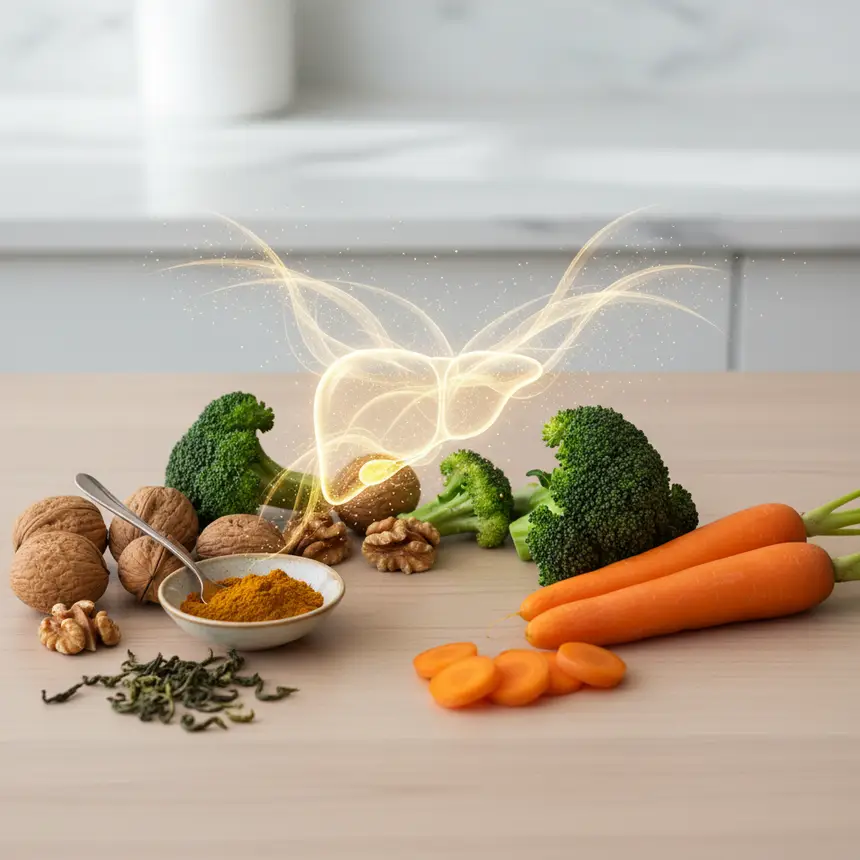
Building a diet that aids in liver recovery and function is a cornerstone of overall well-being. Several foods are packed with nutrients beneficial for your liver. For instance, nuts and seeds, rich in unsaturated fats and Vitamin E, can help protect liver cells and reduce fat accumulation. Cruciferous vegetables like broccoli and kale contain compounds that support the liver's natural detoxification enzymes. Carrots and beets, loaded with beta-carotene and antioxidants, may contribute to liver regeneration and help manage inflammatory responses. Furthermore, antioxidants found in green tea (catechins) and turmeric (curcumin) protect the liver and support healthy metabolic activity.
To ensure these beneficial nutrients perform their best, enhancing their absorption in the body is equally important. For example, fat-soluble vitamins found in many liver-friendly foods are better absorbed when consumed with healthy fats, such as those in avocados or olive oil. Lightly steaming or stir-frying cruciferous vegetables can reduce nutrient loss and aid digestion. Turmeric's curcumin, a powerful compound, is significantly better absorbed when consumed with black pepper. Adequate hydration is also crucial for nutrient transport and waste elimination. These small adjustments can significantly improve the efficiency with which your body utilizes liver-supporting nutrients.
To ensure these beneficial nutrients perform their best, enhancing their absorption in the body is equally important. For example, fat-soluble vitamins found in many liver-friendly foods are better absorbed when consumed with healthy fats, such as those in avocados or olive oil. Lightly steaming or stir-frying cruciferous vegetables can reduce nutrient loss and aid digestion. Turmeric's curcumin, a powerful compound, is significantly better absorbed when consumed with black pepper. Adequate hydration is also crucial for nutrient transport and waste elimination. These small adjustments can significantly improve the efficiency with which your body utilizes liver-supporting nutrients.
※ This post contains affiliate links. I may earn a commission at no extra cost to you.


Sustainable Liver Care: The Synergy of Diet and Lifestyle
Your journey to optimal liver health extends beyond just eating specific foods; it's intricately linked to broader lifestyle changes. Alongside consistently maintaining a liver-friendly diet, it's crucial to modify habits that can burden your liver. For instance, reducing or moderating alcohol intake has the most direct positive impact on liver recovery and maintenance. Consider opting for herbal teas or non-alcoholic beverages during social gatherings, or enjoying a healthy snack and a movie at home instead of an alcoholic drink.
Moreover, regular physical activity significantly helps reduce fat accumulation in the liver and boosts overall metabolism. Incorporate daily light walks or jogs, or combine simple stretching and strength exercises that can be done at home. These small movements accumulate, leading to improved physical fitness and better liver health. Liver health doesn't improve overnight. Through consistent and sustainable changes, your liver can regain its vitality, which in turn enhances your overall quality of life. Start making smart choices for your liver today to embrace a more vibrant tomorrow.
Moreover, regular physical activity significantly helps reduce fat accumulation in the liver and boosts overall metabolism. Incorporate daily light walks or jogs, or combine simple stretching and strength exercises that can be done at home. These small movements accumulate, leading to improved physical fitness and better liver health. Liver health doesn't improve overnight. Through consistent and sustainable changes, your liver can regain its vitality, which in turn enhances your overall quality of life. Start making smart choices for your liver today to embrace a more vibrant tomorrow.
Frequently Asked Questions
Q. If diagnosed with fatty liver, what foods should I avoid?
A. To manage fatty liver, it's best to reduce consumption of sugary drinks and processed foods, fried foods high in trans fats, and excessive carbohydrates. Alcohol is a primary cause of fatty liver, so minimizing or avoiding it is crucial.
Q. Do I really need supplements to get enough liver-healthy nutrients?
A. Supplements can complement a balanced diet but aren't strictly necessary. The most important thing is to get sufficient nutrients from a variety of whole foods like fresh vegetables, fruits, whole grains, and lean proteins. Consult a healthcare professional before taking supplements.
Q. Can I manage my liver health without completely giving up alcohol?
A. Reducing alcohol intake alone can significantly lessen the burden on your liver. If quitting entirely is challenging, focus on gradually decreasing frequency and quantity, and increasing alcohol-free days. However, if you have a condition like fatty liver, it's safest to consult a doctor regarding alcohol consumption.
Q. How often should I eat liver-friendly foods to see results?
A. Consistency is key. Rather than consuming large amounts of a single food occasionally, aim to regularly incorporate a variety of liver-supporting foods into your diet. For example, try to eat cruciferous vegetables at least three times a week or have nuts as a daily snack to establish beneficial eating habits.