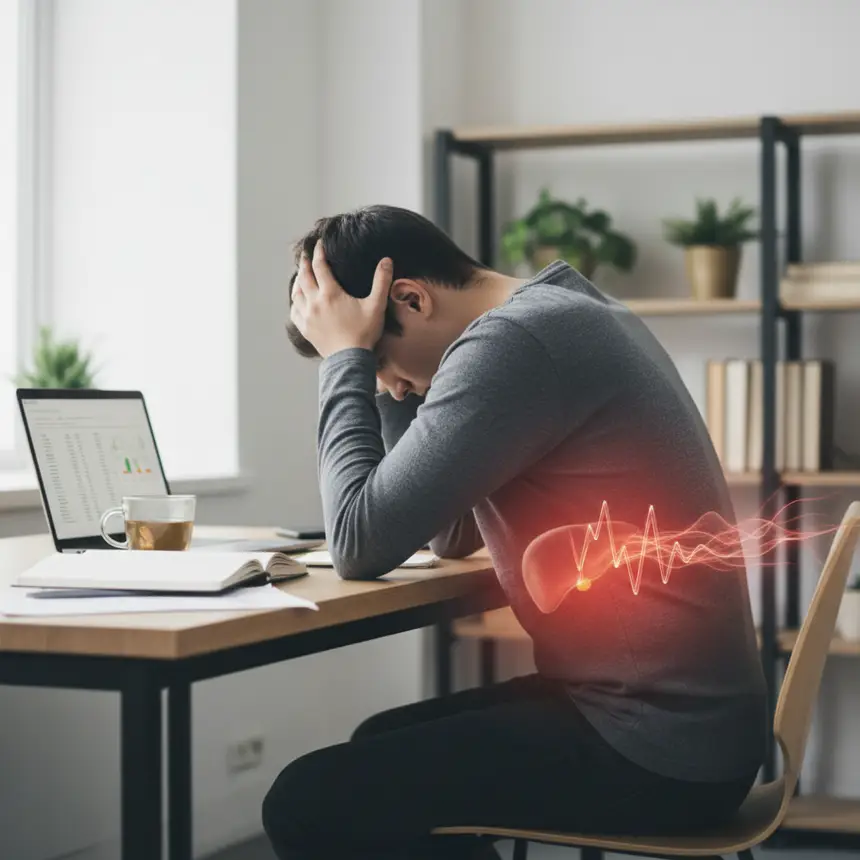
Don't underestimate muscle pain after a car accident; it can lead to chronic issues. Learn about the causes of hidden pain that doesn't appear immediately, effective relief methods, and comprehensive recovery strategies that integrate physical and emotional well-being to regain a healthy life.

Don't Ignore Your Body's Signals After an Unexpected Impact
An unforeseen car accident places significant stress on our bodies. Even if there are no visible external injuries, substantial stress and micro-damage can occur within the soft tissues and musculoskeletal system. Many individuals feel fine immediately after an accident and quickly return to their daily routines. However, this can be a risky oversight of potential underlying issues. Statistics show that a significant percentage of accident survivors experience delayed symptoms such as neck pain, shoulder stiffness, headaches, and general muscle soreness days or even weeks later. This can be a result of strains to muscles and ligaments, similar to a whiplash injury where the body rapidly jerks back and forth. What might start as minor discomfort can progress into chronic pain over time, significantly impacting quality of life. Therefore, regardless of the severity of the incident, it is crucial to pay close attention to any subtle signals your body sends and seek professional advice.
Effective Approaches for Alleviating Post-Accident Muscle Pain
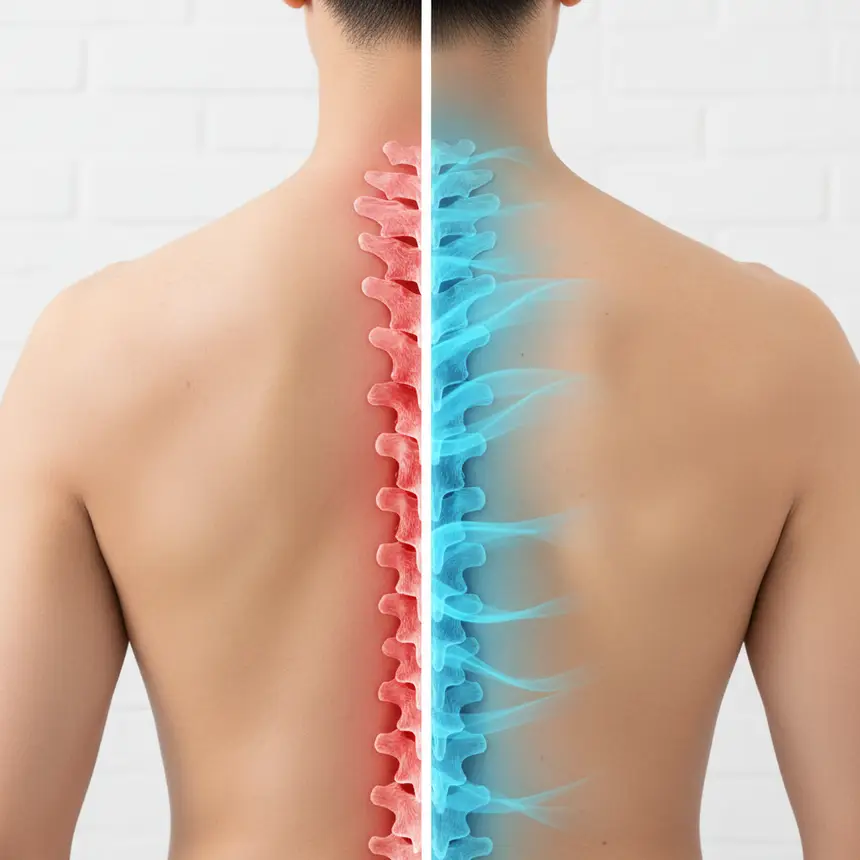
Resolving muscle pain and discomfort after an accident requires a multi-faceted approach. Firstly, improving the body's internal circulation, which can be disrupted by the impact, is crucial. After trauma, poor blood flow can lead to the accumulation of inflammatory substances and metabolic waste products, a primary contributor to worsening pain. Gentle heat therapy can aid circulation, and consuming anti-inflammatory foods (e.g., those rich in omega-3 fatty acids, turmeric) can help manage internal inflammatory responses. Secondly, restoring the balance of your body's structure, which might be misaligned due to physical impact, is essential. Even minor misalignments in the spine or pelvis can compress nerves and cause imbalanced tension in surrounding muscles, leading to chronic pain. In such cases, seeking assistance from skilled professionals for manual therapy techniques and personalized exercises can help restore proper body alignment, strengthen weakened muscles, and relax tense fascia. Core muscle strengthening exercises, in particular, enhance overall body stability and help prevent pain recurrence. Therefore, it's vital to consider both internal circulation and structural stability, not just focus on the immediate painful area.
※ This post contains affiliate links. I may earn a commission at no extra cost to you.

Harmonious Recovery: Blending Physical Health with Emotional Well-being
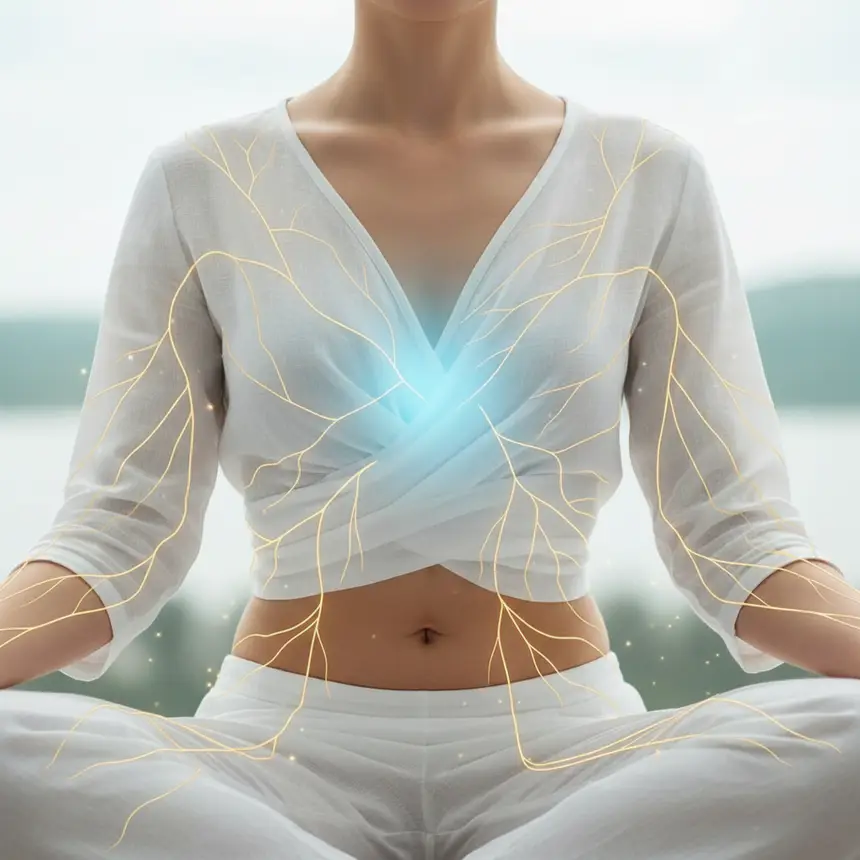
The recovery process following an accident extends beyond merely eliminating physical pain. The psychological impact and stress that accompany physical injury are significant factors that cannot be overlooked. Memories of the accident can lead to emotional after-effects like insomnia, anxiety, and difficulty concentrating, which can, in turn, amplify physical pain or slow down the recovery process, creating a vicious cycle. Our body and mind are intrinsically connected, making an integrated approach essential for true health recovery. For instance, an individual might consistently engage in physical rehabilitation exercises while simultaneously practicing stress management techniques like deep breathing or meditation to find mental calm and improve sleep quality. Additionally, ensuring adequate rest and a balanced nutritional intake provides the foundation for the body to heal itself. This consistent and comprehensive management not only reduces pain but also helps in regaining vitality and proactively preventing future health issues. Therefore, navigating accident recovery wisely involves patience, consistent management, and, if necessary, seeking professional guidance to create an integrated plan that encompasses both physical and mental well-being.
Frequently Asked Questions
Q. Why does muscle pain often appear or worsen days after a car accident, rather than immediately?
A. Immediately after an accident, the body's stress response and adrenaline can mask pain. As this initial tension subsides, inflammation begins, and swelling develops, leading to delayed or intensified pain. This is a common reaction to soft tissue injuries.
Q. What simple home remedies can help alleviate muscle pain after an accident?
A. In the acute phase, applying ice packs can help manage swelling and inflammation. After 2-3 days, warm compresses can promote blood circulation. Gentle stretching and maintaining light movement, within pain limits, can prevent muscle stiffness. Adequate rest and hydration are also crucial.
Q. How does correcting body alignment contribute to recovery from post-accident muscle pain?
A. Misalignments in the spine or pelvis due to an accident's impact can place abnormal stress on surrounding muscles and nerves. Correcting these misalignments reduces nerve compression and resolves imbalanced muscle tension, directly aiding pain relief. Long-term benefits include improved posture and prevention of recurrence.
Q. Besides muscle pain, what other discomforts might arise after a car accident?
A. Beyond muscle pain, individuals might experience headaches, dizziness, digestive issues, insomnia, anxiety, difficulty concentrating, and chronic fatigue. These symptoms can be related to the body's systemic stress response or an imbalance in the autonomic nervous system, requiring comprehensive observation.
Q. Can emotional issues impact the recovery of muscle pain after a car accident?
A. Yes, significantly. Stress, anxiety, and depression stemming from an accident can lower pain thresholds and increase muscle tension, thereby exacerbating physical pain. Finding emotional stability and managing stress are vital components of physical recovery.