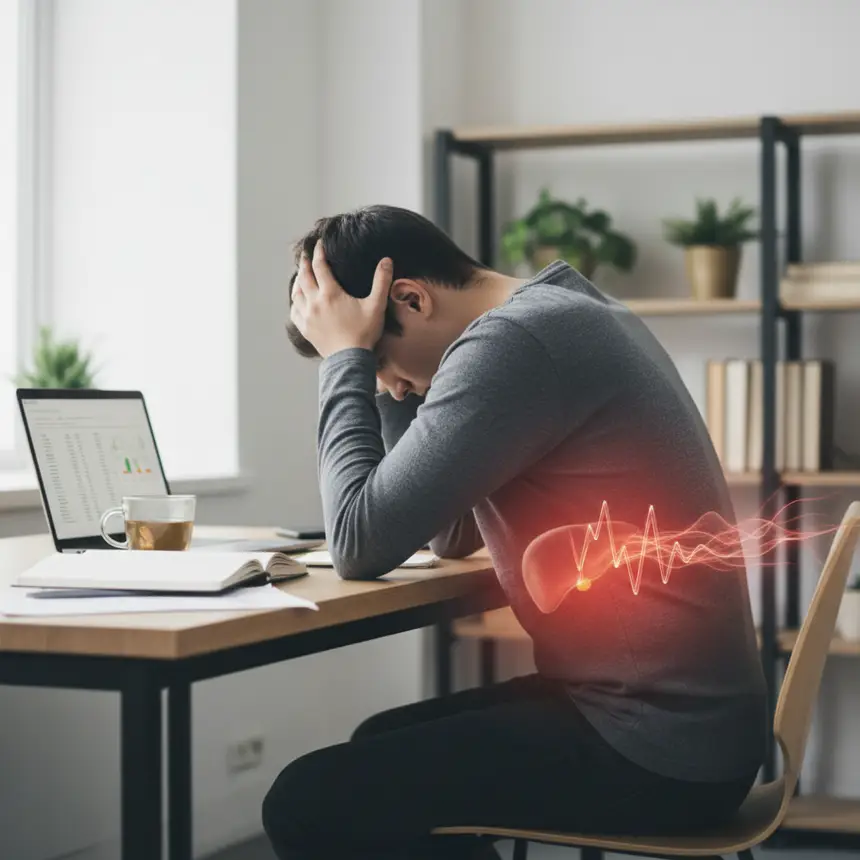
Are you struggling with calf swelling in your busy life? Alleviate leg swelling and regain lightness with simple stretches and lifestyle habits for improved blood circulation. Discover effective leg care routines designed for your time-strapped schedule.

Heavy Legs in a Hectic World: The Modern Dilemma
The fast pace of modern life often pushes personal well-being to the back burner. Juggling demanding work schedules and constant fatigue leaves little room for self-care. It's common to find your legs feeling swollen and heavy by evening. Calf swelling, in particular, isn't just an aesthetic concern; it can significantly impact daily comfort and overall quality of life. The sensation of tight shoes or stiff, tired calves is a relatable experience for many. This unexpected discomfort can sneak up on busy individuals, serving as a clear signal that their legs need attention and care.

Calf Swelling: More Than Just Fatigue, It's a Signal
It's easy to dismiss evening leg swelling as mere tiredness, but it can actually be an important indicator of issues within your body's circulatory system. Calf swelling frequently occurs when blood struggles to return to the heart from the lower extremities, often due to prolonged sitting or standing. This stagnation allows fluid to accumulate in the legs, leading to the familiar feeling of heaviness and puffiness. The leg veins are particularly susceptible to gravity, and if the 'pump' mechanism that pushes blood upwards weakens, swelling can intensify. Left unaddressed, persistent calf swelling can cause chronic leg fatigue and discomfort, potentially worsening over time.
※ This post contains affiliate links. I may earn a commission at no extra cost to you.


Reinvigorate Your Legs at Home: Key Elements for Better Circulation
When professional treatments aren't feasible due to a packed schedule, simple at-home strategies can be incredibly effective for maintaining leg health. Firstly, regular stretching and movement can stimulate the muscle pump action in your legs, aiding blood flow. Gentle exercises that relax the ankle and calf muscles are particularly beneficial for reducing swelling. Secondly, adequate hydration supports the body's natural detoxification processes and thins the blood, contributing to smoother circulation. Finally, incorporating specific plant-based ingredients or nutrients can also play a supportive role. For instance, Ginkgo Biloba extract is known to support healthy blood flow, while Centella Asiatica (Gotu Kola) or flavonoids like Hesperidin may contribute to venous health and capillary elasticity. These nutrients can be valuable additions to an overall leg care routine.

Daily, Easy-to-Follow Leg Care Practices
Instead of overwhelming yourself with complex plans, focus on creating a modest routine that you can consistently follow each day. Start your morning by rotating your ankles 10 times in each direction. Follow this with a simple wall calf stretch, pushing against a wall with one leg back, holding for 30 seconds on each side, to kickstart your day with lighter legs. In the evening, after a shower, elevate your legs above your heart for 5-10 minutes. Lying with your legs propped against a wall or on cushions can help accumulated fluid drain more effectively. Make a conscious effort to drink over 1.5 liters of water daily, and incorporate brief calf massages or ankle stretches during breaks. These small, consistent efforts will gradually lead to positive changes in your leg comfort.

The Big Impact of Small Habits
The most critical aspect of managing calf swelling is consistency. Rather than seeking dramatic, overnight results, a gradual, persistent approach yields far more effective long-term benefits. Even if immediate changes aren't apparent, sticking to your routine for two weeks to a month will likely bring noticeable improvements in leg fatigue and swelling. The relief of no longer struggling with tight shoes and experiencing lighter legs can significantly enhance your daily vitality. It's about finding what works for you and maintaining that minimum effort, rather than striving for perfect, unattainable regimens. Take just 10 minutes a day, starting now, to invest in your leg health. These small changes can pave the way for a lighter, more energetic you.
Frequently Asked Questions
Q. When does calf swelling typically worsen?
A. Calf swelling often becomes more noticeable in the afternoon or evening after prolonged periods of activity, or after maintaining a seated or standing position for an extended time. It's particularly evident when blood circulation isn't flowing optimally.
Q. Does drinking plenty of water really help with leg swelling?
A. Yes, adequate hydration supports your body's metabolism and waste removal processes, while also reducing blood viscosity, which promotes smoother blood circulation. Consistently drinking about 1.5 to 2 liters of water daily can be beneficial for managing swelling.
Q. Is stretching your legs before sleep important?
A. Stretching before bed is effective in relieving tension in tired leg muscles and improving circulation. This can help prevent fluid accumulation in the legs overnight. Elevating your legs above your heart while lying down is especially helpful for reducing swelling during sleep.
Q. What are good stretches for office workers who sit for long periods?
A. For office workers, simple stretches like ankle rotations, wall calf stretches, and seated toe raises are excellent. It's also beneficial to periodically stand up, walk around, or perform heel raises in place to keep the blood flowing.
Q. Can specific nutrient intake affect swelling?
A. Yes, certain plant extracts and flavonoid compounds can support improved blood circulation and maintain capillary health, which may have a positive impact on reducing swelling. However, it's always wise to consult with a healthcare professional before starting any new supplement regimen.