Understand the causes and signs of female hormonal imbalance, from young adulthood through middle age. Discover practical lifestyle and nutritional strategies to restore balance and reclaim your vitality. Listen to your body's signals for a healthier life.

Unexpected Body Changes: Could It Be a Hormonal Imbalance?
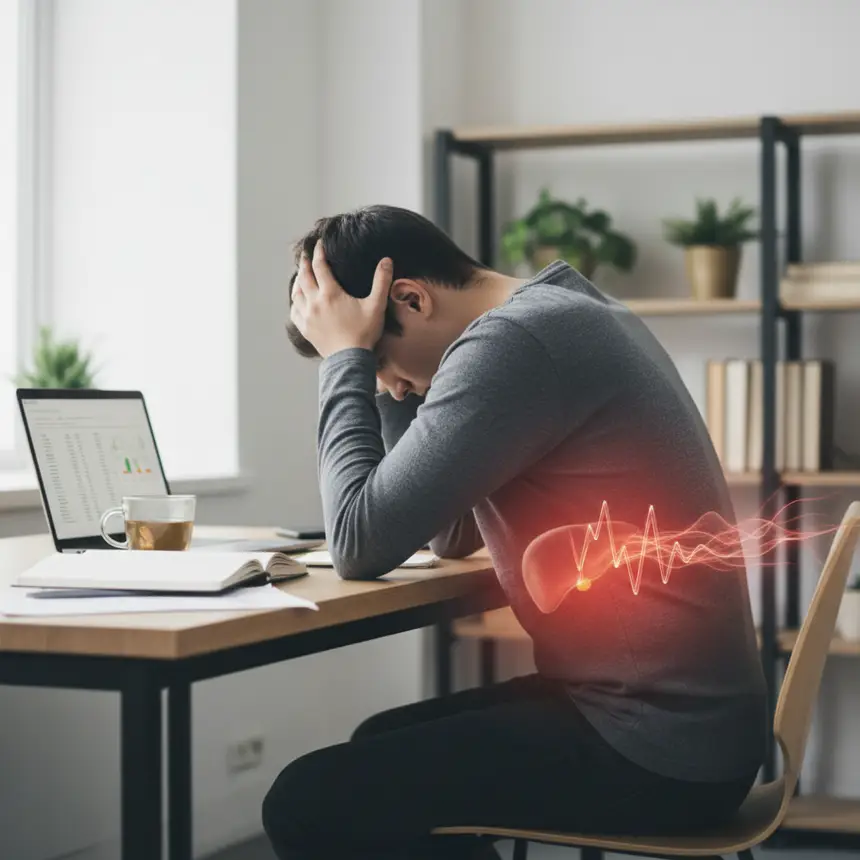
Have you recently felt like your body just isn't what it used to be? From your twenties through peri-menopause and beyond, many women experience a bewildering array of physical and emotional shifts. Perhaps you're feeling a persistent fatigue that regular rest doesn't shake, or your mood swings are more pronounced than usual. Skin issues might pop up more frequently, and even your menstrual cycle could become unpredictable. Some women also report unexplained hot flashes or difficulty sleeping soundly through the night. It's easy to dismiss these changes as just a part of aging or temporary stress, but they could actually be subtle signals of an underlying female hormonal imbalance. The demands of modern life—chronic stress, irregular routines, and less-than-ideal diets—are significant contributors to hormonal disruptions in women of all ages. Don't ignore these whispers from your body. Take some time to observe and even keep a journal of your symptoms. This initial step is crucial for embarking on a journey toward better health and balance.

The Crucial Role of Hormonal Balance and Its Warning Signs
Female hormones are far more than just regulators of reproductive function. Key hormones like estrogen and progesterone exert profound influences across your entire body, affecting everything from bone density and cardiovascular health to skin elasticity and emotional regulation. When this delicate hormonal equilibrium is disrupted, your body begins to communicate its distress in various ways.
These indicators can significantly diminish your quality of life and potentially impact your long-term well-being. Common culprits behind hormonal imbalance include chronic stress, erratic eating patterns, insufficient sleep, and excessive caffeine intake. To alleviate these symptoms and restore your body's harmony, focusing on specific nutritional support can be highly beneficial. For instance, plant compounds found in flaxseeds or soy products, magnesium for nervous system regulation, and a complex of B vitamins vital for energy metabolism can all positively contribute to maintaining your body's harmonious functions. If dietary changes are challenging, actively considering supplementation with these nutrients can be a practical step.
- Physical Manifestations: Sudden sensations of heat, night sweats, inexplicable fatigue, and a noticeable decline in sleep quality.
- Emotional Shifts: Unwarranted anxiety, irritability, heightened sensitivity, pronounced mood swings, and increased vulnerability to stress.
- External Changes: Dry skin, reduced skin elasticity, and unexplained weight gain in certain areas.
These indicators can significantly diminish your quality of life and potentially impact your long-term well-being. Common culprits behind hormonal imbalance include chronic stress, erratic eating patterns, insufficient sleep, and excessive caffeine intake. To alleviate these symptoms and restore your body's harmony, focusing on specific nutritional support can be highly beneficial. For instance, plant compounds found in flaxseeds or soy products, magnesium for nervous system regulation, and a complex of B vitamins vital for energy metabolism can all positively contribute to maintaining your body's harmonious functions. If dietary changes are challenging, actively considering supplementation with these nutrients can be a practical step.
※ This post contains affiliate links. I may earn a commission at no extra cost to you.


Practical Steps to Restore Hormonal Harmony in Daily Life
Achieving female hormonal balance isn't solely about medication or supplements; it's robustly supported by a holistic improvement in your overall lifestyle. Here are some actionable strategies you can implement starting today:
1. Maintain a Balanced Diet: Reduce your intake of processed foods and sugars. Instead, focus on whole grains, fresh vegetables, fruits, and healthy fats found in fatty fish or nuts rich in Omega-3s. Incorporating foods with plant compounds, like legumes, can also be beneficial. Eating regular meals at consistent times is equally important.
2. Engage in Regular Physical Activity: Consistently engage in at least 30 minutes daily of light walking, jogging, yoga, or Pilates. These activities help reduce stress and improve circulation. Opt for exercises you genuinely enjoy and can sustain, rather than overly intense regimens.
3. Ensure Adequate Sleep: Prioritize quality sleep, as it plays a critical role in hormonal regulation. Establish a consistent sleep schedule, going to bed and waking up at the same times each day. Minimize screen time before bed and create a serene sleeping environment.
4. Practice Stress Management: Discover and regularly practice your preferred stress-relief techniques, whether it's meditation, deep breathing exercises, engaging in hobbies, or connecting with friends. Stress is a primary factor that can exacerbate hormonal imbalances.
As you consistently integrate these habits into your life, pay close attention to how your body responds. Small, consistent changes accumulate over time, ultimately helping you regain balance in your body and mind, leading to a more vibrant everyday life.
1. Maintain a Balanced Diet: Reduce your intake of processed foods and sugars. Instead, focus on whole grains, fresh vegetables, fruits, and healthy fats found in fatty fish or nuts rich in Omega-3s. Incorporating foods with plant compounds, like legumes, can also be beneficial. Eating regular meals at consistent times is equally important.
2. Engage in Regular Physical Activity: Consistently engage in at least 30 minutes daily of light walking, jogging, yoga, or Pilates. These activities help reduce stress and improve circulation. Opt for exercises you genuinely enjoy and can sustain, rather than overly intense regimens.
3. Ensure Adequate Sleep: Prioritize quality sleep, as it plays a critical role in hormonal regulation. Establish a consistent sleep schedule, going to bed and waking up at the same times each day. Minimize screen time before bed and create a serene sleeping environment.
4. Practice Stress Management: Discover and regularly practice your preferred stress-relief techniques, whether it's meditation, deep breathing exercises, engaging in hobbies, or connecting with friends. Stress is a primary factor that can exacerbate hormonal imbalances.
As you consistently integrate these habits into your life, pay close attention to how your body responds. Small, consistent changes accumulate over time, ultimately helping you regain balance in your body and mind, leading to a more vibrant everyday life.
Frequently Asked Questions
Q. Can women in their 20s experience hormonal imbalances?
A. Yes, women in their 20s can absolutely experience hormonal imbalances due to academic or work stress, irregular eating habits, lack of sleep, and excessive stress. Irregular periods, sudden weight fluctuations, and mood swings are common indicators.
Q. What kind of diet is best to alleviate symptoms of hormonal imbalance?
A. A diet rich in whole grains, fresh vegetables and fruits, legumes (like tofu and beans), flaxseeds, nuts, and fatty fish high in Omega-3s is recommended. It's best to reduce consumption of processed foods, sugar, and trans fats.
Q. How does stress impact hormonal balance?
A. Chronic stress can increase the production of stress hormones like cortisol, which can then interfere with the production of female hormones. This can lead to various symptoms of hormonal imbalance, including irregular periods and mood swings.
Q. Can lifestyle changes alone restore hormonal balance?
A. Lifestyle changes are a crucial foundation for restoring hormonal balance. Regular exercise, a balanced diet, adequate sleep, and stress management all positively influence hormonal health. However, if symptoms are severe or persistent, consulting a healthcare professional is advisable.