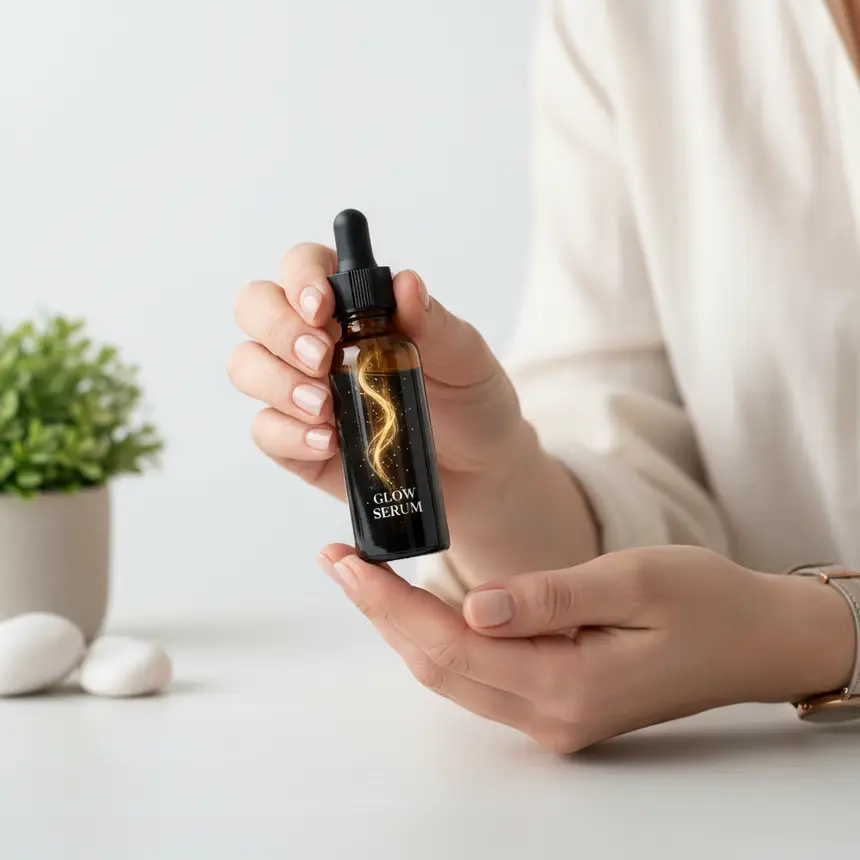
Embrace graceful aging with effective strategies to maintain vibrant skin. Discover how daily habits, nutrition, and mindful care can enhance skin elasticity and promote a youthful glow, naturally.

The Universal Journey of Skin Aging: Embracing Change with Confidence
Every individual encounters the natural progression of time reflected on their skin. The face, in particular, often presents the most noticeable signs of this journey. What was once firm and radiant skin may gradually show fine lines and some laxity, leading to a perceived loss of vibrancy. These visible shifts can sometimes extend beyond appearance, potentially affecting one's self-esteem. However, these changes don't have to be passively accepted. By proactively engaging in anti-aging practices, you can support your skin's elasticity and maintain a healthy, energetic appearance as years pass. The key lies in understanding these natural transformations and approaching them with informed, positive strategies.

Why Our Skin Changes: Understanding the Roots of Elasticity Loss
The decline in skin vitality and youthful resilience stems from a combination of factors. A primary contributor is the gradual degradation and reduction of collagen and elastin fibers, which form the skin's crucial support network. Production of these vital proteins begins to slow in the mid-twenties, and existing fibers become more susceptible to damage. This process diminishes the skin's density and elasticity, leading to the formation of wrinkles and sagging. Furthermore, external aggressors like UV radiation, erratic lifestyles, chronic stress, and environmental pollutants inflict damage on skin cells, accelerating the aging process. UV rays are particularly notorious for boosting enzymes that break down collagen and weakening the skin's protective barrier. Habits such as smoking and excessive alcohol consumption also promote oxidative stress, making the signs of aging more pronounced. The interplay of these internal and external elements ultimately manifests as reduced skin elasticity and other visible signs of aging.
※ This post contains affiliate links. I may earn a commission at no extra cost to you.


Holistic Anti-Aging Approaches: Nourishment, Activity, and Protection
To combat visible skin aging and maintain healthy skin elasticity, a multifaceted approach is essential. Firstly, diet plays a pivotal role in supplying the necessary nutrients for skin cell regeneration and collagen synthesis. Vitamin C directly supports collagen production and acts as a powerful antioxidant, protecting skin from damage. Therefore, incorporating plenty of citrus fruits, berries, and broccoli into your meals is highly beneficial. Adequate protein intake is also crucial, as protein serves as the building block for collagen and elastin; lean meats, fish, and legumes are excellent sources. Regular physical activity enhances blood circulation, ensuring efficient delivery of oxygen and nutrients to skin cells while aiding in waste removal. Even light aerobic exercise or stretching can contribute to a clearer complexion and a healthier skin tone. Lastly, sun protection is a non-negotiable defense against the most significant external cause of skin aging. Always apply broad-spectrum sunscreen when outdoors and consider using hats or sunglasses for added protection.

Your Daily Anti-Aging Ritual: Small Steps for Significant Skin Health
Achieving and maintaining healthy, supple skin doesn't require drastic measures; it begins with consistent daily habits. First, ensuring adequate hydration is paramount for preserving skin moisture and elasticity. Aim to drink at least eight glasses of water daily to hydrate your body from the inside out. Second, establish a consistent skincare routine that strengthens your skin barrier. After gentle cleansing, apply a toner, serum, and moisturizer rich in hydrating ingredients to supply ample moisture and nourishment. Products containing ceramides or hyaluronic acid are particularly effective. Third, quality sleep is crucial for skin regeneration. During sleep, skin cells repair damage and produce new cells, making 7-8 hours of consistent sleep vital each night. Finally, managing stress directly impacts skin health. Find stress-relief methods that work for you, whether it's meditation, a leisurely walk, or engaging in a hobby, to maintain mental and physical balance. These consistent practices will bring about remarkable improvements in your skin health and contribute significantly to anti-aging efforts.

Embracing Time with Radiance: Your Journey to Sustainable Skin Health
While skin aging is an undeniable part of life, how we care for and nurture our skin can significantly influence its appearance. There's no magical solution to rewind time, but consistent self-care and healthy lifestyle choices are powerful allies in maintaining skin elasticity and restoring its vitality. Begin today by implementing small changes, viewing them as an investment in yourself and committing to them consistently. A balanced diet, regular exercise, sufficient sleep, and proper skincare are not just for your skin; they contribute to your overall health and well-being, infusing positive energy into your life. We encourage you on your journey to preserve your unique radiance, gain confidence through healthy and beautiful skin, even as time continues its flow.
Frequently Asked Questions
Q. What are the most important nutrients for slowing down skin aging?
A. For slowing skin aging, Vitamin C, essential for collagen production, and antioxidant vitamins like Vitamin E and Beta-carotene, which help protect skin cells, are particularly important. Adequate protein intake, as a building block for skin components, is also crucial.
Q. Should I use sunscreen every day?
A. Yes, absolutely. UV radiation is a primary cause of skin aging. It's vital to use a broad-spectrum sunscreen that blocks both UVA and UVB rays daily, even on cloudy days or when indoors.
Q. How does exercise affect skin health?
A. Regular exercise improves blood circulation, which ensures a good supply of oxygen and nutrients to skin cells and aids in waste removal. This positively impacts skin tone, giving it a healthy glow, and helps maintain elasticity.
Q. Is there a special diet for skin elasticity?
A. Rather than a specific diet, it's important to consume a balanced diet rich in antioxidant-rich vegetables and fruits, omega-3 fatty acids from fish, and lean protein sources. Reducing processed foods and sugar intake is also highly recommended for better skin health.