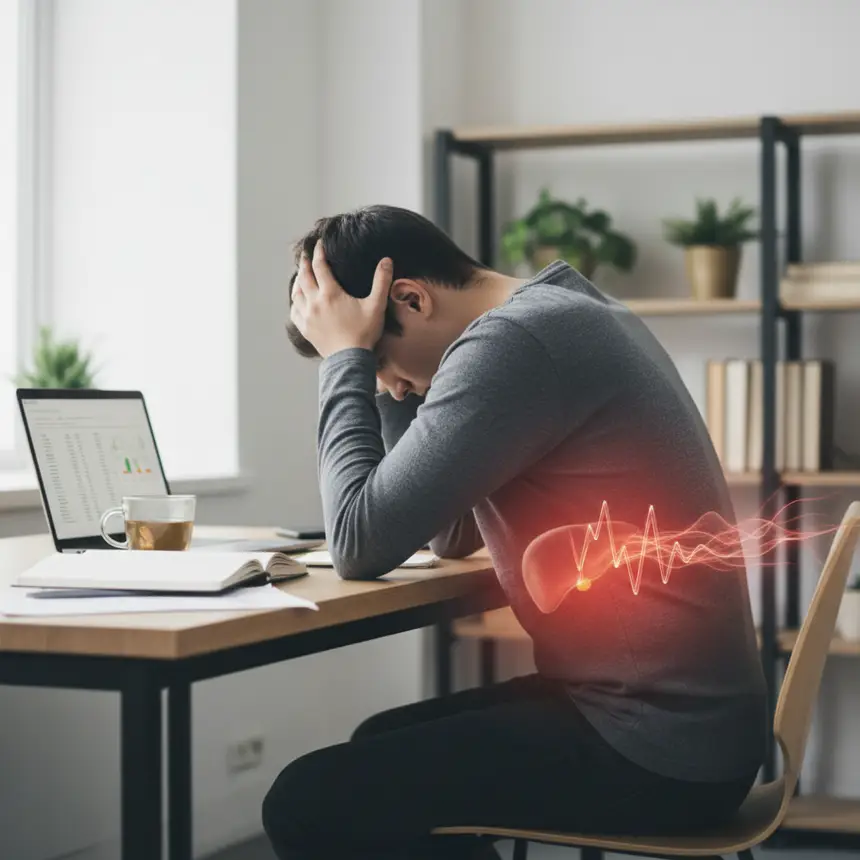
Are restless nights leaving you tired and stressed? Discover practical lifestyle strategies to improve your sleep quality. Learn to recognize your body's signals and reclaim your natural ability to fall asleep through light management, exercise, nutrition, and more. Implement these actionable tips tonight for a peaceful night and an energetic morning.

The Unwelcome Guest: When Sleep Refuses to Come
Have you ever found yourself lying in bed after a long day, physically exhausted, yet your mind is racing, wide awake? As the night stretches on and sleep remains elusive, the thought of the upcoming morning can fill you with dread. Nights of poor sleep often lead to a day filled with scattered focus, heightened irritability over minor issues, and a general mental fogginess. When this pattern persists, it goes beyond simple fatigue, negatively impacting every aspect of your daily life. For instance, you might struggle to concentrate during important meetings or find yourself overly stressed by situations you'd normally handle with ease. Losing the ability to fall asleep isn't just a nighttime problem; it's a critical signal from your body that can disrupt your entire waking life.

Your Body's Warning Signs: The Impact of Insufficient Sleep
When sleep is in short supply, our bodies send out a variety of warning signals. Headaches are a common symptom, often manifesting as a tightness around the temples or a dull ache, with eyes quickly fatiguing from screen time. This occurs because muscles that should relax during sleep remain tense. You might also notice stiffness and heaviness in your neck and shoulders, or even develop a habit of clenching your jaw during sleep. This muscle tension often intensifies right before bed, creating a vicious cycle that prevents restful sleep.
Digestive issues can also arise. Foods or late-night snacks that were once fine might suddenly cause bloating and excessive burping. A lack of appetite in the morning followed by intense hunger and overeating around lunchtime is common. This erratic eating pattern can trigger discomfort similar to acid reflux, causing heartburn when you lie down. Consuming stimulating foods or carbonated drinks late in the evening can significantly worsen these symptoms, so it's wise to be mindful of your intake.
Furthermore, an overactive stress response can lead to shallow breathing, a feeling of tightness in the chest, and an increased heart rate. These are signs that your autonomic nervous system might be out of balance due to prolonged stress. Subtle physical changes like skin breakouts, difficulty regulating body temperature (feeling hot at night and chilly in the early morning), can also be indirect indicators of sleep deprivation. When sleep quality declines, our bodies can start playing a discordant symphony, with multiple systems expressing distress.
Digestive issues can also arise. Foods or late-night snacks that were once fine might suddenly cause bloating and excessive burping. A lack of appetite in the morning followed by intense hunger and overeating around lunchtime is common. This erratic eating pattern can trigger discomfort similar to acid reflux, causing heartburn when you lie down. Consuming stimulating foods or carbonated drinks late in the evening can significantly worsen these symptoms, so it's wise to be mindful of your intake.
Furthermore, an overactive stress response can lead to shallow breathing, a feeling of tightness in the chest, and an increased heart rate. These are signs that your autonomic nervous system might be out of balance due to prolonged stress. Subtle physical changes like skin breakouts, difficulty regulating body temperature (feeling hot at night and chilly in the early morning), can also be indirect indicators of sleep deprivation. When sleep quality declines, our bodies can start playing a discordant symphony, with multiple systems expressing distress.
※ This post contains affiliate links. I may earn a commission at no extra cost to you.


Natural Paths to Restoring Your Sleep Quality
To reclaim your ability to sleep soundly, focusing on natural methods that help your body re-establish its inherent rhythms is often more effective than solely relying on medication. Significant improvements in sleep quality can be achieved through a few key lifestyle adjustments.
1. Optimize Light Exposure: Our bodies are highly responsive to light. In the evening, dim your indoor lighting and try to avoid screens from smartphones, tablets, and computers for at least 1-2 hours before bedtime. The blue light emitted by these devices can interfere with melatonin production, the hormone essential for initiating sleep. Conversely, exposing yourself to natural sunlight in the morning by opening curtains helps signal to your body that it's time to wake up and kickstarts your daily rhythm.
2. Regular Physical Activity: While intense exercise late at night can be overly stimulating and make it harder to fall asleep, moderate physical activity earlier in the day can greatly enhance sleep quality. Activities like a brisk walk before sunset that gets you lightly sweating, yoga, or stretching can be very beneficial. When your body is appropriately fatigued, you're less likely to toss and turn, and discomforts like restless legs can be alleviated. Consistent, moderate exertion provides a healthy kind of tiredness that is crucial for a peaceful night.
3. Assess Nutritional Status: Sometimes, deficiencies in certain nutrients can contribute to sleep issues. For example, iron deficiency has been linked to restless leg syndrome. Consider incorporating iron-rich foods (like red meat, spinach, legumes) into your diet, or consult a healthcare professional to assess your nutritional status and discuss supplementation if needed. Excessive caffeine intake is another common sleep disruptor, so it's best to limit coffee and other caffeinated beverages, especially in the afternoon and evening.
1. Optimize Light Exposure: Our bodies are highly responsive to light. In the evening, dim your indoor lighting and try to avoid screens from smartphones, tablets, and computers for at least 1-2 hours before bedtime. The blue light emitted by these devices can interfere with melatonin production, the hormone essential for initiating sleep. Conversely, exposing yourself to natural sunlight in the morning by opening curtains helps signal to your body that it's time to wake up and kickstarts your daily rhythm.
2. Regular Physical Activity: While intense exercise late at night can be overly stimulating and make it harder to fall asleep, moderate physical activity earlier in the day can greatly enhance sleep quality. Activities like a brisk walk before sunset that gets you lightly sweating, yoga, or stretching can be very beneficial. When your body is appropriately fatigued, you're less likely to toss and turn, and discomforts like restless legs can be alleviated. Consistent, moderate exertion provides a healthy kind of tiredness that is crucial for a peaceful night.
3. Assess Nutritional Status: Sometimes, deficiencies in certain nutrients can contribute to sleep issues. For example, iron deficiency has been linked to restless leg syndrome. Consider incorporating iron-rich foods (like red meat, spinach, legumes) into your diet, or consult a healthcare professional to assess your nutritional status and discuss supplementation if needed. Excessive caffeine intake is another common sleep disruptor, so it's best to limit coffee and other caffeinated beverages, especially in the afternoon and evening.

Practical Steps for a Restful Night
It's essential to minimize elements that disrupt your sleep and create an environment that naturally encourages relaxation. Here are some concrete steps you can take starting tonight:
1. Refine Your Evening Eating Habits: Aim to finish your last meal at least 2-3 hours before you plan to go to bed. Digestion is an active process for the body, so eating too late or consuming heavy, greasy foods can interfere with sleep. After dinner, a light stroll indoors or a short walk outside can aid digestion and help your body relax.
2. Dedicate Time for Thought Dumping: If you lie in bed with worries or to-do lists constantly swirling in your mind, sleep will be hard to come by. Dedicate about 15 minutes before bed to write down your thoughts, tasks for tomorrow, or any concerns in a journal. The act of externalizing these thoughts can calm your mind and reduce brain activity before sleep.
3. Establish a Bedtime Routine: Sticking to a consistent sleep schedule, going to bed and waking up at roughly the same time each day, helps regulate your body's internal clock. Before bed, create a personal wind-down routine such as a warm shower, light reading, meditation, or deep breathing exercises. Ensure your bedroom is dark, quiet, and cool for optimal sleep.
4. Avoid Forcing Sleep: If you find yourself still awake after 20 minutes of trying to sleep, don't just lie there in frustration. Get out of bed and engage in a quiet activity in another room, like reading a book or listening to soft music. Return to bed only when you feel genuinely sleepy. This helps your body associate the bed primarily with sleep and rest.
1. Refine Your Evening Eating Habits: Aim to finish your last meal at least 2-3 hours before you plan to go to bed. Digestion is an active process for the body, so eating too late or consuming heavy, greasy foods can interfere with sleep. After dinner, a light stroll indoors or a short walk outside can aid digestion and help your body relax.
2. Dedicate Time for Thought Dumping: If you lie in bed with worries or to-do lists constantly swirling in your mind, sleep will be hard to come by. Dedicate about 15 minutes before bed to write down your thoughts, tasks for tomorrow, or any concerns in a journal. The act of externalizing these thoughts can calm your mind and reduce brain activity before sleep.
3. Establish a Bedtime Routine: Sticking to a consistent sleep schedule, going to bed and waking up at roughly the same time each day, helps regulate your body's internal clock. Before bed, create a personal wind-down routine such as a warm shower, light reading, meditation, or deep breathing exercises. Ensure your bedroom is dark, quiet, and cool for optimal sleep.
4. Avoid Forcing Sleep: If you find yourself still awake after 20 minutes of trying to sleep, don't just lie there in frustration. Get out of bed and engage in a quiet activity in another room, like reading a book or listening to soft music. Return to bed only when you feel genuinely sleepy. This helps your body associate the bed primarily with sleep and rest.

The Journey to Recovery: Consistency for Healthy Sleep
Sleep is more than just a period of rest; it's the most vital process for our body and mind to recover and rejuvenate. The journey to reclaiming your ability to sleep soundly is not a sprint but a marathon. Some nights, it might feel like all your efforts are in vain, while others might surprise you with an unexpectedly peaceful rest. The key is not to be discouraged by occasional setbacks but to consistently explore and implement the habits that work best for you.
Our bodies respond honestly to the care we give them. Small efforts, like greeting the morning sun, reducing screen time in the evening, limiting late-night caffeine, engaging in light physical activity, and unburdening your mind before bed, accumulate to create significant positive change. By viewing sleep not just as an act of 'doing nothing' but as a goal of 'complete restoration' for body and mind, the process becomes even more meaningful. Start today by giving your body the rest it truly needs, and embrace the vibrant mornings that await you.
Our bodies respond honestly to the care we give them. Small efforts, like greeting the morning sun, reducing screen time in the evening, limiting late-night caffeine, engaging in light physical activity, and unburdening your mind before bed, accumulate to create significant positive change. By viewing sleep not just as an act of 'doing nothing' but as a goal of 'complete restoration' for body and mind, the process becomes even more meaningful. Start today by giving your body the rest it truly needs, and embrace the vibrant mornings that await you.
Frequently Asked Questions
Q. What drinks are good to have before bedtime?
A. Before bed, opt for caffeine-free herbal teas like chamomile or lavender, or a warm glass of milk. These can help relax your body. While alcohol might initially help you fall asleep, it often disrupts sleep quality later in the night and can cause you to wake up, so it's best to avoid it.
Q. Does napping affect nighttime sleep?
A. Short, well-timed naps (20-30 minutes) can be beneficial for reducing fatigue. However, long naps or naps taken too late in the day can interfere with your nighttime sleep. If you're struggling with insomnia, it's best to avoid napping in the late afternoon and, if necessary, keep naps very short and taken right after lunch.
Q. Is using a smartphone in bed bad for my sleep?
A. Yes, using a smartphone in bed has a very negative impact on sleep quality. The blue light emitted from screens suppresses the production of melatonin, a hormone crucial for sleep, making it harder to fall asleep. It also trains your brain to associate your bed with activities other than sleep, disrupting your sleep environment. It's best to keep smartphones out of the bedroom.
Q. Should I force myself to sleep if I can't fall asleep?
A. Forcing yourself to sleep can actually increase stress and anxiety, making it even harder to fall asleep. If you've been trying to sleep for 20 minutes or more without success, it's better to get out of bed and engage in a quiet, non-stimulating activity in another dimly lit room, such as reading or meditating. Return to bed only when you start to feel sleepy again.