Do you experience lower body swelling and abdominal discomfort from long hours of sitting? This article provides practical strategies for reducing bloating, improving circulation, and managing core health through lifestyle adjustments, exercises, and self-care tips.

Feeling Sluggish? You're Not Alone in the Sedentary Struggle
In our modern lives, sitting has become the default. Whether you're chained to a desk for work, enduring long commutes, or absorbed in hours of study, that familiar feeling of heavy, swollen legs and a bloated, uncomfortable abdomen by evening is all too common. It's easy to brush it off as just another part of being tired, but these symptoms are your body trying to tell you something important. Today, we’ll explore why these issues arise and, more importantly, how you can reclaim your vitality and comfort with practical strategies for managing lower body swelling and abdominal discomfort right from your daily routine.

The Root Causes: Why Your Lower Body Swells and Your Belly Bloats
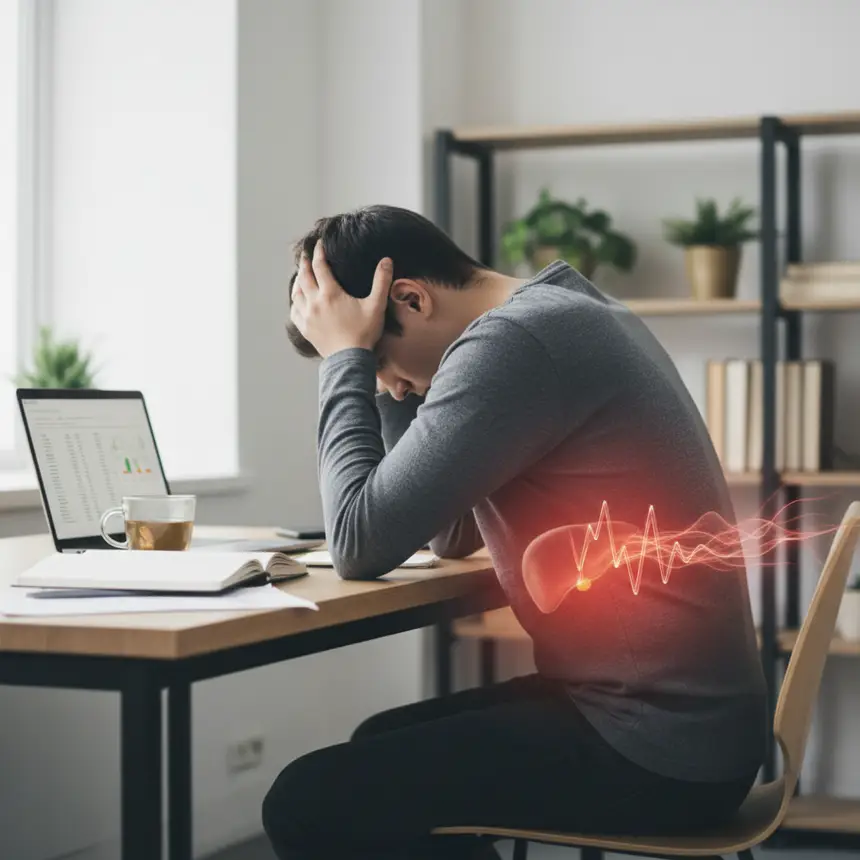
Prolonged sitting is a major culprit in disrupting your body's natural circulation. Gravity causes fluid to pool in your lower extremities, leading to that heavy feeling and visible swelling in your legs and ankles. This sluggish blood flow creates a vicious cycle of discomfort. Simultaneously, a lack of abdominal muscle engagement and constant pressure on your internal organs can slow down digestion and increase gas production, resulting in that uncomfortable bloated sensation. Other factors like chronic stress, irregular eating habits, and insufficient water intake can exacerbate these problems. These issues aren't just minor inconveniences; they can contribute to chronic fatigue and a general dip in your overall well-being. Understanding these causes is the first step toward effective management.
※ This post contains affiliate links. I may earn a commission at no extra cost to you.


Effective Strategies to Revitalize Your Body's Circulation
Addressing lower body swelling and abdominal discomfort requires a multifaceted approach.
- Deep Muscle Stimulation: Techniques like neuromuscular electrical stimulation (NMES) or targeted magnetic field therapy can activate deeper muscle layers, promoting contraction and relaxation. This aids in improving the circulation of stagnant bodily fluids, offering benefits akin to exercising even when physical movement is limited.
- Thermal Therapy: Utilizing radiofrequency or similar thermal modalities can gently raise tissue temperature. This helps relax tense muscles and enhances circulation in areas prone to fluid retention or cellulite. The soothing warmth penetrates deeply, softening stiff tissues and encouraging healthier blood flow.
- Lymphatic Drainage and Relaxation: Gentle massage techniques and specific stretches can stimulate the flow of lymphatic fluid, which is crucial for flushing out waste products and excess fluid from your body. This not only improves systemic circulation but also significantly reduces physical tension, promoting a sense of overall well-being.

Your Daily Action Plan
You don't need a grand overhaul; consistent small changes in your daily routine can make a huge difference.
1. Regular Movement Breaks: Every hour, take 5-10 minutes to stand up, gently massage your calves, or rotate your ankles. Simple calf raises and torso twists can significantly improve blood flow.
2. Hydrate Smart: Aim for at least 8 glasses of water a day. Staying well-hydrated helps thin your blood, aids in waste elimination, and prevents your body from retaining water. Avoid sugary drinks and excessive caffeine.
3. Incorporate Light Cardio: A brisk 30-minute walk during lunch or after work, or taking the stairs instead of the elevator, can boost lower body circulation and stimulate bowel movements, reducing bloating.
4. Evening Relaxation Rituals: Unwind with a warm foot bath or, after a shower, gently massage your legs upwards from ankles to thighs. For your abdomen, a clockwise circular massage can aid digestion and ease tension.
These subtle shifts will collectively contribute to a more comfortable and less swollen you.
1. Regular Movement Breaks: Every hour, take 5-10 minutes to stand up, gently massage your calves, or rotate your ankles. Simple calf raises and torso twists can significantly improve blood flow.
2. Hydrate Smart: Aim for at least 8 glasses of water a day. Staying well-hydrated helps thin your blood, aids in waste elimination, and prevents your body from retaining water. Avoid sugary drinks and excessive caffeine.
3. Incorporate Light Cardio: A brisk 30-minute walk during lunch or after work, or taking the stairs instead of the elevator, can boost lower body circulation and stimulate bowel movements, reducing bloating.
4. Evening Relaxation Rituals: Unwind with a warm foot bath or, after a shower, gently massage your legs upwards from ankles to thighs. For your abdomen, a clockwise circular massage can aid digestion and ease tension.
These subtle shifts will collectively contribute to a more comfortable and less swollen you.

Motivating Your Journey to Better Health
Lower body swelling and abdominal discomfort are more than just cosmetic concerns; they are vital signals from your body. Instead of ignoring these symptoms, proactive understanding and management are key. The various strategies and daily routines we've discussed are not complex or overly demanding. By consistently implementing these small habits, you'll undoubtedly start noticing positive changes in your body. As discomfort diminishes, your daily energy will rebound, leading to an overall enhancement in your quality of life. Listen to your body, and take that first step towards a healthier change today. Your consistent care and effort will pave the way for a brighter, more vibrant tomorrow.
Frequently Asked Questions
Q. What's the simplest way to reduce lower body swelling when sitting for long periods?
A. The easiest and most effective method is to frequently change your posture and stand up to walk around briefly. Activating your calf muscles helps blood circulation. Simple ankle rotations and up-and-down movements are also beneficial.
Q. Any dietary tips to alleviate abdominal bloating?
A. Focus on consuming plenty of fiber-rich fruits and vegetables, and make sure to eat slowly, chewing your food thoroughly. It's also helpful to moderate intake of gas-producing foods (like beans or broccoli) and carbonated drinks. Maintaining regular meal times can also contribute.
Q. How can I give myself a leg massage at home to reduce swelling?
A. After a shower, while applying lotion, gently stroke your legs upwards from your ankles towards your thighs. You can also lightly squeeze and release your entire leg with both hands, or use your fists to stroke up your calves. Pay extra attention to the ankle area.
Q. What exercises are good for abdominal management?
A. Exercises that strengthen core muscles, such as planks, crunches, and leg raises, are excellent for toning your abdominal area. Additionally, cardiovascular exercises like walking or swimming can improve gut motility and overall circulation, helping to reduce bloating.
Q. Does drinking water help with swelling, or make it worse?
A. Adequate water intake is crucial for reducing swelling. If your body feels dehydrated, it tends to retain more water, which can worsen swelling. Drinking enough water helps flush out waste products and maintains healthy blood circulation, thereby aiding in reducing fluid retention.