Struggling with stubborn fat in specific areas even after weight loss? Discover the causes and effective approaches to localized body contouring. Learn about personalized strategies and practical tips to achieve your desired body lines through scientific principles and consistent effort.

Why Are Some Areas So Resistant to Fat Loss?
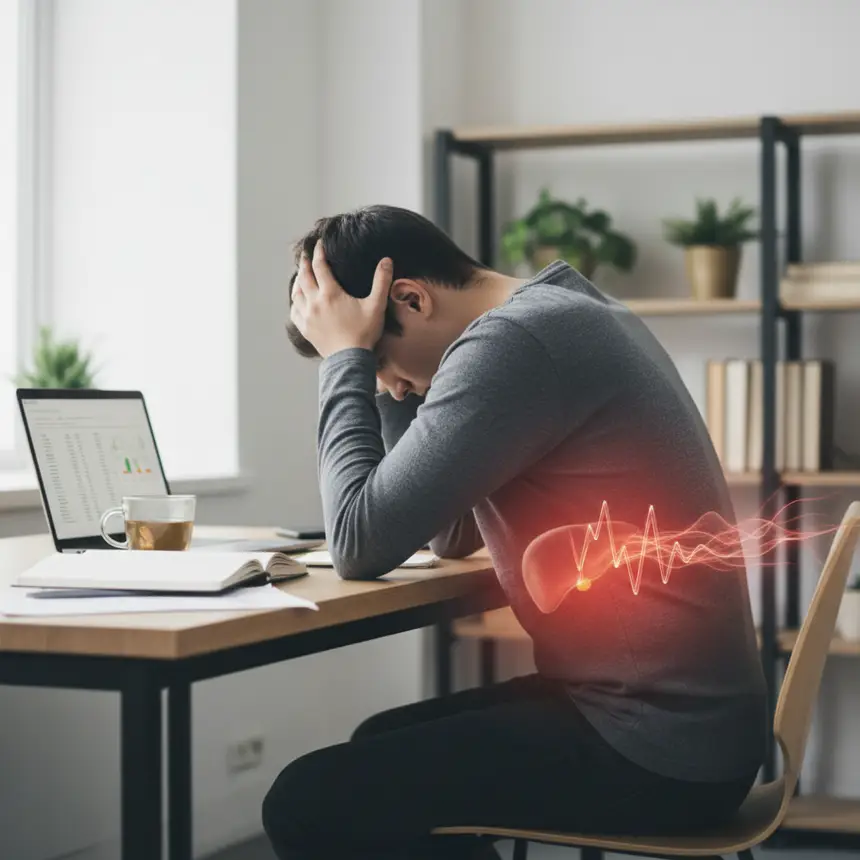
Many individuals diligently work towards weight loss, yet often find themselves frustrated by persistent fat in specific areas. Regions like the inner thighs, love handles, or the back of the arms can be particularly challenging to sculpt, even with consistent exercise and dietary changes. This phenomenon isn't solely about overall body fat percentage; it's a complex interplay of our physiological makeup and lifestyle habits. Certain body parts might have slower blood circulation or less efficient lymphatic drainage, hindering the effective removal of metabolic waste products from fat cells. For example, a sedentary lifestyle can lead to stagnation in the lower body, contributing to concerns about leg and hip contours. Additionally, factors like chronic stress or insufficient sleep can elevate cortisol levels, which in turn may promote fat accumulation around the abdomen. These individual variations in body structure, hormonal balance, and daily routines are key reasons why fat reduction can be more difficult in particular zones. Therefore, it's crucial to look beyond just the scale and understand your body's unique characteristics and the specific reasons for localized fat accumulation.

Scientific Approaches to Localized Body Sculpting
Achieving fat reduction in specific body areas demands a more refined strategy than general weight loss. Our body fat is primarily categorized into subcutaneous fat (just under the skin) and visceral fat (around organs). Targeted body contouring primarily focuses on addressing subcutaneous fat, which is often difficult to reduce through conventional diet and exercise alone. This specialized approach aims to resolve bodily imbalances and create more harmonious lines. Experts conduct a comprehensive assessment, analyzing an individual's fat distribution, skin elasticity, lifestyle habits, and previous body management experiences to formulate a personalized plan. For instance, techniques might be employed to improve blood flow and lymphatic drainage in stagnant areas, or methods that encourage fat cell breakdown and subsequent removal from the body. Increasingly, a combination of various techniques is utilized to achieve synergistic effects, leading to more effective body reshaping. The critical aspect is that these processes are not one-size-fits-all but are meticulously designed to align with each person's unique physical characteristics and aesthetic goals.
※ This post contains affiliate links. I may earn a commission at no extra cost to you.


The Journey of Body Contouring: Expectations and Sustaining Results
Localized body contouring is a journey that emphasizes gradual improvement through consistent effort, rather than expecting immediate, dramatic changes from a single session. After a treatment, the process of fat cell breakdown and elimination takes time, varying with individual metabolic rates. Initially, people often notice changes in the density of the fat when touched, while visible improvements in body lines typically become apparent after multiple sessions. Professionals generally recommend maintaining a consistent interval, such as 7 to 14 days between sessions. This allows for adequate tissue recovery and preparation for subsequent treatments, maximizing their cumulative effect. Attempting too many treatments too quickly or shortening intervals excessively can overstress the tissues and should be avoided. Post-treatment, temporary swelling or mild soreness is normal and part of the healing process. To support recovery, it's beneficial to drink plenty of water and engage in light activities like walking, which help promote lymphatic circulation. Furthermore, since fat cells are not entirely eliminated, maintaining a healthy diet and regular exercise is crucial. Reducing processed foods and refined carbohydrates, while focusing on protein and fiber-rich meals, can help sustain the results and prevent future fat re-accumulation. Ultimately, effective body contouring is a comprehensive endeavor that blends scientific approaches with dedicated, ongoing practical strategies.
Frequently Asked Questions
Q. Why do certain body areas seem resistant to fat loss?
A. Stubborn fat areas can be influenced by slower blood and lymphatic circulation, specific hormone receptor characteristics of fat cells in those regions, and lifestyle factors such as prolonged sitting or chronic stress.
Q. How soon can I expect to see noticeable changes after targeted body contouring?
A. While individual results vary depending on body type and treatment plan, a change in fat density may be felt around 3 sessions. Visually noticeable changes in body lines often become apparent after 5 or more consistent sessions. Consistency is key for optimal outcomes.
Q. What post-treatment care should I follow after localized body sculpting?
A. After treatment, ensure adequate hydration and light physical activity to support lymphatic circulation. It's advisable to avoid strenuous exercise, saunas, and alcohol for about a week. Maintaining a healthy diet rich in protein and fiber, while reducing processed foods, is also crucial for sustaining the treatment benefits.
Q. Does targeted body contouring also help with overall weight loss?
A. Targeted body contouring primarily focuses on improving body lines by addressing subcutaneous fat rather than directly reducing overall body weight. However, when combined with healthy lifestyle habits, it can positively contribute to overall weight management. For visceral fat reduction, cardiovascular exercise and dietary control remain essential.