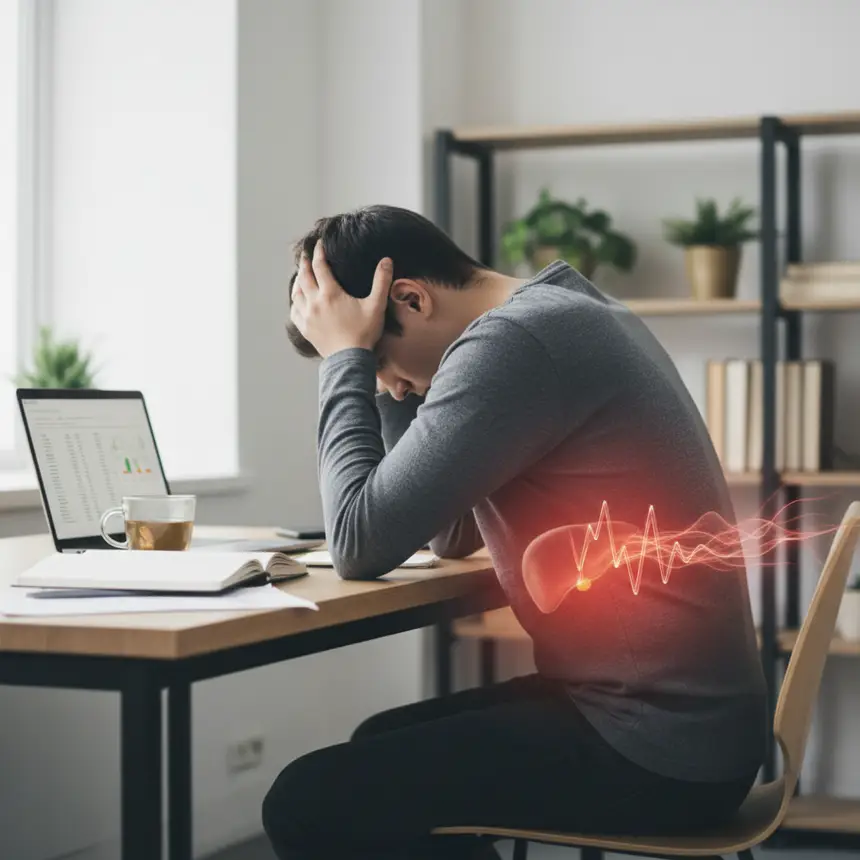
Chronic stress is more than just a mental issue; it can deeply impact your physical health and overall well-being. Discover how chronic stress affects your body and mind, and explore practical strategies to restore balance and vitality in your daily life.

The Body's Cry for Help: Understanding the Shadow of Chronic Stress
Many individuals navigating modern life often find themselves grappling with a persistent sense of unease, unexplained bodily discomfort, and relentless fatigue. From the moment they wake up, energy levels feel depleted, minor irritations spark disproportionate reactions, and a sense of mental peace seems elusive. These symptoms might be more than just simple tiredness; they could be powerful distress signals from your body. Prolonged chronic stress isn't merely a psychological burden; it can significantly impair your body's core functions and disrupt the delicate balance of your autonomic nervous system, profoundly impacting overall health. This can hinder your body's natural rhythms, drain your vitality, and trap you in a vicious cycle of diminished well-being. It's time to listen closely to these signals from your body and mind, understand their root causes, and actively seek ways to restore a healthy equilibrium.

Internal Imbalance: How Chronic Stress Affects Your Body and Strategies for Recovery
A state of chronic tension triggers a cascade of issues throughout our bodily systems. For instance, the persistent overactivation of the sympathetic nervous system can cause neck and shoulder muscles to become as tight as ropes, often leading to tension headaches that feel like a vice squeezing your head. Moreover, it can impede energy flow to the digestive organs, slowing down gut motility and causing discomforts such as indigestion, bloating, and irritable bowel syndrome-like symptoms. You might also experience cardiovascular symptoms like heart palpitations or chest tightness, even without physical exertion. Mentally, chronic stress often brings profound lethargy, lack of motivation, extreme mood swings over minor triggers, vague anxieties about the future, and sleep disturbances that prevent restful nights.
To resolve this imbalance, the focus must be on restoring the body's innate self-regulating capabilities. The key is to stabilize an overreactive nervous system and facilitate smooth internal energy circulation, helping organs regain their optimal function. This requires an integrated approach that goes beyond merely suppressing symptoms; it involves strengthening the body's inherent resilience from within, empowering it to find its own balance. For example, incorporating physical modalities that promote relaxation and circulation, or using nutritional and herbal support tailored to individual constitution, can effectively re-energize depleted bodily systems.
To resolve this imbalance, the focus must be on restoring the body's innate self-regulating capabilities. The key is to stabilize an overreactive nervous system and facilitate smooth internal energy circulation, helping organs regain their optimal function. This requires an integrated approach that goes beyond merely suppressing symptoms; it involves strengthening the body's inherent resilience from within, empowering it to find its own balance. For example, incorporating physical modalities that promote relaxation and circulation, or using nutritional and herbal support tailored to individual constitution, can effectively re-energize depleted bodily systems.
※ This post contains affiliate links. I may earn a commission at no extra cost to you.


Finding Serenity and Vitality Through Daily Practices
Cultivating consistent daily habits is crucial for regaining a healthy life balance. Here are several practical strategies to help stabilize your nervous system and enhance overall well-being:
These small changes, when combined, can foster harmony between your body and mind, helping you break free from the grip of chronic stress and reclaim a vibrant, peaceful daily life. Through consistent self-care, may you rediscover your innate radiant vitality.
- Limit Central Nervous System Stimulants: It's advisable to reduce or avoid the consumption of alcohol and caffeine, as these can exacerbate stress and anxiety. While alcohol might offer temporary relaxation, in the long run, it can further agitate the nervous system and degrade sleep quality.
- Healthy Emotional Release: Suppressed emotions burden both the body and mind. It's important to dedicate time to safely express and process your feelings, whether through journaling, talking with a trusted friend, or engaging in creative hobbies.
- Create a Calming Sleep Environment: Before bedtime, utilize white noise or soothing nature sounds to quiet an overactive brain and encourage restful sleep. Avoid screen time from smartphones or TVs, opting instead for relaxation activities like meditation or light reading to prepare for sleep.
- Maintain Body Warmth and Practice Diaphragmatic Breathing: Opt for lukewarm water over cold beverages to aid internal circulation and maintain healthy digestive function. Furthermore, in stressful situations, consistently practice diaphragmatic breathing – inhaling deeply through the nose and slowly exhaling through the mouth – to help rebalance the autonomic nervous system and calm both mind and body.
These small changes, when combined, can foster harmony between your body and mind, helping you break free from the grip of chronic stress and reclaim a vibrant, peaceful daily life. Through consistent self-care, may you rediscover your innate radiant vitality.
Frequently Asked Questions
Q. How can I manage physical pain and fatigue stemming from chronic stress in my daily life?
A. Managing pain and fatigue from chronic stress primarily involves reducing your overall stress levels. Regular gentle stretching, yoga, and deep breathing exercises can help alleviate muscle tension and improve bodily circulation. Additionally, ensuring adequate sleep, reducing caffeine and alcohol intake, and maintaining a nutritious diet are crucial for fatigue recovery. Taking warm showers or baths can also be very effective for relaxation.
Q. I often experience severe indigestion and abdominal discomfort when stressed. What should I do?
A. Stress can directly impact your digestive system. It's important to take your time while eating, chewing food thoroughly. During stressful periods, digestive enzyme production might decrease, so opt for easily digestible, bland foods and avoid overeating. A short walk after meals can aid digestion, and diaphragmatic breathing can help relax digestive organs. Consider sipping on herbal teas known to support digestion if needed.
Q. I have trouble falling asleep and staying asleep due to anxiety. Are there ways to improve my sleep?
A. Sleep difficulties due to anxiety are a common challenge. Try to stop using all electronic devices 1-2 hours before bedtime, and focus on relaxing activities like taking a warm shower or practicing light meditation. Maintaining a dark, quiet, and cool bedroom environment is also vital. Reduce caffeine intake from the afternoon onwards, and avoid heavy meals or strenuous exercise close to bedtime, as these can significantly improve sleep quality.