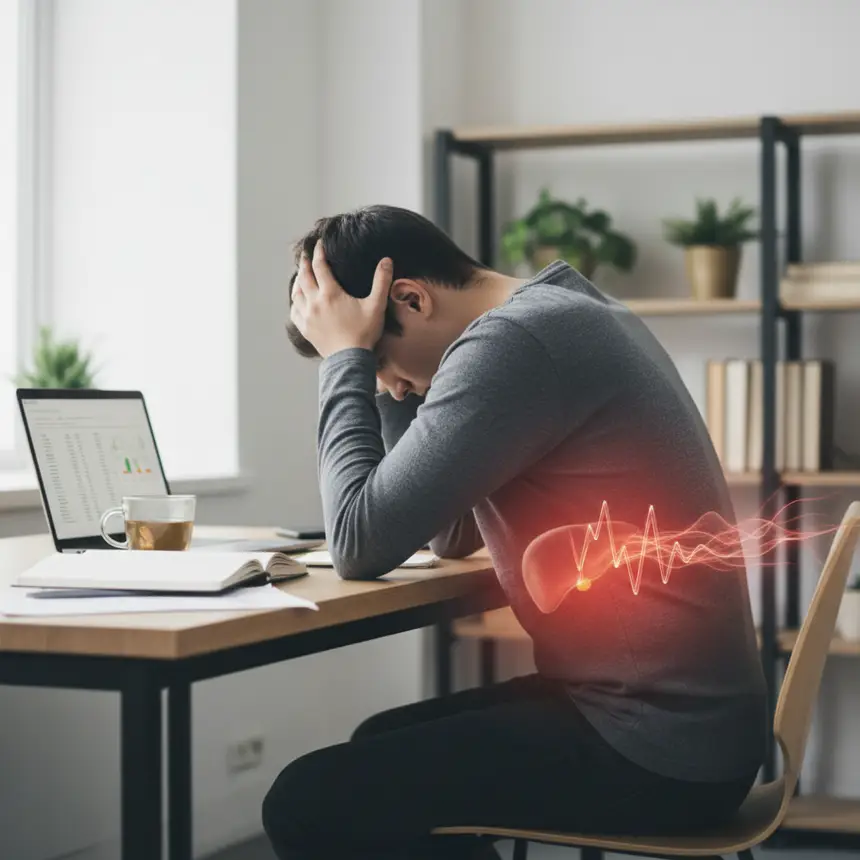
Many people experience back pain, but how do you know if it's a herniated disc or simple muscle strain? This guide clarifies the distinct differences between these common conditions, helping you accurately identify the source of your pain and take appropriate steps. Discover essential insights for your back health.

The Ubiquitous Ache: Understanding Your Back Pain
Back pain is a common companion for many adults, with statistics showing that a vast majority will experience it at least once in their lifetime. Yet, when that familiar ache in the lower back strikes, a crucial question often arises: Is this just a sore muscle from overdoing it, or could it be something more serious like a herniated disc? This confusion is not only common but can also lead to ineffective self-care or, worse, delay proper intervention. For instance, some might needlessly worry about a disc issue when it’s merely muscle fatigue, while others might dismiss a genuine spinal concern as a simple tweak. Understanding the distinct differences between a herniated disc and typical muscle strain is paramount for anyone seeking effective relief and long-term back health. It’s about more than just recognizing pain; it's about interpreting the specific signals your body sends to guide your actions towards recovery.

Deciphering the Signals: How to Tell the Difference
To accurately address back pain, one must become a keen observer of its characteristics. A herniated disc, medically known as a lumbar disc herniation, occurs when one of the spinal discs bulges or ruptures, pressing on nearby nerves. This typically results in pain that not only affects the lower back but also radiates down into the buttocks, thigh, calf, and even the foot – a phenomenon known as radiculopathy or sciatica. The pain might also intensify with activities that increase abdominal pressure, such as coughing, sneezing, or straining during bowel movements. Accompanying symptoms often include numbness, tingling, or weakness in the leg or foot, sometimes making it difficult to lift the foot or toes.
Conversely, general back muscle strain usually stems from muscle overuse, sudden movements, maintaining poor posture for extended periods, or minor trauma to the muscle fibers. This type of pain is typically localized to a specific area of the lower back and is often described as a dull ache, stiffness, or soreness, rather than sharp, shooting pain. It tends to worsen with movement or when pressure is applied to the affected muscle, but often finds relief with rest, gentle stretching, or applying heat. Unlike disc issues, muscle strains rarely present with neurological symptoms like leg numbness or significant weakness.
Pay close attention to whether your pain travels down your leg or if it's consistently in one spot. Also, note if coughing or sneezing exacerbates your discomfort, as this can be a significant clue.
Conversely, general back muscle strain usually stems from muscle overuse, sudden movements, maintaining poor posture for extended periods, or minor trauma to the muscle fibers. This type of pain is typically localized to a specific area of the lower back and is often described as a dull ache, stiffness, or soreness, rather than sharp, shooting pain. It tends to worsen with movement or when pressure is applied to the affected muscle, but often finds relief with rest, gentle stretching, or applying heat. Unlike disc issues, muscle strains rarely present with neurological symptoms like leg numbness or significant weakness.
- Observe the location and spread of pain: Is it confined to your back, or does it travel down your leg?
- Note the quality of pain: Is it a dull ache, or sharp and burning?
- Identify triggers and relievers: Does coughing or sneezing make it worse, or does it respond to specific movements or rest?
- Check for accompanying symptoms: Are you experiencing any numbness, tingling, or muscle weakness in your leg?
Pay close attention to whether your pain travels down your leg or if it's consistently in one spot. Also, note if coughing or sneezing exacerbates your discomfort, as this can be a significant clue.
※ This post contains affiliate links. I may earn a commission at no extra cost to you.


Beyond Guesswork: The Path to Effective Back Care
Accurately identifying the source of your back pain is more than just academic; it directly influences the effectiveness of your recovery strategy. Misinterpreting a herniated disc as mere muscle strain, for example, and only relying on rest and stretches, could lead to worsening nerve compression, chronic pain, or even mobility limitations. Conversely, over-worrying about a mild muscle strain, believing it to be a severe disc problem, can cause unnecessary anxiety, medical visits, and expenses.
A precise diagnosis acts as a roadmap, guiding you toward the most appropriate interventions, preventing further damage, and charting a clear course for healing. Given that disc issues can lead to nerve damage, early and accurate diagnosis is critical. Muscle strains, on the other hand, often resolve with conservative measures like rest, proper posture, and light exercise. Therefore, if your back pain persists for more than a few days, intensifies, or is accompanied by neurological symptoms like leg numbness or weakness, seeking professional medical advice is a smart move. A healthy spine is fundamental to an active and fulfilling life. Don't ignore your body's signals; take proactive steps to manage your pain and reclaim your comfort and well-being.
A precise diagnosis acts as a roadmap, guiding you toward the most appropriate interventions, preventing further damage, and charting a clear course for healing. Given that disc issues can lead to nerve damage, early and accurate diagnosis is critical. Muscle strains, on the other hand, often resolve with conservative measures like rest, proper posture, and light exercise. Therefore, if your back pain persists for more than a few days, intensifies, or is accompanied by neurological symptoms like leg numbness or weakness, seeking professional medical advice is a smart move. A healthy spine is fundamental to an active and fulfilling life. Don't ignore your body's signals; take proactive steps to manage your pain and reclaim your comfort and well-being.
Frequently Asked Questions
Q. What's the first thing I should consider if I have back pain?
A. Focus on whether the pain is localized to your back or if it radiates down into your buttocks or leg. Also, pay attention if coughing or sneezing makes the pain worse.
Q. How long does typical back muscle strain usually last?
A. Most simple muscle strains tend to improve within a few days to a week with adequate rest and gentle stretching. Applying heat can also provide relief.
Q. What are the key signs that might point to a herniated disc?
A. If your back pain is accompanied by symptoms like radiating pain down your leg, numbness, tingling, or muscle weakness that makes it hard to move your ankle or toes, you should suspect a herniated disc.
Q. If my back pain goes down my leg, does that automatically mean it's a disc issue?
A. Not necessarily, but radiating pain down the leg (sciatica) is a hallmark symptom of a herniated disc. Other conditions can also cause similar symptoms, so an accurate diagnosis is crucial.
Q. Can I just self-diagnose my back pain, or should I see a doctor?
A. While self-assessment can help with initial understanding, if your pain persists, worsens, or is accompanied by neurological symptoms, it's always safer and more effective to seek professional medical evaluation and advice.