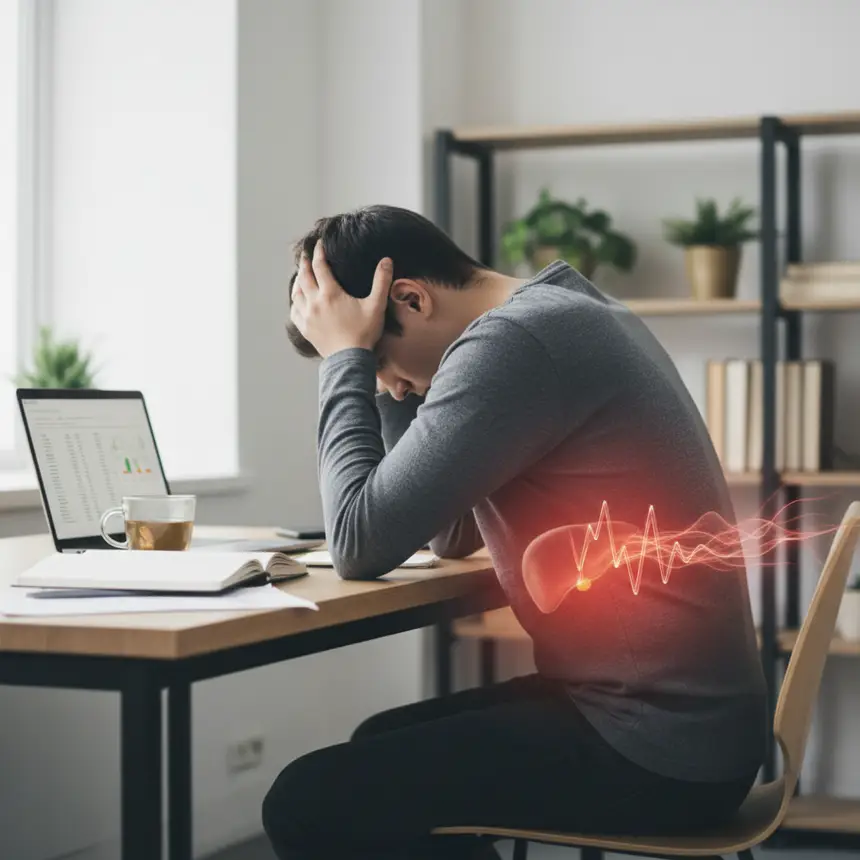
Chronic stress might be disrupting your female hormone balance. Discover how to protect your adrenal health and restore hormonal equilibrium through dietary and lifestyle changes to reclaim your vitality.

Feeling Drained? The Subtle Impact of Chronic Stress on Your Body
Do you wake up feeling unrested, experience unusual mood swings, or find yourself constantly tired without a clear reason? Perhaps you've noticed subtle changes in your body or just don't feel like your usual self. These feelings might be more than just everyday fatigue; they could be your body signaling an imbalance. In our fast-paced lives, we're constantly exposed to various forms of stress, and when this stress becomes a long-term companion, our bodies begin to react in unexpected ways. For women especially, chronic stress can have a profound yet often unnoticed impact on crucial hormonal balance. Let's explore how prolonged stress affects our body, particularly the female hormone system, and discover practical steps to restore that vital equilibrium.

Stress and Hormonal Imbalance: How Adrenal Strain Affects Women's Health
Above your kidneys sit small but mighty glands called adrenals. These glands are critical for producing hormones that help us manage stress, notably cortisol and DHEA (dehydroepiandrosterone). In short-term stressful situations, cortisol is a hero—it helps reduce inflammation and mobilizes energy to deal with the immediate threat. However, when stress becomes chronic, the picture changes dramatically. Your adrenal glands can become overworked, constantly churning out cortisol. This sustained demand can eventually lead to a state where adrenal function is compromised, manifesting as persistent fatigue, digestive issues, or a weakened immune response.
Crucially, a decline in DHEA production significantly impacts women's health. DHEA acts as a precursor, a building block, for important sex hormones like estrogen and testosterone. When chronic stress pushes your adrenals to prioritize cortisol production, DHEA output often decreases. This diversion of resources means fewer raw materials are available for producing essential female hormones, leading to potential hormonal imbalances. These imbalances can trigger symptoms like irregular menstrual cycles, mood fluctuations, and skin concerns. The stress we face can be categorized as environmental (pollution, nutrient deficiencies), psychological (work pressure, relationships, financial worries), or physical (lack of sleep, minor injuries, over-exercising). Regardless of its form, your body responds similarly, placing a cumulative burden on your adrenal glands.
Crucially, a decline in DHEA production significantly impacts women's health. DHEA acts as a precursor, a building block, for important sex hormones like estrogen and testosterone. When chronic stress pushes your adrenals to prioritize cortisol production, DHEA output often decreases. This diversion of resources means fewer raw materials are available for producing essential female hormones, leading to potential hormonal imbalances. These imbalances can trigger symptoms like irregular menstrual cycles, mood fluctuations, and skin concerns. The stress we face can be categorized as environmental (pollution, nutrient deficiencies), psychological (work pressure, relationships, financial worries), or physical (lack of sleep, minor injuries, over-exercising). Regardless of its form, your body responds similarly, placing a cumulative burden on your adrenal glands.
※ This post contains affiliate links. I may earn a commission at no extra cost to you.


Lifestyle Adjustments for Adrenal Health and Hormonal Balance
To address hormonal imbalances stemming from chronic stress, it's essential to reduce the burdens on your body and support its natural ability to recover, including adrenal function. Focusing on controllable factors like diet and daily habits can yield significant positive results.
- Nutrient-Dense Diet: Minimize refined sugars, processed foods, and excessive simple carbohydrates (like white bread, pasta, and sugary snacks). Instead, prioritize fresh vegetables, fruits, whole grains, lean proteins, and healthy fats (such as avocados, nuts, seeds, olive oil, and fatty fish). Supplying your body with the necessary nutrients for hormone production is fundamental for adrenal well-being.
- Moderate Caffeine Intake: While coffee and energy drinks offer a temporary boost, they can overstimulate your adrenal glands over time, leading to exhaustion. Consider reducing your intake or opting for caffeine-free alternatives like herbal teas or decaf options.
- Consistent Hydration: Drinking enough water throughout the day is a basic yet powerful health strategy. It supports overall bodily functions and aids in toxin elimination.
- Regular, Gentle Physical Activity: Rather than intense workouts that might add to stress, incorporate gentle activities like yoga, stretching, or light walking. These help to relax the body and mind, offering effective stress relief.

Practical Strategies for Daily Stress Management and Hormonal Harmony
Beyond a healthy diet and regular exercise, there are numerous practical strategies you can integrate into your daily life. These small, consistent changes can accumulate into substantial benefits for your well-being.
- Prioritize Quality Sleep: Sleep is paramount for your body's recovery and hormonal regulation. Establish a consistent sleep schedule, create a relaxing bedtime routine by avoiding screens, and ensure your sleep environment is calm and dark.
- Practice Mindfulness and Relaxation: Techniques such as meditation, deep breathing exercises, yoga, or Tai Chi can activate your parasympathetic nervous system, reducing stress responses and promoting inner calm. Dedicate even just 10 minutes a day to a personal relaxation practice.
- Engage in Joyful Activities: Actively participate in activities that relieve stress and foster positive emotions, such as hobbies, social connections, or spending time in nature. Laughter is a powerful stress reducer, and a walk in the sunshine can boost creativity and calm the mind.
- Seek Professional Guidance: If you're experiencing persistent stress or physical symptoms that feel overwhelming, consulting a healthcare professional is a wise step. They can help you find tailored solutions, which might include nutritional counseling or specialized stress management programs for more structured support.

Investing in Yourself: The First Step Towards a Healthier Life
Chronic stress can silently infiltrate our bodies, exerting a more significant impact on our hormonal balance, particularly the female hormone system, than we might realize. However, this is not an unchangeable fate. With awareness and effort, it's a condition that can be managed and significantly improved. Your body responds to how you treat it. Instead of thinking, 'I'm too stressed to take care of my body,' recognize that nurturing your physical self is actually a direct path to reducing stress and reclaiming peace of mind.
A balanced diet, adequate rest, and regular mindfulness practices contribute not only to physical health but also to mental and emotional well-being, fostering holistic wellness. Start today by listening to your body and mind, and embark on a journey toward a healthy, balanced life with small, consistent changes. Your body is your most valuable asset. Cherishing and caring for it is indeed an act of self-love and the foundation for a vibrant future.
A balanced diet, adequate rest, and regular mindfulness practices contribute not only to physical health but also to mental and emotional well-being, fostering holistic wellness. Start today by listening to your body and mind, and embark on a journey toward a healthy, balanced life with small, consistent changes. Your body is your most valuable asset. Cherishing and caring for it is indeed an act of self-love and the foundation for a vibrant future.
Frequently Asked Questions
Q. Does chronic stress always lead to lower female hormone levels?
A. Chronic stress can hinder the production of DHEA, a precursor essential for female hormone synthesis, thus likely impacting female hormone levels. However, the exact impact on hormonal balance can vary from person to person depending on individual stress responses. If stress persists, it's advisable to consult a healthcare professional for an accurate assessment.
Q. What foods should I avoid to reduce stress?
A. Foods high in refined sugars, excessive carbohydrates (white bread, pastries, sugary drinks), processed foods, and trans fats can cause rapid blood sugar spikes and inflammation, contributing to physical stress. Excessive caffeine and alcohol can also strain the adrenal glands, so moderating their intake is recommended.
Q. How can I tell if chronic stress has affected my adrenal glands?
A. While self-diagnosis isn't advisable, persistent symptoms such as chronic fatigue, difficulty getting out of bed in the morning, strong cravings for sweets, digestive issues, insomnia, weakened immunity, and mood swings could indicate compromised adrenal function. Consulting a healthcare professional for proper evaluation is recommended.
Q. Walking is said to be good for stress relief. How exactly does it help?
A. Walking activates the parasympathetic nervous system, which helps to lower heart rate and relax the body. Furthermore, walking in nature can reduce mental fatigue and induce positive moods. Exposure to sunlight during walks also promotes Vitamin D synthesis, contributing to overall health and mood improvement.