Experiencing memory decline in your 60s? Is it just aging? Discover the key causes and practical lifestyle changes to protect your brain health and maintain a vibrant daily life. This guide covers diet, exercise, sleep, and mental stimulation activities. Find concrete strategies you can start today to activate your brain function, regardless of age, and embrace a sharper, healthier future.

Those Annoying 'Senior Moments' – Are They More Than Just That?
Have you ever spent frustrating minutes searching for your car keys you just put down, or had a familiar name lingering on the tip of your tongue, just out of reach? What about walking into a room only to completely forget why you went there in the first place? These little lapses in memory are common experiences, especially as we approach and enter our 60s. While it’s easy to dismiss them as simply 'getting older,' these moments might actually be subtle signals from your brain. Instead of brushing them off, it’s crucial to recognize them as an invitation to check in on your brain health and start proactively managing it. Understanding these changes is the first step towards maintaining a sharp mind. Why not begin a small change for your brain's well-being today?
Understanding the Shift: Why Brain Function Changes in Your 60s
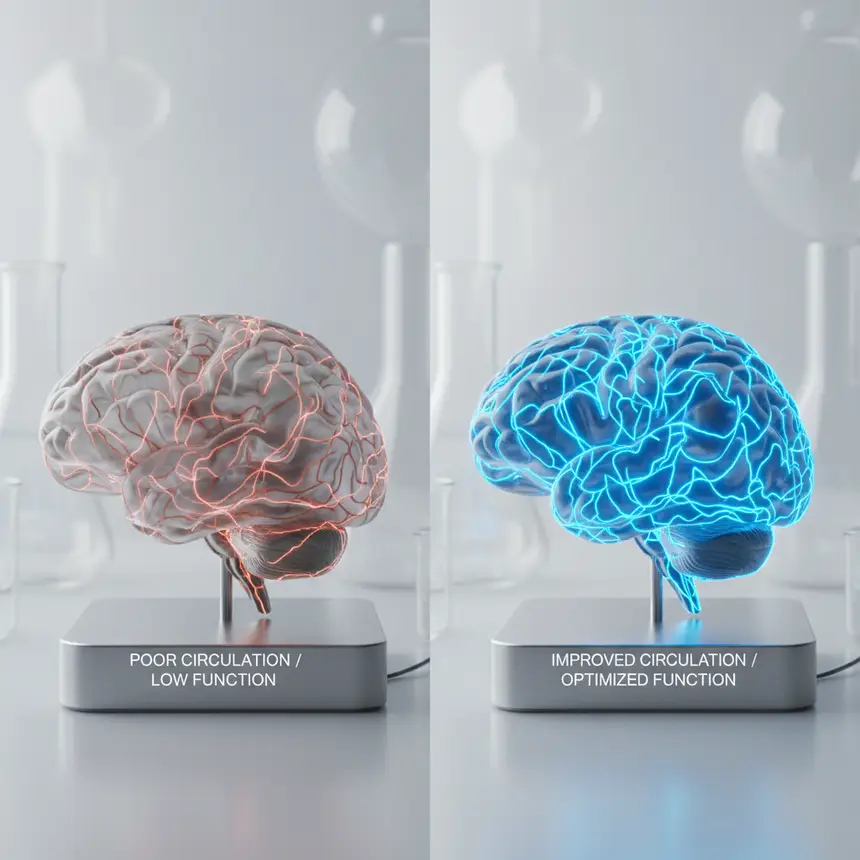
Our brain is the command center of our body, responsible for thoughts, memories, and coordinating every action. As we reach our sixties, several interconnected factors can contribute to changes in brain function. Firstly, reduced blood flow to the brain plays a significant role. For optimal performance, your brain needs a consistent and ample supply of oxygen and nutrients. When physical activity decreases and circulation isn't as efficient, brain cells can lack the necessary energy, slowing down information processing and memory recall. Secondly, declining sleep quality is a major contributor. During sleep, your brain busily consolidates memories and processes daily information. Insufficient deep sleep disrupts this vital process, leading to a noticeable dip in both memory and concentration. Thirdly, nutritional imbalances can severely impact brain health. Your brain and nervous system rely on specific nutrients to function. If your diet becomes limited or you favor certain foods over others, crucial proteins, vitamins, and minerals can become deficient, impairing cognitive abilities. Finally, a decrease in mental stimulation contributes to this decline. When daily routines become too monotonous and new learning or social interactions diminish, the brain doesn't receive the necessary challenges to stay active and can gradually decline in function.
※ This post contains affiliate links. I may earn a commission at no extra cost to you.


The Triple Threat: Diet, Exercise, and Sleep for a Sharper Mind
To rejuvenate your brain function and fortify your memory, a multi-faceted approach is essential. Start with a brain-optimized diet. Include high-quality proteins like lean meats, fish, legumes, and eggs in every meal, as they are crucial for brain cell structure and neurotransmitter production. Don't forget Omega-3 fatty acids, found in fatty fish and nuts, which help reduce brain inflammation and protect nerve cells. Foods rich in antioxidants, such as berries, dark leafy greens, and whole grains, are vital for protecting brain cells from damage. Next, regular physical activity is excellent for improving brain blood flow. Just 20-30 minutes of aerobic exercise daily—like brisk walking, light jogging, or swimming—can deliver fresh oxygen and nutrients to your brain, enhancing cognitive function. Lastly, quality sleep is non-negotiable for brain recovery and memory consolidation. Aim to power down all screens, including smartphones and TVs, at least an hour before bedtime. Create a quiet, dark, and cool bedroom environment to encourage deep, restorative sleep.

Integrating Brain-Boosting Habits into Your Daily Life
You don't need to overhaul your entire routine to boost your brain health; small, consistent changes can make a big difference. First, refining your diet can be simple. For dinner tonight, try grilling some salmon rich in Omega-3s, or adding a serving of lentils to your meal. For snacks, ditch sugary processed foods and opt for a handful of walnuts or almonds, or a cup of fresh berries. Second, physical activity doesn't require a gym membership. Take a brisk 15-minute walk around your neighborhood after lunch, or do a simple 10-minute stretching routine at home in the evening. Even choosing stairs over the elevator adds up. Third, mental stimulation can be fun and varied. Try cooking a new recipe, or pick up a book from a genre you've never explored. Engaging in board games like Scrabble with friends or solving a daily crossword puzzle can provide valuable mental workouts. The key is to consistently try something new and keep your brain actively engaged. These habits will not only support your memory but also inject more vitality into your overall life.

Your Memory: A Lighthouse for Life. Consistent Care Keeps it Bright.
Memory decline is more than just forgetting information; it directly impacts the ease of daily living and our overall quality of life and independence. While changes in memory after 60 might seem like an inevitable part of aging, the pace and severity of these changes are largely within our control. By consistently applying the brain health principles we've discussed today, your brain will respond positively. A diet rich in protein and essential nutrients, regular physical exercise, sufficient quality sleep, and continuous mental stimulation are powerful pillars for maintaining a clear and healthy mind. It's never too late to start investing in your brain health. A vibrant and sharp mind in your later years is not just a dream; it's an achievable reality. We encourage you on your journey towards a brighter future, powered by your healthy brain.
Frequently Asked Questions
Q. Is memory loss just a normal part of getting older?
A. While some memory changes can occur with aging, not all memory decline is normal or inevitable. Proactive lifestyle adjustments and brain health management can slow down the process and help maintain cognitive function.
Q. What specific foods or nutrients are best for brain health?
A. A diet rich in Omega-3 fatty acids, antioxidants (berries, dark leafy greens), B vitamins, and protein is beneficial for brain health. Focus on fatty fish, nuts, whole grains, legumes, and plenty of fresh fruits and vegetables.
Q. What kind of exercise is most effective for maintaining memory?
A. Regular aerobic exercise (like walking, jogging, or swimming) for 20-30 minutes daily helps increase blood flow to the brain, which is crucial for memory maintenance. Light stretching and strength training also contribute to overall well-being.
Q. Besides getting enough sleep, how can I improve my sleep quality for brain health?
A. Maintain a consistent sleep schedule, avoid screens for at least an hour before bed, and create a dark, quiet, and cool bedroom environment. Reducing caffeine and alcohol intake, especially in the evening, can also significantly improve sleep quality.
Q. What are some good hobbies or activities to keep my brain active?
A. Engaging in activities that challenge your brain, such as reading, writing, learning a new language or instrument, painting, solving puzzles, playing board games, or trying new recipes, can effectively stimulate cognitive function.