Are you struggling with debilitating menstrual cramps every month? This guide breaks down the causes of period pain and offers actionable tips, from diet to lifestyle changes, to help you find relief. Reclaim your comfort and daily life.

When Your Monthly Cycle Takes Over Your Life
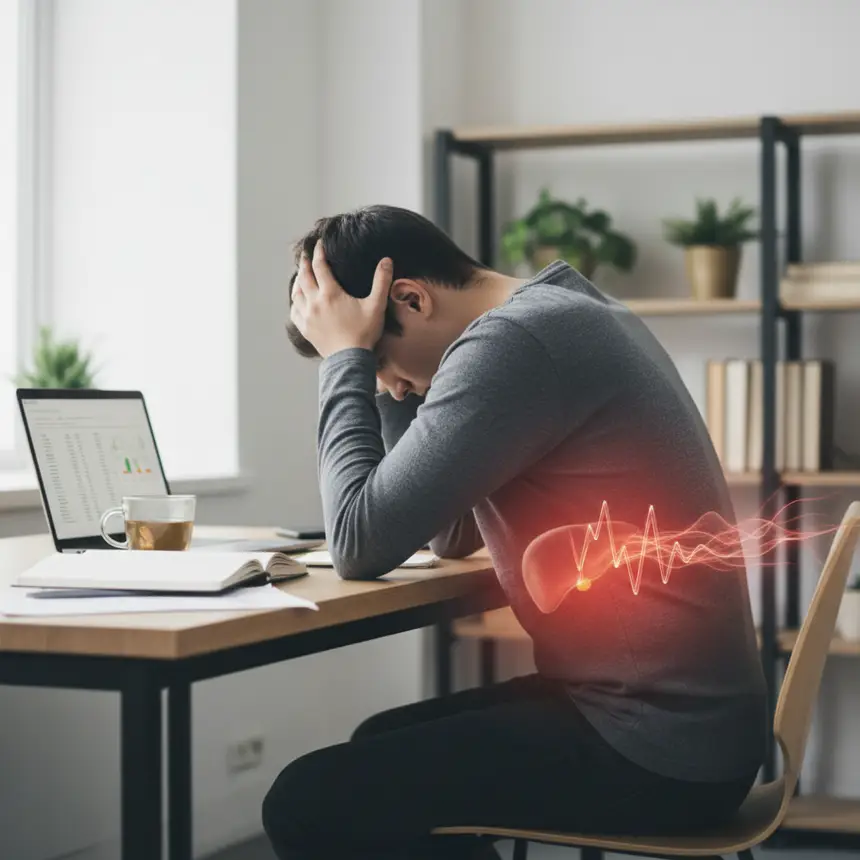
For many, that time of the month means more than just a calendar reminder; it brings a wave of intense lower abdominal pain that can completely derail daily life. What starts as a mild discomfort can quickly escalate into debilitating cramps, often radiating to the back and hips, making it hard to concentrate at work, enjoy social events, or even get a good night's sleep. It’s easy to feel like this is just something you have to endure, but your body is sending you clear signals. Understanding these signals and proactively managing your menstrual cramps can be a game-changer. Let's explore why these pains occur and how you can take practical steps to reclaim comfort and control over your monthly cycle.
Understanding the Roots of Your Period Pain
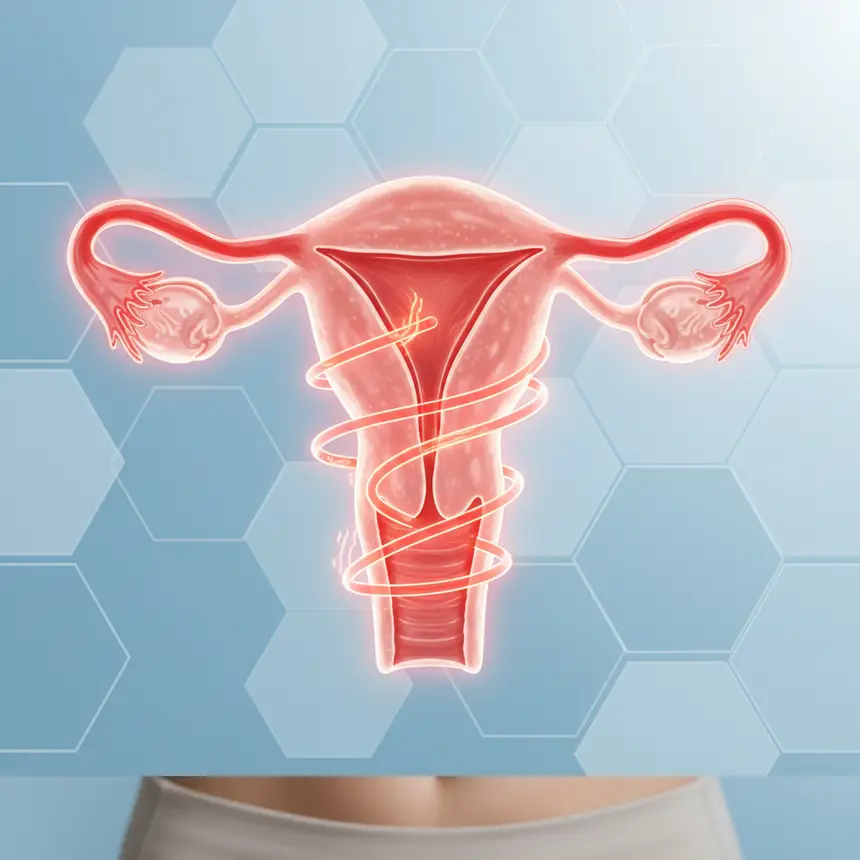
Menstrual cramps, scientifically known as dysmenorrhea, are the throbbing or cramping pains in the lower abdomen that many women experience before or during their period. The primary culprit behind these intense sensations is often an overproduction of prostaglandins within the uterus. These hormone-like substances are essential for triggering uterine muscle contractions that help shed the uterine lining. However, when prostaglandin levels are too high, these contractions become excessively strong, temporarily constricting blood vessels in the uterus. This reduces blood flow and oxygen supply to the uterine muscles, leading to the sharp, intense pain you feel.
Beyond prostaglandins, other factors play a significant role. Hormonal imbalances, particularly fluctuations in estrogen and progesterone, can heighten the uterus's sensitivity to pain. Lifestyle elements like high stress levels, inadequate sleep, irregular eating habits, and nutritional deficiencies can also contribute to more severe symptoms by disrupting the body's overall balance. Recognizing what triggers or exacerbates your pain is the first step toward effective management.
Beyond prostaglandins, other factors play a significant role. Hormonal imbalances, particularly fluctuations in estrogen and progesterone, can heighten the uterus's sensitivity to pain. Lifestyle elements like high stress levels, inadequate sleep, irregular eating habits, and nutritional deficiencies can also contribute to more severe symptoms by disrupting the body's overall balance. Recognizing what triggers or exacerbates your pain is the first step toward effective management.
※ This post contains affiliate links. I may earn a commission at no extra cost to you.

Practical Steps to Soothe Your Cycle: Everyday Strategies
Managing menstrual cramps effectively often comes down to consistent, mindful adjustments in your daily routine. Small, sustained changes can significantly reduce the intensity of your pain and enhance your overall well-being during your period.
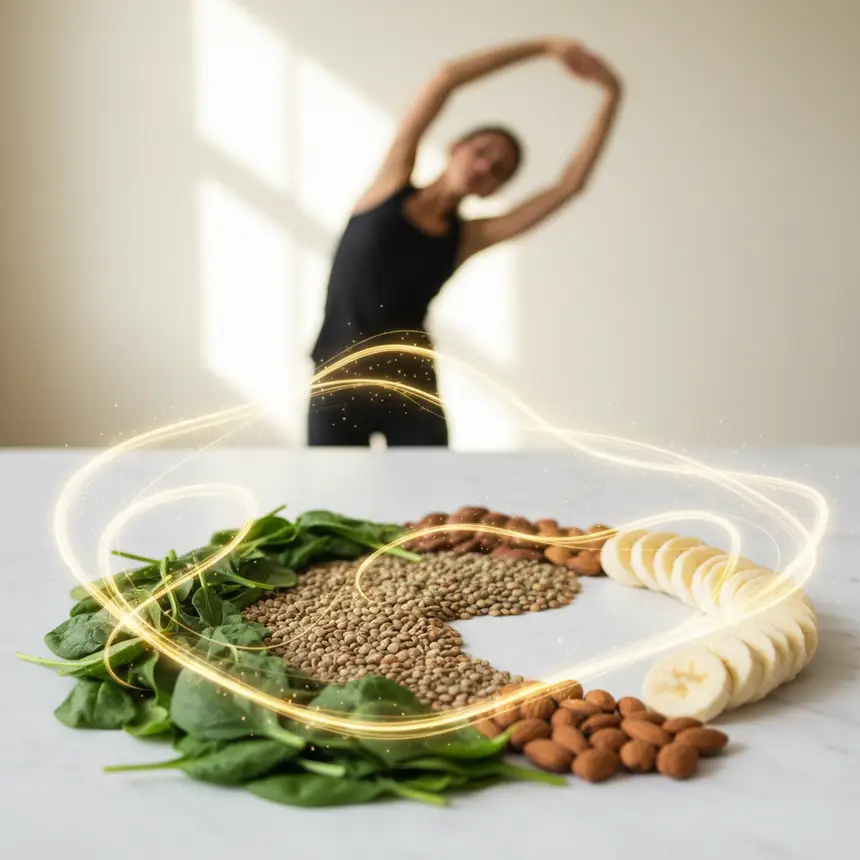
- Nourish Your Body Wisely: Focus on foods rich in magnesium (leafy greens, nuts, seeds, bananas, dark chocolate) to help relax muscles, and iron (lean meats, lentils, spinach) to combat fatigue from blood loss. Limit processed foods, excessive caffeine, and high-sugar items, which can worsen inflammation and discomfort.
- Prioritize Quality Sleep: Establish a consistent sleep schedule and create a relaxing bedtime routine. Winding down with a warm bath, herbal tea, or gentle meditation can prepare your body for restorative sleep, crucial for hormonal balance and pain management.
- Move Your Body Gently: Engaging in light to moderate exercise, such as walking, swimming, or yoga, can boost circulation and release endorphins—your body’s natural painkillers. Gentle stretching can also alleviate muscle tension in the pelvic area.
- Master Stress Management: Chronic stress can exacerbate hormonal imbalances and increase pain perception. Incorporate stress-reducing activities like deep breathing exercises, mindfulness, spending time in nature, or pursuing hobbies you enjoy.
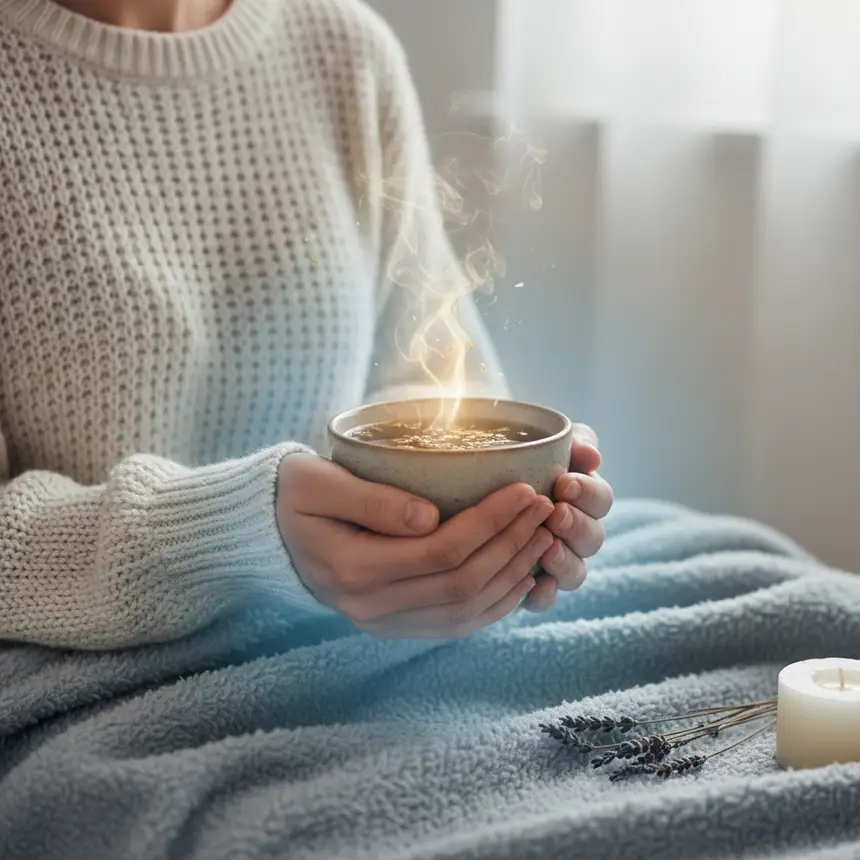
- Consider Warmth and Posture: Apply a heating pad or take a warm bath to help relax uterine muscles and improve blood flow. Also, be mindful of your posture; prolonged sitting can contribute to pelvic tension, so remember to take regular stretch breaks.
Empowering Your Journey to a More Comfortable You
While menstrual cramps can feel like an inevitable burden each month, they don't have to dictate your life. By adopting these practical lifestyle adjustments, you can significantly reduce discomfort and improve your quality of life. Moving beyond simply enduring the pain to actively understanding and responding to your body's needs is a powerful act of self-care. Each small change you implement is a step towards a more comfortable and manageable menstrual cycle. Embrace this journey of self-awareness and proactive health, and you’ll find yourself with more energy and less pain, allowing you to shine brightly every day of the month.
Frequently Asked Questions
Q. What can I do for immediate relief when my menstrual cramps are severe?
A. Applying a heating pad to your lower abdomen or taking a warm bath can help relax muscles and improve blood flow. Resting in a comfortable position and practicing deep breathing can also reduce tension.
Q. Are there specific foods or nutrients that help ease menstrual cramps?
A. Magnesium-rich foods like nuts, seeds, and leafy greens can help with muscle relaxation. Iron is important to counter fatigue from blood loss (found in lean meats, spinach). Omega-3 fatty acids in fish may help reduce inflammation.
Q. How does exercise impact menstrual pain?
A. Regular light aerobic exercise (like walking or swimming) and stretching can improve circulation and release endorphins, which are natural pain relievers. Exercise also helps relax tense muscles, potentially reducing cramp intensity.
Q. I can't sleep because of my cramps. How can I improve my sleep during my period?
A. Maintain a consistent sleep schedule and avoid screens before bed to support melatonin production. Creating a calming bedtime routine, such as a warm shower or herbal tea, can also promote better sleep.
Q. When should I see a doctor for my menstrual cramps?
A. If your pain is not managed by typical self-care methods, becomes increasingly severe, or is accompanied by new or unusual symptoms, it's important to consult a healthcare professional for an accurate diagnosis and appropriate advice.