Discover the incredible impact of your living space on your health. Learn practical ways to foster physical and mental well-being by creating a nature-friendly home environment. Start your healthy life in a pleasant setting.

How Your Daily Environment Impacts Your Health: Signals from Your Living Space
When you wake up, what do the view outside your window and the air inside your home tell you about your day and your overall health? Research indicates that our immediate surroundings significantly influence our mood and vitality. Individuals living in dull, uninspiring spaces often report higher levels of fatigue and reduced motivation. For instance, prolonged exposure to interiors with poor natural light and inadequate ventilation can degrade sleep quality and increase feelings of anxiety. Conversely, those who live in bright spaces filled with sunlight, fresh circulating air, and lush greenery often experience more positive energy and better stress relief. Just as flowers flourish in a well-tended garden, we too thrive in healthy environments. A pleasant living environment offers more than just physical comfort; it forms the very foundation of our mental and physical well-being. It’s worth taking a moment to consider what signals your living space is sending about your health.

The Shadow of Modern Urban Environments on Health
The rapid growth of modern cities has brought convenience but has also exposed many to environments that compromise their health. Dense residential areas and a scarcity of green spaces directly impact our well-being. For example, some studies suggest that about 70% of urban residential units lack sufficient natural light, potentially linking to vitamin D deficiency and increased feelings of depression. Moreover, exposure to fine dust from vehicle exhaust and industrial activities can heighten the risk of respiratory and cardiovascular diseases. Congested urban settings often lead to noise pollution, inducing chronic stress and disrupting sleep. A lack of community spaces can reduce social interaction, leading to feelings of isolation that negatively affect mental health. Indoor environmental issues, such as cramped spaces, poor ventilation, and potential harmful substances from building materials, cannot be overlooked. These combined factors can subtly erode our health without us even realizing it.
※ This post contains affiliate links. I may earn a commission at no extra cost to you.

Transforming Your Living Space into a Place of Healing and Vitality
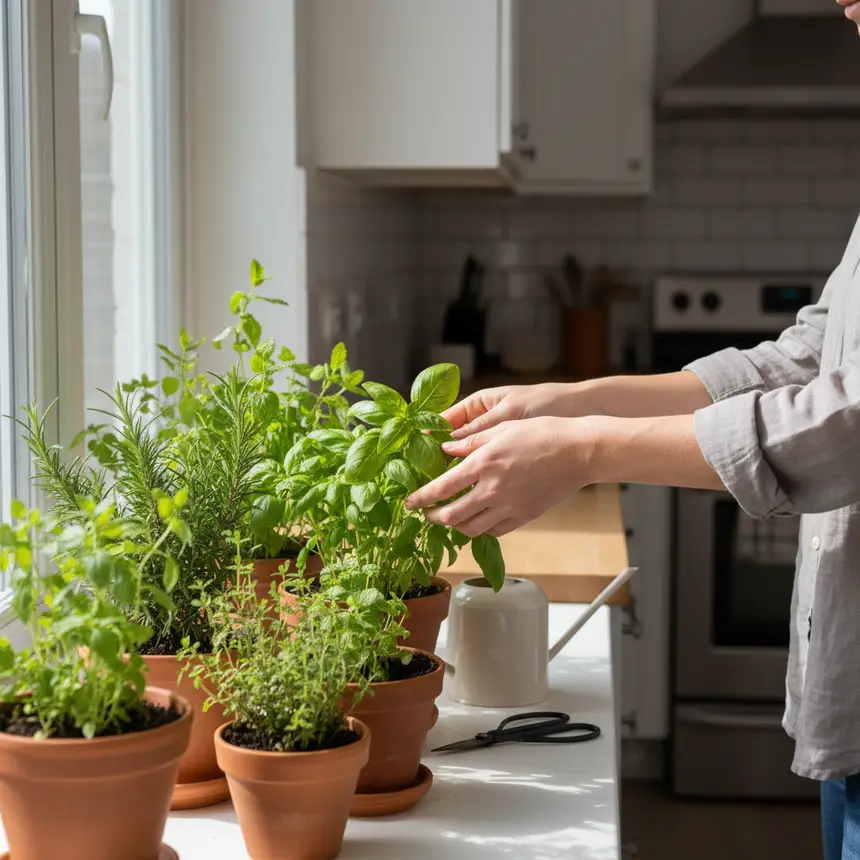
Your living space can be more than just a place to reside; it can be a sanctuary that promotes health and injects vitality into your life. First, increase your connection with nature. Placing plants on your balcony or windowsill, or cultivating indoor air-purifying plants, can significantly improve indoor air quality and foster a sense of psychological calm. It's like bringing a miniature forest into your home. Second, design your space to encourage an active lifestyle. Make the most of nearby parks and walking trails for regular physical activity. Utilizing simple exercise equipment found in local parks or enjoying light workouts in multi-purpose outdoor spaces like tennis or basketball courts are excellent options. Setting up a small home workout area or keeping a yoga mat readily accessible can also encourage more movement. Third, cultivate an environment that supports healthy eating habits. Growing a small herb garden on your windowsill or visiting local farmers' markets for fresh ingredients can be the starting point for a healthier diet. These collective efforts can transform your living space into a true partner in your journey toward a healthier life.
Elevating Your Quality of Life Through Small Daily Changes
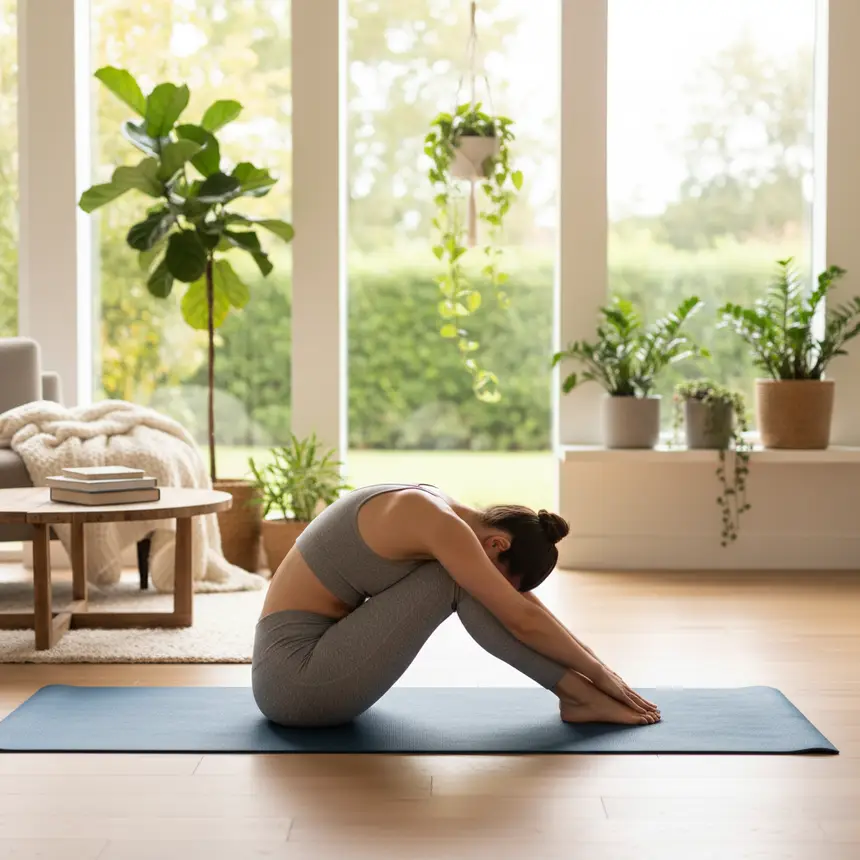
Creating a healthy living environment doesn't require grand gestures; it begins with small, consistent actions. First, maximize natural light. Pull back curtains to allow ample sunlight into your home, and keep windows clear of clutter to avoid obstructing light entry. Bright natural light boosts mood and plays a crucial role in regulating your circadian rhythm. Second, make regular ventilation a habit. Open windows at least 2-3 times a day for 10 minutes or more to ensure fresh air circulation. Always ventilate after cooking or cleaning to remove indoor pollutants. Third, incorporate natural elements by placing vertical gardens or air-purifying plants throughout your home. Even a single small potted plant can transform the ambiance and offer air-purifying benefits. Fourth, actively explore and utilize nearby green spaces for physical activity. A simple stroll through your apartment complex's landscaped areas or a nearby park, or even just sitting on a bench to enjoy nature, can provide sufficient rest and rejuvenation. Finally, engage in local community programs to build healthy social connections. Participating in yoga classes, book clubs, or local festivals can greatly help alleviate stress and boost mental well-being.
A Pleasant Environment: The Starting Point for a Healthy Life
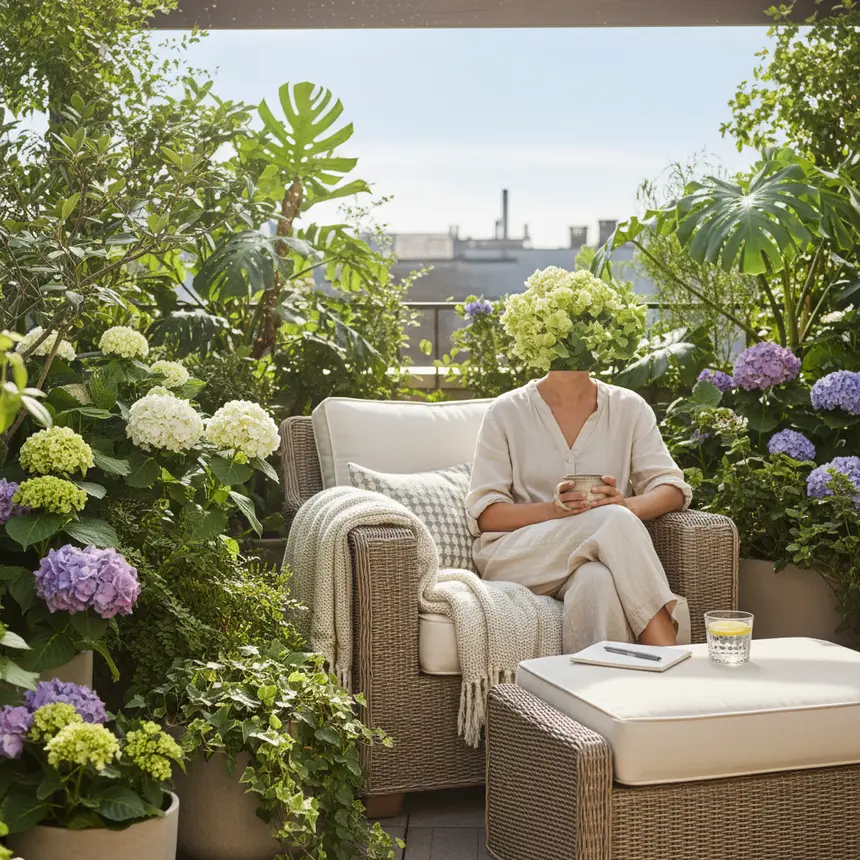
The spaces we inhabit are not just backgrounds; they are crucial factors that determine our quality of life and health. It's time to view our homes not merely as places to sleep, but as sanctuaries for recharging, finding peace of mind, and fostering well-being. A space bathed in sunlight, filled with fresh air, and adorned with natural greenery can elevate our mood, reduce stress, and even positively impact our immune system. By starting with small changes and gradually improving your living environment, you will undoubtedly experience a remarkable enhancement in your health and overall quality of life. Take a moment today to assess your space and consider how you can make it healthier and happier. Your small efforts will be the most certain investment in a healthy future. May you begin your healthiest and happiest life in a pleasant environment.
Frequently Asked Questions
Q. What's the first step to improving indoor air quality?
A. The most fundamental step is regular ventilation. It's crucial to open windows wide 2-3 times a day for at least 10 minutes to exchange indoor air with fresh outdoor air. Additionally, growing air-purifying plants and reducing sources of indoor particulate matter can help.
Q. If green spaces are scarce near my home, what activities can I do for my health?
A. Even without abundant green spaces, you can bring nature indoors by getting houseplants or cultivating a small garden on your balcony. Also, making time to visit parks or forests outside the city on weekends or using public transport to reach them can help you connect with nature.
Q. How does improving my living environment affect my mental health?
A. A pleasant and organized environment reduces stress and enhances psychological stability. Adequate exposure to natural light, breathing fresh air, and viewing green plants can alleviate feelings of depression and anxiety, contributing to a more positive mood.
Q. Which elements of a residential environment can influence increased physical activity?
A. Well-maintained walking trails or bike paths nearby, or fitness facilities and multi-purpose courts within a residential complex, positively influence physical activity levels. Making a habit of using stairs instead of elevators is also beneficial.
Q. If I have a limited budget for creating a pleasant living environment, where should I start?
A. If your budget is limited, start with small, low-cost changes. For instance, simply decluttering and organizing your home can make the space feel larger and more pleasant. Additionally, regular ventilation and maximizing natural light are effective ways to improve your indoor environment without spending money.