Struggling with unpleasant musty smells and excess humidity in your home? Discover effective moisture control tips using reusable dehumidifiers to create a fresh indoor environment.

The Silent Invader: Understanding Excess Humidity and Musty Odors at Home
Ever notice that heavy, sticky feeling in your home on a rainy or humid day? Certain areas, like bathrooms or poorly ventilated spaces, tend to suffer the most. You might even find that freshly laundered towels develop a subtle, unpleasant musty smell just days after being hung up. This common issue arises from excessive indoor humidity, leading to more than just discomfort. It can cause mildew smells in your favorite clothes, damage to shoes stored in closets, and generally degrade your indoor air quality. If your home often feels damp or smells a bit off, it’s a clear sign that moisture levels are too high. Just like a sponge can only hold so much water, our living spaces can become saturated with humidity, creating an environment ripe for these problems. It's time to assess if your home is holding onto too much unwanted moisture.
The Science and Practicality of Reusable Moisture Absorbers
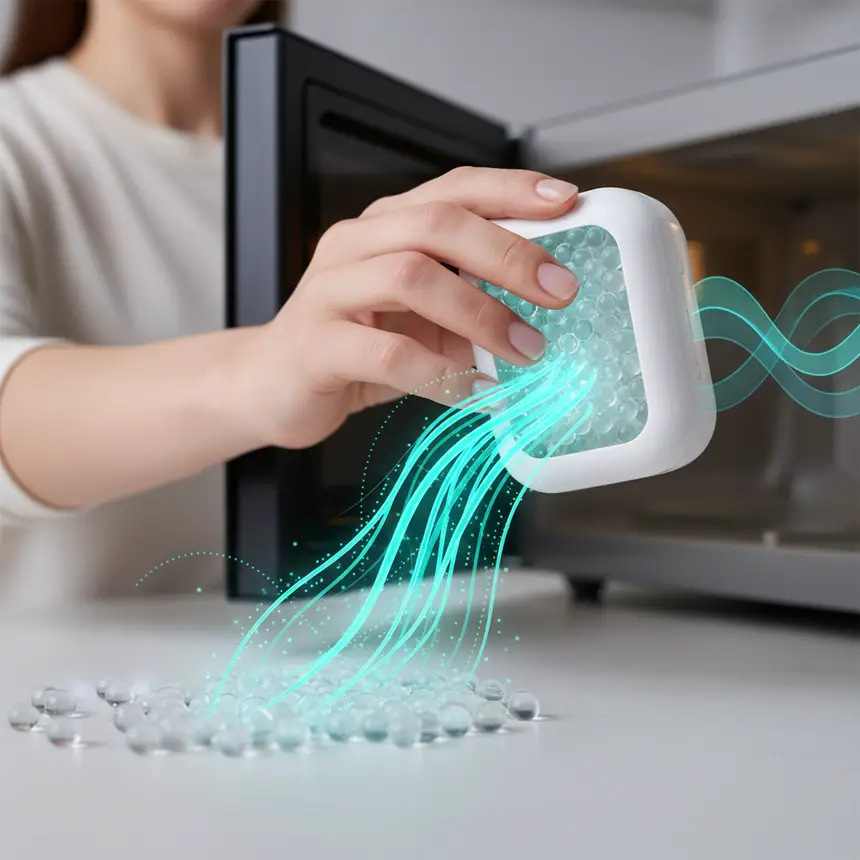
An effective way to combat humidity is by using moisture absorbers. Recently, there's been a growing interest in reusable dehumidifying solutions, which offer a significant upgrade from their single-use counterparts. These products typically utilize highly absorbent materials like silica gel. Silica gel works by trapping water molecules from the air within its microscopic porous structure. Unlike disposable dehumidifiers that collect water and must be thrown away, reusable options can be reactivated once their absorbing capacity is reduced. This means you can simply dry them out – either by exposing them to sunlight or heating them in a microwave – to restore their original effectiveness. For instance, larger units often require about 6 minutes in a microwave, while smaller ones might need around 3 minutes. With proper care, these units can be reactivated approximately 40 times. This easy maintenance not only offers long-term cost savings but also contributes to a more sustainable lifestyle by reducing waste.
※ This post contains affiliate links. I may earn a commission at no extra cost to you.

Practical Tips: Using Reusable Dehumidifiers for a Fresher Home
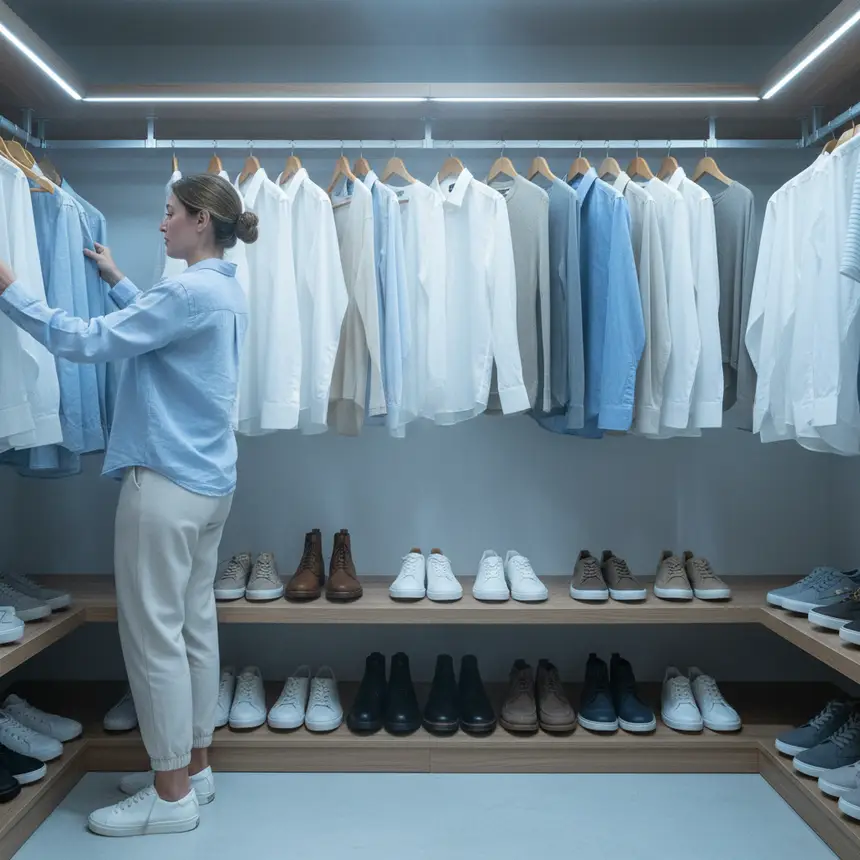
The true value of reusable dehumidifiers lies in their versatility and broad application throughout your home. Beyond just the bathroom, strategically placing these absorbers in moisture-prone areas can maximize their benefits. A prime spot is, of course, the bathroom linen closet. Even dry towels can quickly become damp and develop odors in a humid environment. Placing a dehumidifier there helps keep towels fresh and hygienic. Next, don't overlook your shoe closet. Moisture trapped in shoes, especially after a rainy day, is a leading cause of unpleasant smells. These absorbers help wick away moisture, keeping shoes fresh and potentially extending the life of leather goods and sneakers. Furthermore, placing them in wardrobes, drawers, or storage bins for seasonal clothing can prevent musty smells and protect fabrics from damage, proving especially useful for delicate knits and wool coats. Since these reusable options don't leak or spill like liquid-based products, they are safe and convenient for use in tight storage spaces. With minimal effort, you can significantly improve your home's air quality and preserve your valuable belongings, allowing these silent guardians to maintain freshness throughout your living space.
Frequently Asked Questions
Q. How often should I reactivate my reusable dehumidifier?
A. The frequency depends on the humidity level in your environment and the size of the dehumidifier. Generally, it's a good idea to check its absorption status every two weeks to a month. Many products have indicator beads that change color when they've absorbed their maximum capacity, signaling it's time for reactivation.
Q. What precautions should I take when microwaving them?
A. It's crucial to follow the manufacturer's recommended heating times to avoid damage to the product or potential fire hazards. Overheating can be dangerous. Also, ensure the unit has completely cooled down before placing it back into use.
Q. What are the most effective places to use reusable dehumidifiers?
A. They are particularly effective in enclosed or poorly ventilated areas where moisture tends to accumulate. Recommended spots include bathroom linen closets, shoe cabinets, wardrobes, drawers, bookshelves, and storage containers for seasonal items.
Q. Are these safe to use in homes with children or pets?
A. Silica gel is generally considered non-toxic, but it's always best to keep these products out of reach of young children and pets to prevent accidental ingestion. Ensure the product housing is intact to prevent any internal contents from being exposed.