Are restless nights keeping you up? Insomnia is more than just fatigue; it can jeopardize your overall health. Discover practical strategies to enhance your sleep quality and reclaim your vibrant daily life.

When the Night Clock Ticks Loudest: The Struggle for Sleep
Have you ever found yourself staring at the ceiling, wishing for sleep as the quiet ticking of a clock echoes through the night? Waking up exhausted and groggy, only to face another demanding day, is a common struggle for many. These sleepless nights don't just leave you tired; they drain your energy, impair your focus, and negatively impact your overall quality of life. While many consider insomnia a temporary annoyance, if it persists, it can lead to serious physical and mental health issues, necessitating proactive management.

Unmasking Insomnia: More Than Just a Bad Night's Rest
Insomnia is defined by persistent difficulty falling asleep, staying asleep, or waking too early and being unable to return to sleep, resulting in daytime fatigue or functional impairment. It typically manifests in three main forms. First, sleep onset insomnia refers to struggling to fall asleep for 30 minutes or more after getting into bed, often triggered by anxiety or stress. Second, sleep maintenance insomnia involves waking up multiple times during the night and having trouble getting back to sleep, with causes ranging from hormonal shifts and caffeine intake to underlying breathing issues during sleep. Third, early morning awakening means waking up two or more hours before your desired time and being unable to fall back asleep, significantly reducing your sleep quality. Chronic sleep deprivation from these issues can elevate the risk of chronic diseases like hypertension and diabetes, contribute to memory and cognitive decline, and increase feelings of depression, underscoring the importance of addressing it promptly.
※ This post contains affiliate links. I may earn a commission at no extra cost to you.

Practical Strategies for Achieving Deep, Restorative Sleep
Escaping the torment of sleepless nights requires a systematic approach and consistent effort. Here are some practical methods to help you achieve restorative sleep:
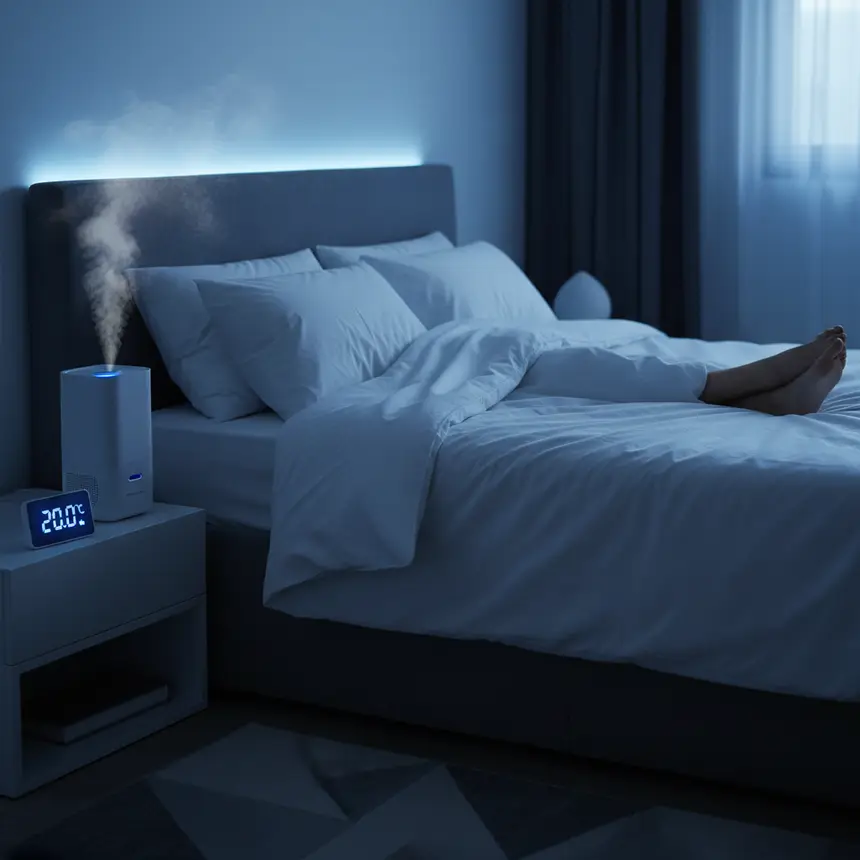
- Optimize Your Sleep Sanctuary: Your bedroom must be dark, quiet, and cool. Aim for a room temperature between 65-72°F (18-22°C) and humidity between 40-60%. Use blackout curtains or an eye mask to eliminate light completely.
- Establish a Consistent Sleep Schedule: Go to bed and wake up at the same time every day, including weekends. Maintaining this routine helps stabilize your body's natural circadian rhythm.
- Apply Cognitive Behavioral Therapy for Insomnia (CBT-I) Principles: This non-pharmacological approach helps correct negative thoughts and inefficient behaviors related to sleep. For instance, use your bed only for sleep. If you can't sleep after about 20 minutes, get out of bed and do a quiet activity like reading in another room until you feel sleepy again, then return to bed.
- Pre-Sleep Routine Considerations: Avoid caffeine and alcohol several hours before bedtime. Limit heavy meals and screen time (smartphones, computers) before sleep. Taking a warm bath or practicing meditation can help relax your body and mind.
- Seek Professional Guidance: If, despite these efforts, your sleep problems persist, it's crucial to understand your sleep patterns accurately through a sleep study (like polysomnography) and seek personalized advice from a healthcare professional.

Embrace the Dawn: Your Journey Towards a Well-Rested Life
Insomnia is not a burden you have to carry alone. With consistent effort, the right information, and professional help when needed, it is entirely possible to overcome. Start today by establishing regular daily habits and consistently applying sleep improvement strategies that work for you. Quality sleep is more than just recovering from fatigue; it's a fundamental element that adds vitality and happiness to our lives. Say goodbye to restless nights and embrace a healthy routine where you wake up refreshed and energized every morning.
Frequently Asked Questions
Q. What are the potential consequences of prolonged sleep difficulties?
A. Chronic sleep deprivation can lead to more than just daytime fatigue. It can impair concentration, affect mood, weaken the immune system, and increase the long-term risk for serious health issues like cardiovascular disease and metabolic disorders.
Q. How can I optimize my bedroom environment for better sleep?
A. Your bedroom should be a cool, dark, and quiet sanctuary. Aim for a temperature between 65-72°F (18-22°C) and a humidity level of 40-60%. Using blackout curtains can effectively block out light, which is crucial for melatonin production.
Q. Is it helpful to stay in bed if I can't fall asleep?
A. If you find yourself tossing and turning for more than 20 minutes without falling asleep, it's often better to get out of bed. Engage in a quiet activity like reading or meditation in another room until you feel sleepy, then return to bed. This helps your brain associate your bed with sleep, not wakefulness.
Q. What non-pharmacological approaches can help improve insomnia?
A. Cognitive Behavioral Therapy for Insomnia (CBT-I) is a highly effective non-drug treatment. It focuses on identifying and changing negative thoughts and behaviors related to sleep, alongside improving sleep hygiene. Regular physical activity and stress management techniques also play a significant role.