A guide to DHEA supplements for those concerned about ovarian function. Learn about checking androgen levels, proper timing, dosage, and precautions to make informed choices that are right for you.

Navigating Supplements for Ovarian Wellness: The DHEA Dilemma
As we strive for overall well-being, many individuals explore various supplements to support specific bodily functions. For women, concerns about declining ovarian function, often influenced by age and other factors, naturally lead to an interest in relevant nutrients. Among the myriad of available information, DHEA (Dehydroepiandrosterone) frequently emerges as a supplement believed to support ovarian health. But does DHEA offer universal benefits for everyone? Rather than simply acting on anecdotal evidence, a clear understanding of whether this compound is truly necessary for your body and what criteria to consider before starting is crucial. Today, we'll delve into DHEA's connection to ovarian function and explore practical guidelines for making informed decisions.
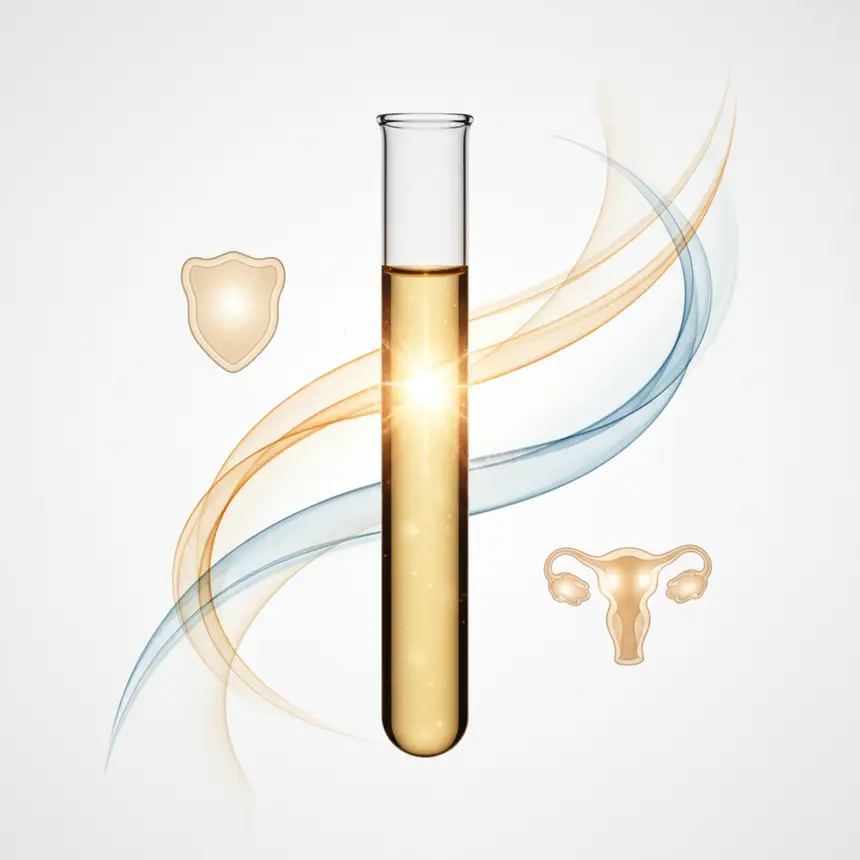
DHEA and Hormonal Balance: Decoding Your Body's Signals
DHEA is a steroid hormone precursor naturally produced in the adrenal glands. It serves as a raw material that can be converted into various other hormones, and research suggests it may play a role in ovarian function through its conversion into female hormones. However, the direct impact of DHEA on egg production is still an area of ongoing in-depth study. A key factor in determining if DHEA supplementation might be beneficial for ovarian health is assessing your 'androgen' levels. Androgens are typically categorized as male hormones but play vital roles in the female body too. As DHEA is a significant precursor to androgens, supplementing with DHEA could be beneficial if your androgen levels are low. Conversely, if your androgen levels are already normal or high, DHEA supplementation might disrupt your hormonal balance. It's particularly important to check 'total testosterone' levels through a blood test, as this is considered the most reliable indicator for understanding your current hormonal status, showing relatively stable levels compared to other indicators that can fluctuate throughout the day. Therefore, if you're considering DHEA, verifying your total testosterone levels to confirm any deficiency is a critical first step.
※ This post contains affiliate links. I may earn a commission at no extra cost to you.


Practical Guidelines for DHEA Supplementation: Timing, Dosage, and Monitoring
Once you decide to incorporate DHEA, following specific guidelines is essential to optimize its effects and minimize potential side effects. DHEA is not a quick-fix solution; it requires a commitment to consistent use over a sufficient period. For instance, if you're planning a specific procedure or program to improve ovarian function, it's generally recommended to start DHEA at least 2 to 3 months beforehand, allowing your body time to adapt and respond to the changes.
Regular monitoring of your 'androgen levels' during supplementation is crucial. This helps prevent excessive intake and allows you to observe your body's response. Typically, if after about 4 months of DHEA use, blood androgen levels improve but there's no significant change in actual ovarian response, it might indicate that DHEA isn't the right fit for you, and discontinuing it should be considered. Conversely, if androgen levels rise excessively, immediate dosage adjustment is necessary. For example, reducing the dosage to around 25mg or even stopping the supplement altogether can be a wise approach. If oral DHEA doesn't sufficiently raise androgen levels, discussing alternative approaches, such as direct testosterone supplementation, with a healthcare professional may be an option. Remember, all supplement intake should be carefully tailored to your individual health status and goals.
Regular monitoring of your 'androgen levels' during supplementation is crucial. This helps prevent excessive intake and allows you to observe your body's response. Typically, if after about 4 months of DHEA use, blood androgen levels improve but there's no significant change in actual ovarian response, it might indicate that DHEA isn't the right fit for you, and discontinuing it should be considered. Conversely, if androgen levels rise excessively, immediate dosage adjustment is necessary. For example, reducing the dosage to around 25mg or even stopping the supplement altogether can be a wise approach. If oral DHEA doesn't sufficiently raise androgen levels, discussing alternative approaches, such as direct testosterone supplementation, with a healthcare professional may be an option. Remember, all supplement intake should be carefully tailored to your individual health status and goals.
The Power of Personalized Ovarian Health Management
Ovarian health significantly impacts a woman's overall quality of life. It's perfectly natural for many to explore various information and supplements in pursuit of better ovarian function. However, specific supplements like DHEA are not 'one-size-fits-all' miracle solutions. Their effectiveness and necessity can vary greatly depending on an individual's unique hormonal profile and health objectives. Instead of indiscriminate use, it's paramount to accurately assess your androgen levels, consult with a healthcare professional to determine the appropriate timing and dosage, and diligently monitor your body's response through regular check-ups. This systematic approach can help you avoid wasting time and effort, leading you toward truly effective and intelligent pathways for ovarian health. Understanding your body and making informed decisions is the first step towards a healthier future.
Frequently Asked Questions
Q. Does DHEA supplementation always help improve ovarian function?
A. DHEA is a hormone precursor linked to ovarian function, but it doesn't have the same effect on everyone. It may be more beneficial for those with low androgen levels. Given that its effects depend on your current hormonal status, it's best to consult a professional before deciding.
Q. What tests should I consider before taking DHEA?
A. Before taking DHEA, it's crucial to understand your current hormonal state. Checking your 'total testosterone' levels through a blood test is a primary criterion for determining if an androgen deficiency exists.
Q. How long does it take for DHEA to show effects, and how long should I take it?
A. DHEA doesn't produce immediate effects, so consistent use for at least 2-3 months is generally recommended. If, after about 4 months of use, only blood levels improve without a significant change in ovarian response, you might consider discontinuing it. Regular monitoring of hormone levels is essential to adjust dosage and duration.
Q. What potential side effects or changes should I be aware of while taking DHEA?
A. If androgen levels become excessively high during DHEA supplementation, you might experience unwanted changes such as skin breakouts or increased body hair. If you notice these changes or if regular tests show high levels, you should immediately reduce your dosage or stop taking the supplement and consult a professional.
Q. Are there other lifestyle habits that can support ovarian health besides DHEA?
A. Absolutely. Adopting healthy lifestyle habits such as regular exercise, a balanced diet (rich in antioxidants, Vitamin D, and Omega-3), adequate sleep, and effective stress management are all crucial for supporting overall bodily functions, including ovarian health.