Struggling to manage your blood pressure amidst a busy lifestyle? Discover smart strategies that simultaneously address blood circulation, cholesterol levels, and vascular health. Learn how to reclaim your vitality through lifestyle adjustments and essential nutrient intake.

The Silent Threat of Modern Life: Blood Pressure Imbalance
In today's fast-paced world, it's easy to overlook the subtle signals our bodies send. Persistent fatigue, occasional dizziness, or a nagging headache might be dismissed as just part of a busy schedule. However, it's crucial not to disregard these symptoms, as they could be vital warnings from your body, particularly indicating an imbalance in blood pressure. While our bodies might have bounced back easily from strenuous routines in youth, with time, physical changes occur, and accumulated stress can manifest in unexpected ways. Recognizing that these aren't just signs of tiredness but potentially serious blood pressure-related messages is key. Developing a habit of paying closer attention to your body's cues is essential. True health is a precious asset that we can only safeguard through consistent self-care and effort.
The Pillars of Vascular Wellness: Managing Three Key Factors Simultaneously
Why a Comprehensive Approach is Essential
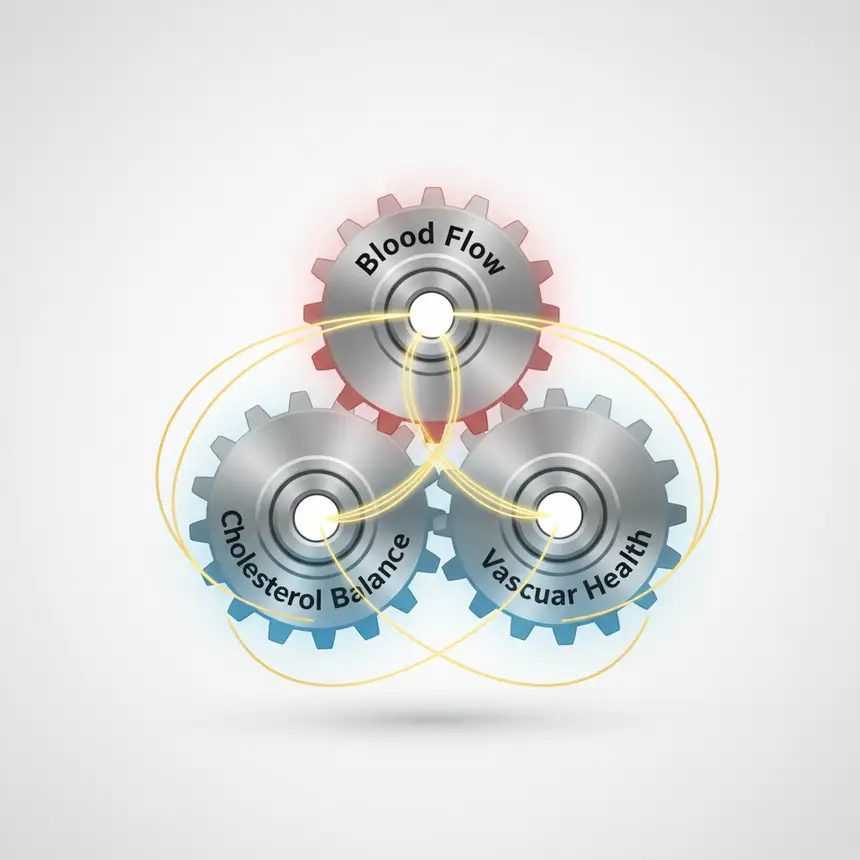
Many individuals begin managing their blood pressure by focusing on a single food or method, but vascular health is far from a simple issue. Our circulatory system relies on a delicate balance of three core elements: smooth blood flow, healthy cholesterol levels, and robust, flexible blood vessel walls. If even one of these components falters, the entire system can be disrupted, leading to difficulties in maintaining optimal blood pressure. These three factors work together like interlocking gears; a problem in one area can cascade, affecting the others. Therefore, a truly effective approach to blood pressure management requires simultaneously addressing all three elements, supported by a scientific understanding of their interconnectedness.
Key Nutrients Supporting Healthy Blood Pressure
- 1. Coenzyme Q10 (CoQ10): The heart is a tireless pump, constantly working to circulate blood throughout the body. This vigorous activity demands a tremendous amount of energy, and CoQ10 plays a critical role in helping the heart efficiently generate and utilize that energy. Unfortunately, the body's natural production of CoQ10 declines with age, potentially dropping to less than half of youthful levels after age 40. For this reason, supplementation is often considered to support cardiac vitality.
- 2. Red Yeast Rice Extract: Derived from fermented red rice, red yeast rice contains a beneficial compound called Monacolin K. This substance has been shown to help regulate specific pathways of cholesterol synthesis in the liver, thereby contributing to the maintenance of healthy blood cholesterol levels.
- 3. Omega-3 Fatty Acids (n-3 PUFAs): Often referred to as essential fatty acids, Omega-3s are vital nutrients that contribute to smooth blood flow and overall vascular health. They are particularly beneficial in modulating triglyceride levels, promoting cleaner and more fluid blood circulation. When selecting an Omega-3 supplement, it's important to consider its molecular structure (e.g., rTG form) as this can significantly impact its absorption and effectiveness in the body.
※ This post contains affiliate links. I may earn a commission at no extra cost to you.


Daily Practices for Sustained Blood Pressure Health
Managing your blood pressure doesn't have to be overly complicated. If it's challenging to obtain sufficient amounts of key nutrients like CoQ10, red yeast rice extract, and Omega-3 fatty acids solely through diet, or if taking multiple supplements feels cumbersome, consider a balanced combination of these nutrients. However, nutrient intake is only one piece of the puzzle. For vibrant blood pressure health, adopting healthy lifestyle habits is equally crucial. Regular aerobic exercise, such as daily brisk walking, enhances blood circulation and supports heart function. Stress, too, can negatively impact blood pressure, so effective stress management techniques like mindfulness or engaging in hobbies are vital. Adequate sleep and a balanced diet form the foundational pillars of this approach.
Think of your health as a garden that requires consistent care. By heeding the small signals your body sends, seeking out reliable information instead of being swayed by fleeting trends, and consistently putting in effort, you can cultivate healthy blood pressure and a more vibrant life. Begin your informed journey towards better blood pressure health today.
Think of your health as a garden that requires consistent care. By heeding the small signals your body sends, seeking out reliable information instead of being swayed by fleeting trends, and consistently putting in effort, you can cultivate healthy blood pressure and a more vibrant life. Begin your informed journey towards better blood pressure health today.
Frequently Asked Questions
Q. Why is a multi-faceted approach necessary for blood pressure management?
A. Blood circulation is a complex system involving multiple interacting factors like blood flow, cholesterol levels, and vascular flexibility. When one factor is out of balance, it can strain the entire system, making blood pressure management difficult. A comprehensive, integrated approach addressing each element simultaneously is therefore more effective.
Q. How does CoQ10 contribute to maintaining healthy blood pressure?
A. Coenzyme Q10 plays a vital role in enabling the heart to efficiently produce energy for pumping blood. Since the body's natural production of CoQ10 decreases with age, it's considered an important nutrient for sustaining heart function and overall vitality.
Q. What should I look for when choosing an Omega-3 supplement for absorption?
A. Omega-3s are crucial for healthy blood flow. However, not all supplements offer the same absorption rates. To maximize their benefits, it's advisable to select products with enhanced molecular structures, such as the rTG (re-esterified triglyceride) form, which is known for better bioavailability.
Q. Besides diet and supplements, what lifestyle changes can support healthy blood pressure?
A. Beyond diet, incorporating regular aerobic exercise (e.g., 30 minutes of brisk walking daily), ensuring adequate sleep (7-9 hours), managing stress effectively (through meditation or hobbies), and maintaining a healthy weight are all crucial for supporting healthy blood pressure levels.
Q. Why does blood pressure management become more crucial as we age?
A. As we age, blood vessels can lose elasticity, and various bodily functions change, making blood pressure more prone to increasing. Elevated blood pressure can be linked to several health issues, making consistent and proactive blood pressure management increasingly important later in life.