Prostate cancer is a leading concern for men. Discover common symptoms, risk factors, and practical steps you can take through diet and lifestyle to support prostate health and well-being.
Learn how to make informed choices for a healthier future.

Unseen Changes: Listening to Your Body's Subtle Whispers
John, a man in his late 50s, has recently noticed he’s making more trips to the bathroom, especially at night. This frequent need to urinate disrupts his sleep, leaving him feeling tired and sluggish throughout the day. At first, he brushed it off as a normal sign of aging, but a growing concern emerged as his urine stream became weaker and less satisfying. Could these subtle shifts just be part of getting older, or are they vital messages from his body asking for attention? For many men, the journey into understanding prostate health often begins with these small, often overlooked, discomforts.
The Silent Threat: What You Need to Know About Prostate Health
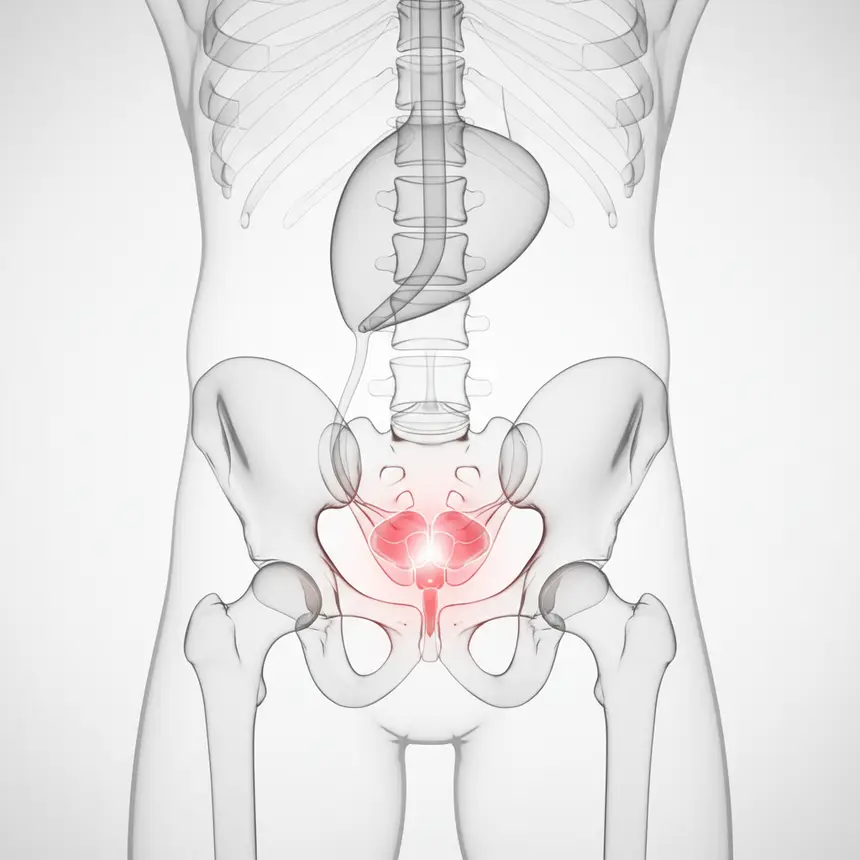
The prostate gland, an essential organ exclusive to men, sits just below the bladder and encircles the urethra. In recent years, prostate-related health issues have become a significant concern globally, with prostate cancer emerging as a leading cancer diagnosis among men in many regions. This rise is often linked to an aging population, the adoption of Westernized diets, and increasing rates of obesity.
One of the tricky aspects of prostate issues, particularly cancer, is their often silent onset. In its early stages, prostate cancer typically presents no noticeable symptoms. Discomfort related to urination usually doesn't appear until the growth is large enough to press against the urethra. However, as the condition progresses, men might start to experience a range of symptoms, including:
If the condition advances locally or spreads to nearby organs or bones, the consequences can be much more severe. Blood may appear in urine or semen, and bone metastasis is common, leading to significant pain in the lower back or hips. In rare cases, spinal cord compression from metastasis can result in lower body weakness, numbness, or even paralysis. Early recognition of these potential changes is therefore incredibly important.
One of the tricky aspects of prostate issues, particularly cancer, is their often silent onset. In its early stages, prostate cancer typically presents no noticeable symptoms. Discomfort related to urination usually doesn't appear until the growth is large enough to press against the urethra. However, as the condition progresses, men might start to experience a range of symptoms, including:
- An increased frequency of urination, especially waking up multiple times during the night.
- A weaker or slower urine stream, requiring straining to pass urine.
- A feeling of incomplete bladder emptying or persistent dribbling after urination.
- A sudden, urgent need to urinate that is difficult to control.
If the condition advances locally or spreads to nearby organs or bones, the consequences can be much more severe. Blood may appear in urine or semen, and bone metastasis is common, leading to significant pain in the lower back or hips. In rare cases, spinal cord compression from metastasis can result in lower body weakness, numbness, or even paralysis. Early recognition of these potential changes is therefore incredibly important.
※ This post contains affiliate links. I may earn a commission at no extra cost to you.


Smart Choices for a Healthy Prostate: Diet and Lifestyle Foundations
The cornerstone of maintaining prostate health lies in adopting sustainable lifestyle changes. Diet, in particular, plays a profound role, making it crucial to understand which foods to prioritize and which to moderate.
- Power of Red Produce: Red-colored fruits and vegetables like tomatoes, watermelon, and grapefruit are rich in lycopene, a potent antioxidant. Cooking tomatoes, for instance, significantly enhances the bioavailability of lycopene, so enjoy them in sauces or cooked dishes.
- Cruciferous Vegetables: Broccoli, cabbage, and cauliflower are packed with beneficial compounds. Aim to incorporate several servings of these cruciferous vegetables into your diet each week.
- Omega-3 Fatty Acids: Fatty fish such as salmon, mackerel, and sardines are excellent sources of omega-3 fatty acids, which support various bodily functions. Consuming these fish 3-4 times a week is a good target.
- Mindful Meat and Dairy Intake: Excessive consumption of red and processed meats has been linked to potential adverse effects, making moderation a wise approach. While dairy products are a valuable source of calcium, limiting intake to about 1-2 servings per day is often recommended.
- Active Living: Regular physical activity is essential for maintaining a healthy weight and boosting overall wellness. Engage in moderate-intensity exercises like brisk walking, swimming, or cycling for at least 30 minutes, several times a week, enough to break a sweat.
- Quit Smoking and Moderate Alcohol: Smoking is known to exacerbate many health problems, and excessive alcohol consumption puts a strain on the body. Quitting smoking and practicing moderation with alcohol are fundamental steps not just for prostate health, but for your entire well-being.

Implementing Change: Your Practical Guide to Prostate Wellness
Transforming your prostate health doesn't require drastic overhauls. Start with small, manageable habits you can integrate into your daily life today.
1. Revamp Your Plate: Ensure your daily meals include at least one serving of red vegetables (like cooked tomatoes) and cruciferous vegetables. Plan to swap red meat for fish or legumes 2-3 times a week, and adopt the habit of consuming dairy in moderate amounts.
2. Establish an Exercise Routine: Aim for at least 30 minutes of moderate-intensity cardio, such as brisk walking or cycling, 3-5 times a week. Increase your daily activity by taking the stairs instead of elevators or walking short distances.
3. Prioritize Weight Management: Abdominal obesity is linked to hormonal imbalances. Maintain a healthy weight through a balanced diet and regular exercise. Track your progress and set realistic weight goals.
4. Commit to No Smoking and Moderate Drinking: These are fundamental commitments for your health. Smoking has detrimental effects, so quitting is essential. If you drink alcohol, do so in moderation.
5. Regular Health Screenings: For men over 50, routine check-ups are crucial to monitor prostate-related markers. If you notice any suspicious symptoms, do not hesitate to consult with a healthcare professional.
1. Revamp Your Plate: Ensure your daily meals include at least one serving of red vegetables (like cooked tomatoes) and cruciferous vegetables. Plan to swap red meat for fish or legumes 2-3 times a week, and adopt the habit of consuming dairy in moderate amounts.
2. Establish an Exercise Routine: Aim for at least 30 minutes of moderate-intensity cardio, such as brisk walking or cycling, 3-5 times a week. Increase your daily activity by taking the stairs instead of elevators or walking short distances.
3. Prioritize Weight Management: Abdominal obesity is linked to hormonal imbalances. Maintain a healthy weight through a balanced diet and regular exercise. Track your progress and set realistic weight goals.
4. Commit to No Smoking and Moderate Drinking: These are fundamental commitments for your health. Smoking has detrimental effects, so quitting is essential. If you drink alcohol, do so in moderation.
5. Regular Health Screenings: For men over 50, routine check-ups are crucial to monitor prostate-related markers. If you notice any suspicious symptoms, do not hesitate to consult with a healthcare professional.

Take Action Now: Invest in Your Prostate Health Today!
Our bodies are intricate and delicate systems, and the prostate plays a vital role in men's overall health. In our busy lives, it's easy to overlook our physical well-being. However, paying attention to minor changes and proactively managing your health is paramount. The information and practical steps we've discussed for prostate health can serve as the initial leap towards preventing larger health issues down the road. Your health truly reflects the attention you dedicate to it. Begin implementing these healthy lifestyle habits today to cultivate a vibrant and fulfilling life. We wish you a healthy and energetic tomorrow!
Frequently Asked Questions
Q. Are there any early signs of prostate cancer I should look out for?
A. Prostate cancer typically progresses slowly and often has no noticeable symptoms in its early stages. Urinary symptoms usually only appear when the tumor is large enough to press on the urethra. It's often detected incidentally through PSA (Prostate-Specific Antigen) blood tests during routine check-ups.
Q. What foods are particularly beneficial for supporting prostate health?
A. Foods like cooked tomatoes (for enhanced lycopene absorption), cruciferous vegetables such as broccoli and cabbage, omega-3 rich fish like salmon and mackerel, and also green tea, legumes, garlic, and blueberries are often cited for their potential benefits in supporting prostate health.
Q. Does dairy consumption impact prostate health?
A. While calcium is an essential nutrient, some research suggests that excessive dairy intake might have a detrimental effect on prostate health. Therefore, it's often recommended to consume dairy products in moderation, typically around 1-2 servings per day.
Q. What lifestyle changes can help in maintaining prostate health?
A. Key lifestyle habits include adopting a balanced diet (rich in fruits and vegetables, limited red and processed meats), maintaining a healthy body weight, engaging in regular moderate-intensity exercise (at least 3 times a week, enough to break a sweat), quitting smoking, and moderating alcohol consumption. For men over 50, regular health screenings are also crucial to monitor prostate health.