Experiencing frequent nighttime urges? Your diet might be a factor. Discover essential dietary habits for prostate health and what foods to avoid for better urinary function.

Could Your Diet Be Behind Your Urinary Discomfort?
Waking up frequently at night for bathroom trips or experiencing a weaker urinary stream are common concerns for many men as they age. It's natural to seek quick solutions, perhaps an expensive supplement or a trending 'superfood' mentioned on TV. However, if we take an honest look at our daily eating habits, many of us might find a routine filled with spicy, salty meals, late-night snacks, and frequent alcoholic drinks. Can a couple of special food items truly reverse years of accumulating urinary discomfort as if by magic? In my experience, there's no single 'miracle food' that instantly resolves these symptoms. Yet, making small, consistent changes to your daily diet can profoundly support prostate health and help manage that heavy feeling in your lower abdomen and general urinary discomfort. Today, let's explore practical, evidence-based dietary strategies for prostate health, moving beyond exaggerated claims to what truly makes a difference in your everyday life.
Nourishing Your Prostate: What to Include and What to Reduce
Your prostate and bladder are surprisingly sensitive to what you consume daily. Diets high in irritating foods, excessive alcohol, and late-night eating can contribute to internal heat and inflammatory responses in the body. This continuous irritation can affect the urinary tract, leading to sensations like 'frequent urges to urinate' or 'incomplete bladder emptying.' Therefore, healthy eating habits form a crucial foundation for alleviating these symptoms and improving overall well-being. Consider gently shifting your regular diet—reducing fatty meats and increasing the presence of these key ingredients:
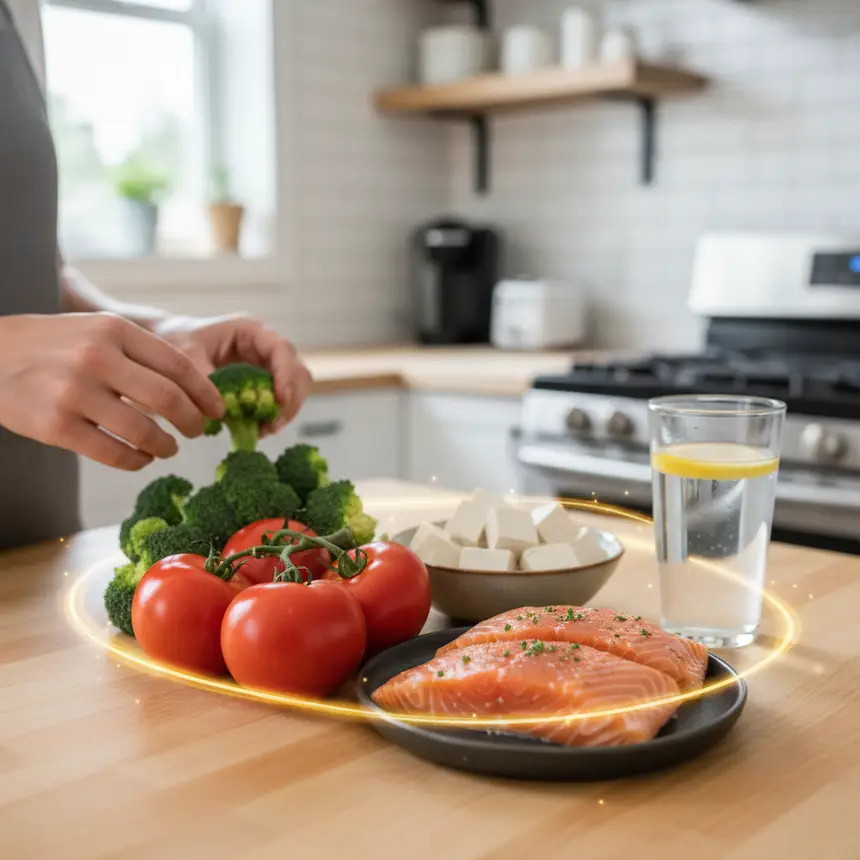
- Tomatoes: The vibrant red pigment, lycopene, helps combat harmful free radicals and moderates inflammatory responses in the body. Cooking tomatoes with a healthy fat like olive oil, as in sauces or stir-fries, significantly enhances lycopene absorption.
- Broccoli and Cabbage: These cruciferous vegetables are packed with antioxidants, supporting overall bodily health. Incorporating them regularly into salads or steamed dishes is highly recommended.
- Soy and Tofu: Opt for plant-based proteins like soybeans and tofu instead of high-fat meats. Soy contains isoflavones, which may have beneficial effects on male hormonal balance and overall health.
- Oily Fish: Fish like salmon and mackerel are rich in omega-3 fatty acids, known for supporting cardiovascular health and reducing inflammation. Aim to replace meat with oily fish about 2-3 times a week.
- Smart Hydration: Drink plenty of water throughout the day to keep your urine diluted, preventing it from irritating the bladder. Conversely, significantly reduce your intake of water and fruits after dinner to help minimize nighttime bathroom visits.
※ This post contains affiliate links. I may earn a commission at no extra cost to you.


Beyond Diet: Habits to Avoid and When to Seek Professional Advice
While adopting a prostate-friendly diet is crucial, it's vital to understand that diet alone cannot solve all issues. Dietary management falls within the realm of 'support' and 'prevention of worsening symptoms,' not a standalone cure. If you're experiencing a notably weakened urinary stream, persistent post-void dribbling, or discomfort/pain in the perineal area, these could indicate a structural enlargement of the prostate (BPH) or an ongoing inflammation. In such cases, professional medical diagnosis and appropriate management are absolutely essential. Remember, diet is a powerful ally for 'management,' but 'treatment' often requires professional medical intervention.
Just as important as adding beneficial foods is reducing habits that harm your health. Excessive alcohol consumption, in particular, can strongly irritate the bladder and prostate, exacerbating nighttime urination. Spicy and salty snacks, late-night meals, and consuming more than 3-4 cups of caffeine daily can negatively impact prostate health. Making an effort to cut back on these habits is crucial.
Ultimately, the cornerstone of prostate health management is 'balance.' Instead of fixating on one expensive ingredient highlighted in a health segment, focus on fundamental principles: reduce irritating foods and alcohol, increase your intake of vegetables and plant-based proteins, and strategically manage your evening fluid intake. These basic steps alone can significantly improve male health. However, if your discomfort persists despite these lifestyle changes, please do not hesitate to consult a healthcare professional.
Just as important as adding beneficial foods is reducing habits that harm your health. Excessive alcohol consumption, in particular, can strongly irritate the bladder and prostate, exacerbating nighttime urination. Spicy and salty snacks, late-night meals, and consuming more than 3-4 cups of caffeine daily can negatively impact prostate health. Making an effort to cut back on these habits is crucial.
Ultimately, the cornerstone of prostate health management is 'balance.' Instead of fixating on one expensive ingredient highlighted in a health segment, focus on fundamental principles: reduce irritating foods and alcohol, increase your intake of vegetables and plant-based proteins, and strategically manage your evening fluid intake. These basic steps alone can significantly improve male health. However, if your discomfort persists despite these lifestyle changes, please do not hesitate to consult a healthcare professional.
Frequently Asked Questions
Q. Is dietary adjustment enough if I have severe prostate discomfort?
A. While diet helps maintain prostate health and ease symptoms, severe discomfort like a very weak stream or persistent pain requires accurate diagnosis and appropriate medical management from a healthcare professional. Diet is a supportive measure, not a replacement for medical treatment.
Q. For prostate health, is it more important to eat good foods or avoid bad ones?
A. Both are important, but avoiding habits that worsen symptoms can often have a greater impact. Specifically, reducing excessive alcohol, spicy/salty late-night snacks, and too much fluid intake before bed are crucial.
Q. How do the recommended foods specifically benefit prostate health?
A. Lycopene in tomatoes offers antioxidant and anti-inflammatory benefits, while omega-3 fatty acids in oily fish support vascular health and inflammation modulation. Isoflavones in soy products may positively influence hormone balance, and the fiber and vitamins in vegetables support overall bodily functions, indirectly aiding prostate health.