Discover common signs of weakened immunity, such as persistent fatigue, slow wound healing, and frequent colds. Learn practical ways to strengthen your immune system and regain vibrant health in your daily life.

Recurring Discomfort Could Be Your Body's Warning Signal
Do you often wake up feeling heavy and unrefreshed, even after a full night's sleep? Have you noticed that small cuts take longer to heal, or that you catch colds more frequently than usual? These experiences might be more than just a passing slump; they could be critical messages from your body. When your immune system, our body's primary defense, is compromised, it often manifests through various signs of weakened immunity. Let's explore these common indicators and learn how to effectively manage your health by understanding what your body is trying to tell you.
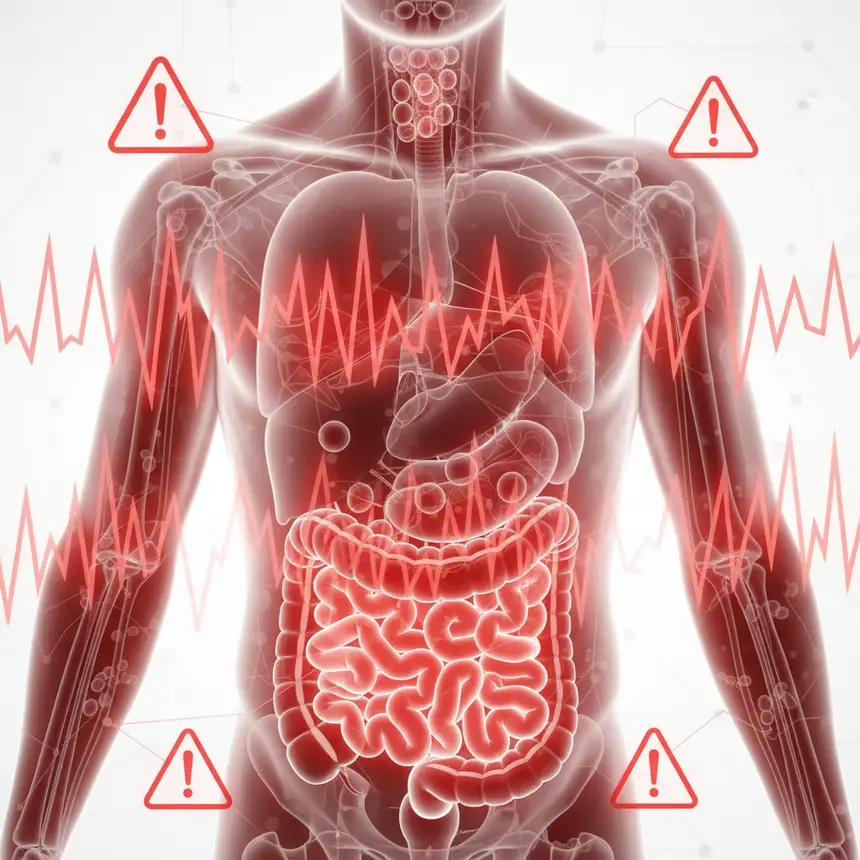
Specific Indicators of a Compromised Immune System
Our immune system is a complex network designed to protect us from external threats. When this defense network falters, it sends out warnings through various physical changes. One of the most common signs of weakened immunity is persistent fatigue. If you experience lethargy for two to three weeks or more, even with adequate rest, it's likely your immune system is out of balance. Furthermore, frequent inflammatory responses around the eyelids, or minor skin injuries taking significantly longer to heal and easily becoming aggravated, are also indicators of a weakened immune response. This suggests a simultaneous decline in skin regeneration and bacterial defense capabilities.
Beyond these, if you frequently develop small blisters around your lips when stressed, catch colds easily, or find that they last for over a week or two once contracted, it’s a red flag. Digestive issues like frequent stomach upset or enteritis could also signal compromised immunity, especially considering that approximately 70% of our immune cells reside in the gut. Even the reactivation of latent viruses from childhood, causing skin rashes and severe pain when immunity plummets, is a telling sign. These signals are vital clues, informing us about the internal challenges our body may be facing.
Beyond these, if you frequently develop small blisters around your lips when stressed, catch colds easily, or find that they last for over a week or two once contracted, it’s a red flag. Digestive issues like frequent stomach upset or enteritis could also signal compromised immunity, especially considering that approximately 70% of our immune cells reside in the gut. Even the reactivation of latent viruses from childhood, causing skin rashes and severe pain when immunity plummets, is a telling sign. These signals are vital clues, informing us about the internal challenges our body may be facing.
※ This post contains affiliate links. I may earn a commission at no extra cost to you.


Practical Daily Habits to Boost Your Immune Health
When faced with signs of weakened immunity, the most fundamental approach is to establish healthy lifestyle habits. First, prioritize getting 7 to 8 hours of quality sleep each night. Melatonin, secreted during sleep, contributes significantly to immune system enhancement, making a consistent sleep schedule crucial. Additionally, drinking 1.5 to 2 liters of lukewarm water daily helps keep respiratory mucous membranes moist, which can prevent viral entry. Second, maintaining an appropriate body temperature is key. Research suggests that a one-degree Celsius (or Fahrenheit equivalent) drop in body temperature can reduce immune function by approximately 30%. Dressing in layers, taking warm foot or half-body baths, and finding effective ways to manage stress are all important for temperature regulation and overall well-being.
Third, balanced nutrition forms the bedrock of strong immunity. Focus on a diet rich in high-quality protein, vitamins, and minerals from whole, unprocessed foods. Ingredients like garlic, mushrooms, and brown rice are known for their beneficial compounds that support immune function. Regularly consuming fermented foods rich in probiotics and dietary fiber is also an excellent strategy for gut health, which is directly linked to robust immunity, given the high concentration of immune cells in the digestive tract. By consistently incorporating these small habits into your daily routine, you can build a stronger, more resilient immune system.
Third, balanced nutrition forms the bedrock of strong immunity. Focus on a diet rich in high-quality protein, vitamins, and minerals from whole, unprocessed foods. Ingredients like garlic, mushrooms, and brown rice are known for their beneficial compounds that support immune function. Regularly consuming fermented foods rich in probiotics and dietary fiber is also an excellent strategy for gut health, which is directly linked to robust immunity, given the high concentration of immune cells in the digestive tract. By consistently incorporating these small habits into your daily routine, you can build a stronger, more resilient immune system.

Listening to Your Body for a Healthier Life
Signs of weakened immunity are crucial warning messages from our bodies. Instead of dismissing potential issues, we should actively listen to these signals and use them as an opportunity to re-evaluate and improve our defense mechanisms through appropriate lifestyle changes. Regular sleep, sufficient hydration, maintaining body temperature, effective stress management, and a balanced diet are fundamental principles for robust immunity. When these efforts are consistently maintained, we can enjoy a more energetic and healthier daily life. Empower your immune system through healthy habits and cultivate the strength to protect yourself from external threats.
Frequently Asked Questions
Q. What are the early signs of a weakened immune system?
A. Early signs of a weakened immune system often include chronic fatigue that persists even after adequate sleep, more frequent colds or minor inflammatory conditions (like eyelid inflammation), and slower wound healing.
Q. How does lack of sleep impact immunity?
A. Sleep is essential for the regeneration and reorganization of immune cells. Insufficient sleep can weaken immune function, reducing resistance to viruses and bacteria, and potentially leading to increased inflammatory responses. Aim for 7-8 hours of quality sleep.
Q. Can specific nutrients help boost immunity?
A. Yes, protein, vitamins (especially C and D), and minerals (like zinc and selenium) are crucial for maintaining immune function. Foods like garlic, mushrooms, and brown rice, along with probiotic-rich fermented foods and dietary fiber, can support gut health and, consequently, boost immunity.
Q. What is the impact of stress on the immune system?
A. Chronic stress can trigger the release of hormones like cortisol, which can suppress the immune system. This can inhibit immune cell activity and increase inflammatory responses, leading to weakened immunity. Effective stress management is therefore very important.
Q. How is body temperature related to immune function?
A. Our immune cells function most efficiently within a specific temperature range. When body temperature drops, the activity of immune cells can slow down, weakening our defense against external invaders. Maintaining an appropriate body temperature is crucial for robust immune health.