Discover practical strategies to relieve eye strain from digital devices. Learn about causes, the 20-20-20 rule, essential nutrients, and healthy habits for optimal eye health in the digital age.

The Modern Plight of Our Eyes
In today's digital world, where screens dominate our daily routines, it's common to experience tired eyes. Many of us are familiar with the sensation of dry, blurry vision by the afternoon, or even accompanying headaches and neck stiffness after hours spent in front of a monitor or smartphone. While it's easy to dismiss these symptoms as mere fatigue, they are often crucial signals from our eyes indicating strain. Persistent eye discomfort, if left unaddressed, can have long-term implications for our overall eye health. Understanding the root causes of eye strain and implementing effective management strategies is key. This article aims to provide practical, information-driven guidance for maintaining eye wellness, free from product endorsements.
Unpacking the Causes of Digital Eye Fatigue
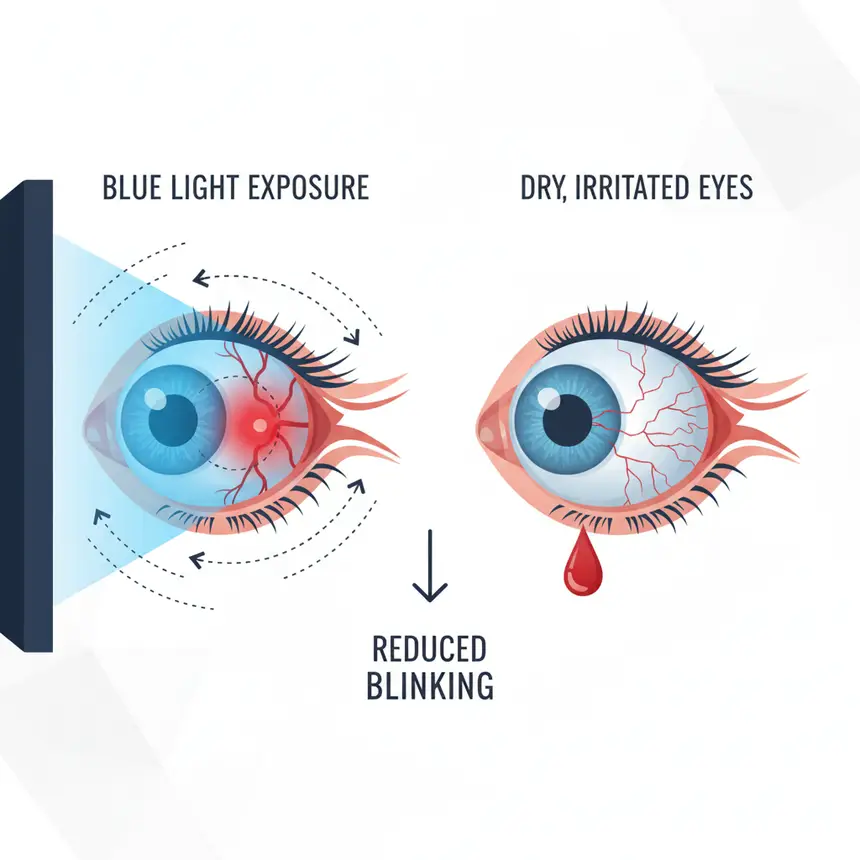
Eye strain, scientifically known as asthenopia, refers to the temporary visual discomfort resulting from the excessive use of our focusing muscles or irritation of the eye surface. Symptoms commonly include dryness, a gritty sensation, pain, blurred vision, light sensitivity, and occasionally double vision. When directly linked to extensive use of digital devices, it's often termed 'Digital Eye Strain.' The main factors contributing to this widespread issue are:
- Prolonged Near-Distance Focus: Constantly staring at digital screens for extended periods keeps the focusing muscles of our eyes in a state of sustained tension, leading to rapid fatigue.
- Reduced Blink Rate: While concentrating on a screen, our average blink rate significantly drops from around 20 blinks per minute to merely 5-6. This reduction disrupts the tear film, causing dryness and exacerbating feelings of fatigue.
- Imbalanced Lighting Environments: Working in spaces that are either too dark or excessively bright, or where there's a stark contrast between the screen's brightness and ambient lighting, can put extra stress on our eyes.
- Exposure to Specific Light Wavelengths: The specific light wavelengths emitted by digital screens can irritate the retina, intensifying eye fatigue over time.
※ This post contains affiliate links. I may earn a commission at no extra cost to you.

Simple, Effective Strategies for Eye Wellness
To alleviate eye strain and preserve healthy vision, integrating small, consistent habits into your daily routine is crucial. Here are some actionable and easy-to-follow methods:
1. Adopt the 20-20-20 Rule: When engaging in screen-based tasks, make it a point to follow this simple guideline. Every 20 minutes, look at something 20 feet (about 6 meters) away for 20 seconds. This brief pause allows your eye muscles to relax and re-balance, effectively reducing strain. Looking out a window or at a distant wall works perfectly.
2. Maintain Optimal Eye Moisture: Keeping your eyes adequately lubricated is fundamental to preventing fatigue. Insufficient tear film makes your eyes more vulnerable to irritation and magnifies discomfort. If dryness occurs, consider using preservative-free artificial tears. Furthermore, maintaining indoor humidity between 40-60% and positioning yourself so that air conditioning or fan drafts don't directly hit your eyes can be highly beneficial.
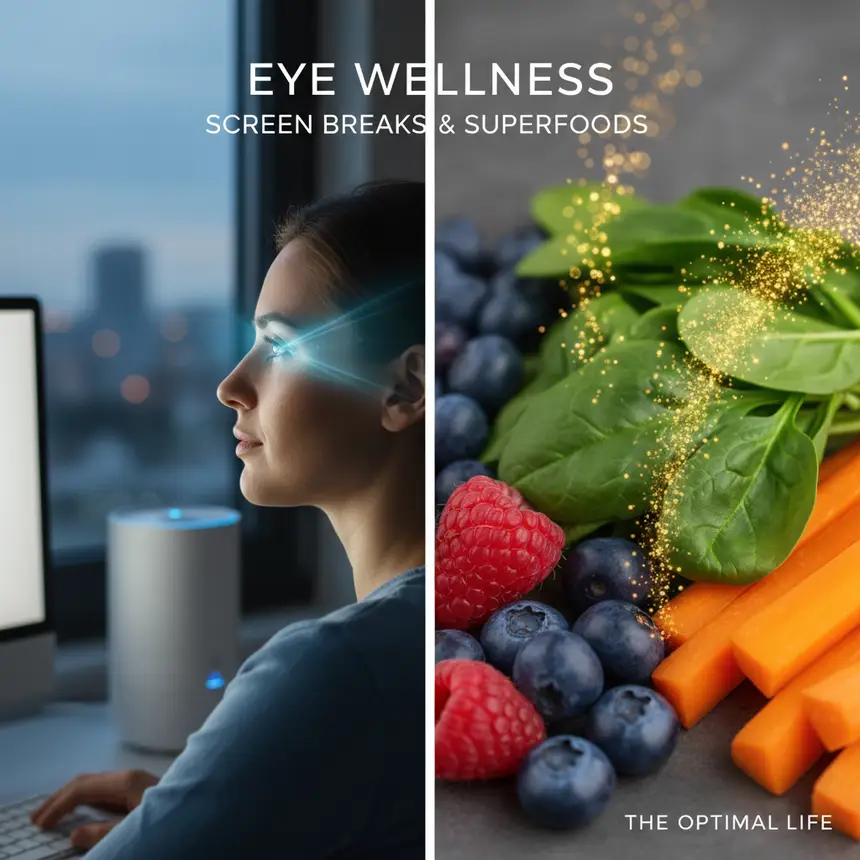
3. Incorporate Eye-Supporting Nutrients: Certain nutrients are vital for maintaining robust eye health. Lutein and zeaxanthin are concentrated in the macula, protecting it from harmful light. Omega-3 fatty acids, along with Vitamins A, C, and E, play roles in modulating inflammatory responses and providing antioxidant protection for overall eye well-being. You can find these nutrients in leafy green vegetables, fatty fish, nuts, and berries.
4. Prioritize Quality Sleep: During sleep, your eyes undergo a crucial period of rest and rejuvenation. Aim for at least 6 hours of quality sleep nightly to allow your eye muscles and optic nerves to recover and repair. Reducing screen time before bed and activating blue light filters on devices can significantly enhance sleep quality, indirectly benefiting your eye health.
1. Adopt the 20-20-20 Rule: When engaging in screen-based tasks, make it a point to follow this simple guideline. Every 20 minutes, look at something 20 feet (about 6 meters) away for 20 seconds. This brief pause allows your eye muscles to relax and re-balance, effectively reducing strain. Looking out a window or at a distant wall works perfectly.
2. Maintain Optimal Eye Moisture: Keeping your eyes adequately lubricated is fundamental to preventing fatigue. Insufficient tear film makes your eyes more vulnerable to irritation and magnifies discomfort. If dryness occurs, consider using preservative-free artificial tears. Furthermore, maintaining indoor humidity between 40-60% and positioning yourself so that air conditioning or fan drafts don't directly hit your eyes can be highly beneficial.
3. Incorporate Eye-Supporting Nutrients: Certain nutrients are vital for maintaining robust eye health. Lutein and zeaxanthin are concentrated in the macula, protecting it from harmful light. Omega-3 fatty acids, along with Vitamins A, C, and E, play roles in modulating inflammatory responses and providing antioxidant protection for overall eye well-being. You can find these nutrients in leafy green vegetables, fatty fish, nuts, and berries.
4. Prioritize Quality Sleep: During sleep, your eyes undergo a crucial period of rest and rejuvenation. Aim for at least 6 hours of quality sleep nightly to allow your eye muscles and optic nerves to recover and repair. Reducing screen time before bed and activating blue light filters on devices can significantly enhance sleep quality, indirectly benefiting your eye health.
Cultivating Long-Term Eye Health
Our eyes often show signs of fatigue subtly, gradually wearing down without immediate alarm bells. Eye strain isn't just a temporary inconvenience; it's a vital indicator that your eyes require attention. While it's impractical to completely disconnect from digital devices in modern society, consistently practicing the simple habits outlined above can significantly lessen the burden on your eyes and enhance their resilience. These efforts will not only relieve current discomfort but will also be instrumental in maintaining clear, comfortable vision throughout your life. Your small acts of care and proactive measures today will form a strong foundation for lifelong eye health.
Frequently Asked Questions
Q. What exactly is digital eye strain, and how does it differ from general eye fatigue?
A. Digital eye strain is a specific type of eye fatigue resulting from prolonged use of digital devices like smartphones and computers. While symptoms are similar to general eye fatigue, its primary causes often include reduced blinking during screen use and exposure to specific light wavelengths from screens.
Q. What can I do to alleviate eye dryness?
A. Eye dryness is a major contributor to eye strain. You can use preservative-free artificial tears to rehydrate the eye surface, maintain indoor humidity levels between 40-60%, and ensure that air conditioner or fan drafts don't directly hit your eyes. Consciously increasing your blink rate periodically also helps.
Q. Which key nutrients are beneficial for eye health?
A. Lutein and zeaxanthin are essential for macular protection, while Omega-3 fatty acids contribute to reducing dryness and inflammation. Vitamin A is crucial for vision, and Vitamins C and E provide strong antioxidant support, protecting eye cells. These can be found in leafy greens, fatty fish, nuts, and berries.
Q. Beyond reducing screen time, how does sleep impact eye fatigue?
A. Adequate sleep is vital for your eye muscles and nerves to rest and recover. Insufficient sleep can worsen dryness, redness, and overall eye fatigue. Aim for 6 or more hours of quality sleep each night, and try to limit screen use before bed to improve sleep quality, which in turn benefits eye health.
Q. When should I consult an eye care professional about persistent eye strain?
A. If your eye strain symptoms persist or worsen despite implementing home care strategies, or if you experience significant vision changes, severe pain, persistent foreign body sensation, or severe light sensitivity that interferes with your daily life, it's advisable to seek professional medical advice. These could be signs of a more serious underlying eye condition.