Seeking information on chronic indigestion and subtle changes in your stomach lining? Discover the causes of gastric lining changes and effective management strategies through healthy diet and lifestyle in this article. Start your journey to better digestive health with practical routines and expert advice to protect your stomach.

Is Your Digestive Discomfort More Than Just Heartburn?
Many of us experience occasional heartburn, bloating, or post-meal discomfort and simply brush it off as common indigestion. However, persistent symptoms could be a subtle sign that your stomach lining is undergoing changes. When the cells lining your stomach gradually transform to resemble those found in your small or large intestine, it can be an unsettling discovery. It's natural to feel overwhelmed and unsure how to manage this condition. Yet, rather than dwelling on fear, understanding your current gastric health and proactively adopting lifestyle adjustments can make a significant difference. Importantly, dietary management stands out as a crucial element in safeguarding your stomach lining health.
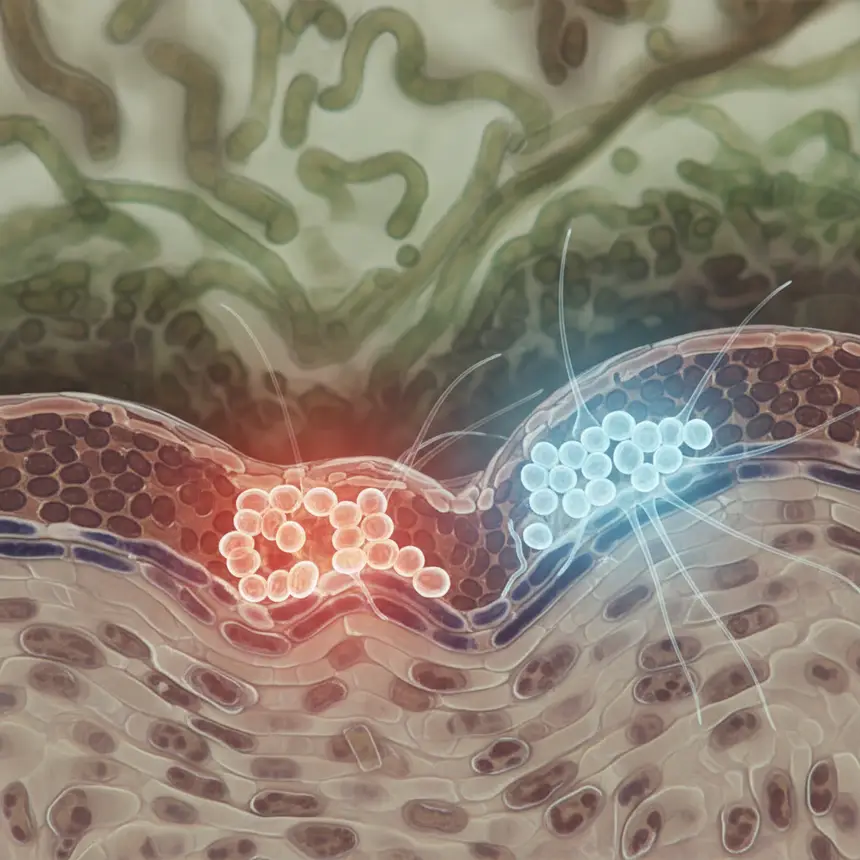
Why Do Gastric Lining Cells Transform?
Unlike typical gastritis, the transformation of gastric lining cells signifies a fundamental alteration in the nature of the stomach's inner cellular structure. This phenomenon typically results from prolonged irritation and cumulative damage to the stomach lining. Key factors contributing to this cellular change include:
- Specific Bacterial Infections: Certain bacteria can induce chronic inflammation in the stomach lining, fostering cellular transformation over time.
- Chronic Atrophic Inflammation: A persistent state where the stomach lining becomes thinned and its functional capacity diminishes.
- Bile Reflux: When digestive fluids flow back into the stomach, causing damage to the delicate lining.
- Unhealthy Eating Habits: Repeated consumption of excessively salty, spicy, or irritating foods, as well as smoked, cured, or charred items, places immense stress on the stomach lining.
- Lifestyle Choices: Long-term smoking and excessive alcohol intake can significantly weaken the protective mechanisms of the gastric lining.
※ This post contains affiliate links. I may earn a commission at no extra cost to you.


Dietary and Lifestyle Strategies for Gastric Well-being
At the heart of managing digestive lining changes and improving chronic indigestion lies your diet and daily habits. The food we consume daily plays as vital a role as any medical intervention. Here are specific strategies for a healthier digestive system:
1. Avoid Irritating Foods: Reduce your intake of spicy, salty, greasy, charred foods, processed items, and those with strong artificial flavors, as these can stress your stomach lining.
2. Prioritize Fresh, Gentle Foods: Focus on fresh vegetables and fruits, lean meats, fish, and easily digestible protein sources like tofu. Opt for steaming or boiling methods to minimize irritation during cooking.
3. Establish Regular Eating Patterns: Eat at consistent times and avoid overeating. Chewing your food slowly and thoroughly can significantly ease the digestive burden.
4. Stay Hydrated: Water is essential for aiding digestion and maintaining the moisture of your stomach lining.
5. Manage Stress and Exercise Moderately: Stress profoundly impacts digestive function. Incorporate stress-reducing activities such as meditation, yoga, or light walks. Regular, gentle exercise boosts overall bodily functions, including digestion.
1. Avoid Irritating Foods: Reduce your intake of spicy, salty, greasy, charred foods, processed items, and those with strong artificial flavors, as these can stress your stomach lining.
2. Prioritize Fresh, Gentle Foods: Focus on fresh vegetables and fruits, lean meats, fish, and easily digestible protein sources like tofu. Opt for steaming or boiling methods to minimize irritation during cooking.
3. Establish Regular Eating Patterns: Eat at consistent times and avoid overeating. Chewing your food slowly and thoroughly can significantly ease the digestive burden.
4. Stay Hydrated: Water is essential for aiding digestion and maintaining the moisture of your stomach lining.
5. Manage Stress and Exercise Moderately: Stress profoundly impacts digestive function. Incorporate stress-reducing activities such as meditation, yoga, or light walks. Regular, gentle exercise boosts overall bodily functions, including digestion.

Daily Routines for a Healthy Stomach Lining
Achieving and maintaining a healthy stomach lining is not a quick fix; it requires consistent and ongoing care. Consider integrating these routines into your daily life:
1. Never Skip Breakfast: This helps awaken your digestive system and provides essential energy to kickstart your day. Warm, gentle options like oatmeal or a soft porridge are excellent choices.
2. Keep a Food Journal: Document which foods cause digestive discomfort and which ones are well-tolerated. This personalized record can guide you in creating an optimal diet plan tailored to your body.
3. Take a 10-Minute Post-Meal Walk: Instead of immediately sitting or lying down after eating, a short, light walk can aid digestion and improve blood circulation.
4. Prioritize Adequate Sleep: Sleep is crucial for bodily repair. Aim for 7-8 hours of quality sleep nightly, as it influences the regeneration of stomach lining cells.
5. Limit or Quit Smoking and Alcohol: These are among the most detrimental habits for your stomach lining. Reducing or eliminating them is highly recommended. These small, consistent efforts lay a strong foundation for long-term digestive health.
1. Never Skip Breakfast: This helps awaken your digestive system and provides essential energy to kickstart your day. Warm, gentle options like oatmeal or a soft porridge are excellent choices.
2. Keep a Food Journal: Document which foods cause digestive discomfort and which ones are well-tolerated. This personalized record can guide you in creating an optimal diet plan tailored to your body.
3. Take a 10-Minute Post-Meal Walk: Instead of immediately sitting or lying down after eating, a short, light walk can aid digestion and improve blood circulation.
4. Prioritize Adequate Sleep: Sleep is crucial for bodily repair. Aim for 7-8 hours of quality sleep nightly, as it influences the regeneration of stomach lining cells.
5. Limit or Quit Smoking and Alcohol: These are among the most detrimental habits for your stomach lining. Reducing or eliminating them is highly recommended. These small, consistent efforts lay a strong foundation for long-term digestive health.

Embracing Positive Change for Your Stomach Health
Changes in your stomach lining shouldn't be a source of vague dread but rather an important signal from your body. By acknowledging this signal and responding proactively, you can steer your stomach health in a positive direction. The dietary and lifestyle adjustments discussed are profoundly beneficial for protecting your stomach lining and restoring its function. This journey is not just about alleviating immediate discomfort; it's a crucial step towards enhancing your overall quality of life in the long run. Embrace this journey with consistent effort and patience. Remember to consult with a healthcare professional for regular check-ups and to develop a personalized management plan. Why not start making small changes today for the sake of your precious digestive system?
Frequently Asked Questions
Q. If diagnosed with gastric lining cell changes, what foods should I avoid?
A. It's generally best to avoid spicy, salty, fatty fried foods, processed items, charred foods, and highly acidic foods, as they can irritate the stomach lining.
Q. How long does it take to see improvements after starting dietary changes?
A. While individual results vary, consistent dietary adjustments and lifestyle improvements can gradually contribute to stomach lining recovery and better digestive function over several weeks to months. Patience and persistence are key.
Q. Are there specific nutrients beneficial for stomach lining health?
A. Nutrients like Vitamins A, C, E, and Zinc can support the protection and regeneration of the stomach lining. These can be found in a variety of vegetables, fruits, and nuts. It's advisable to consult with a professional before taking specific supplements.
Q. Does stress impact stomach lining health?
A. Yes, stress can directly affect the digestive system by increasing stomach acid production or decreasing stomach motility, thereby putting a strain on the stomach lining. Managing stress through meditation, yoga, or regular exercise is important.
Q. What kind of regular check-ups are needed after a diagnosis of gastric lining changes?
A. If gastric lining changes are identified, regular endoscopic examinations are crucial for continuous monitoring of the stomach's condition. The frequency of these check-ups should be determined in consultation with a healthcare professional.