Struggling with chronic shoulder discomfort or stiffness? This blog post explores practical dietary and lifestyle changes to improve shoulder health and boost your overall well-being. From anti-inflammatory foods to gentle exercises, discover how to support your shoulders naturally.

Your Aching Shoulders Are Not Alone: Understanding Modern Strain
In our fast-paced world, many of us contend with shoulder discomfort, a common consequence of prolonged screen time, repetitive tasks, and daily stress. That persistent ache or stiffness can drain your energy and affect your focus, making even simple movements challenging. While immediate fixes might be tempting, the foundation of our body's recovery and resilience often begins with proper nutrition. Choosing the right foods for shoulder health isn't about masking symptoms; it's about addressing root causes from within, paving the way for lasting comfort and a more vibrant daily life. Let's delve into how specific nutrients can support your shoulders, emphasizing that a balanced diet is a powerful first step in managing discomfort and promoting overall well-being.

Unraveling the Mystery: Why Do Our Shoulders Ache?
Shoulder discomfort can stem from a complex interplay of factors. Poor posture maintained over long periods, repetitive motions common in certain professions, or weakened surrounding muscles due to lack of physical activity can all contribute. Stress also plays a significant role by inducing muscle tension, while an unbalanced lifestyle can fuel chronic inflammatory responses that burden shoulder joints and their surrounding tissues. This inflammation can cause pain and hinder recovery. Furthermore, a deficit in essential nutrients can compromise the health of cartilage and ligaments, impeding blood circulation and thus restricting the supply of oxygen and nutrients vital for shoulder repair. Understanding these multifaceted causes is key to harnessing nutrition to manage inflammation and support tissue regeneration.
※ This post contains affiliate links. I may earn a commission at no extra cost to you.

Smart Choices for Shoulder Well-being: Diet, Movement, and Key Nutrients
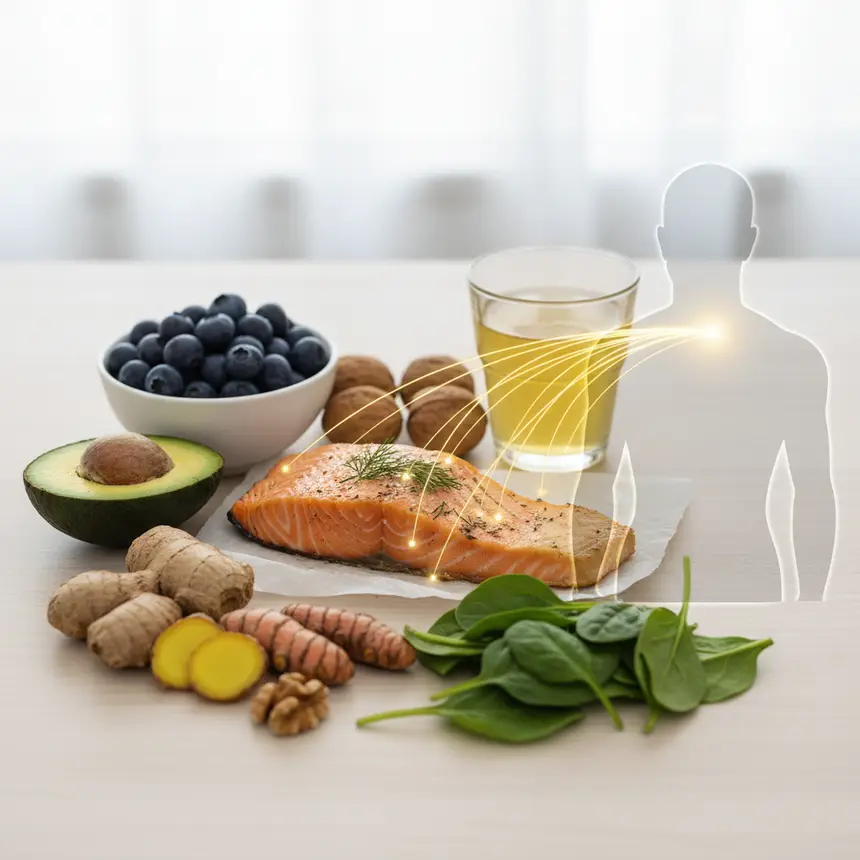
One of the most impactful strategies for maintaining shoulder health is through mindful nutrition. Foods rich in anti-inflammatory compounds are particularly beneficial for reducing joint inflammation. Think fatty fish like salmon and mackerel, which are packed with Omega-3s, alongside nuts, seeds, and colorful berries. These offer powerful anti-inflammatory support. Additionally, Vitamin C, found abundantly in citrus fruits, bell peppers, and broccoli, is crucial for collagen synthesis, a key component of connective tissues. Quality protein sources like lean chicken, legumes, and eggs are essential for muscle repair and strength, which stabilize the shoulder joint. Beyond these, minerals like calcium and magnesium, along with Vitamin D, are vital not just for bone density but also for optimal muscle function. Complement your diet with regular, gentle stretches like shoulder rolls or arm circles, and consider light resistance exercises to enhance flexibility and strengthen the muscles supporting your shoulders.

Your Daily Shoulder Health Routine: Consistency is the Key!
Transforming your shoulder health begins with small, consistent habits. Start your day by adding a sprinkle of omega-3-rich flax or chia seeds to your yogurt, or grab a handful of mixed nuts as a morning snack. For lunch and dinner, prioritize lean protein sources such as grilled chicken or tofu, complemented by a generous portion of fresh vegetables like spinach and kale, which are bursting with vitamins and minerals. Incorporate about 30 minutes of light physical activity, like a brisk walk or simple stretches, to improve blood flow and ease tension around your shoulders. If you work at a desk, make it a point to stand up and perform gentle shoulder rotations or clasp your hands behind your back for a stretch every hour. Pay attention to your posture: sit upright with your back supported and adjust your computer monitor to eye level. These consistent practices will not only benefit your shoulder health but also contribute significantly to your overall well-being.

Reclaim Your Active Life: Your Journey to Healthier Shoulders Starts Now!
Shoulder health is more than just the absence of pain; it's a cornerstone of your daily energy and overall quality of life. The dietary insights and lifestyle adjustments we've explored today won't offer an instant, magical fix, but consistent and diligent effort will undoubtedly lead to positive changes. Each small habit you adopt will build upon the last, progressively fostering stronger, more comfortable shoulders, and ultimately, a more vibrant and active you. Don't wait to start investing in your well-being. Begin making healthy choices for your shoulders today, and embrace the freedom and joy that come with greater mobility and less discomfort. Your body is incredibly responsive to the care you provide. Embark on this journey for your shoulders, and build a happier, healthier future.
Frequently Asked Questions
Q. What are the most vital nutrients for optimal shoulder health?
A. Key nutrients for shoulder health include Omega-3 fatty acids for their anti-inflammatory properties, Vitamin C for collagen production, and protein, calcium, magnesium, and Vitamin D for muscle and bone strength.
Q. Are there specific foods I should avoid to help reduce shoulder discomfort?
A. To minimize inflammation, it's generally advisable to limit foods high in sugar, highly processed items, and those containing trans fats, as they can exacerbate inflammatory responses in the body.
Q. What are some easy shoulder stretches for beginners to incorporate into their routine?
A. Simple stretches like shoulder rolls, gentle neck tilts from side to side, clasping hands behind your back and raising arms, and leaning against a wall to stretch your arm are all great for beginners to improve shoulder flexibility.
Q. Can nutritional supplements genuinely support shoulder health?
A. Prioritizing a balanced diet for nutrient intake is primary. However, if dietary intake is insufficient, supplements like Omega-3s, Vitamin D, or collagen may offer additional support for shoulder health. It's always best to consult with a healthcare professional before starting any supplement regimen.
Q. How can I structure my daily meals to promote better shoulder well-being?
A. For shoulder health, aim for a breakfast with yogurt, nuts, and fruits; a lunch featuring lean protein (chicken/fish) and a large, colorful salad; and a dinner that includes whole grains, fatty fish, or legumes. Healthy snacks like fresh fruit or a small handful of nuts are also recommended.